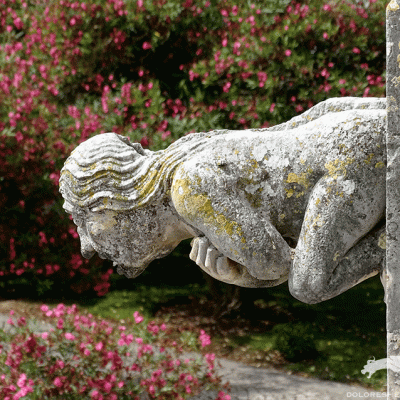
Today we shall explore a subject that differs from our usual approach. Rather than examining typologies, characteristics, or symbolism, this entry is devoted exclusively to the maker, the creator—in short, the artist.
The gargoyle sculptor.
-
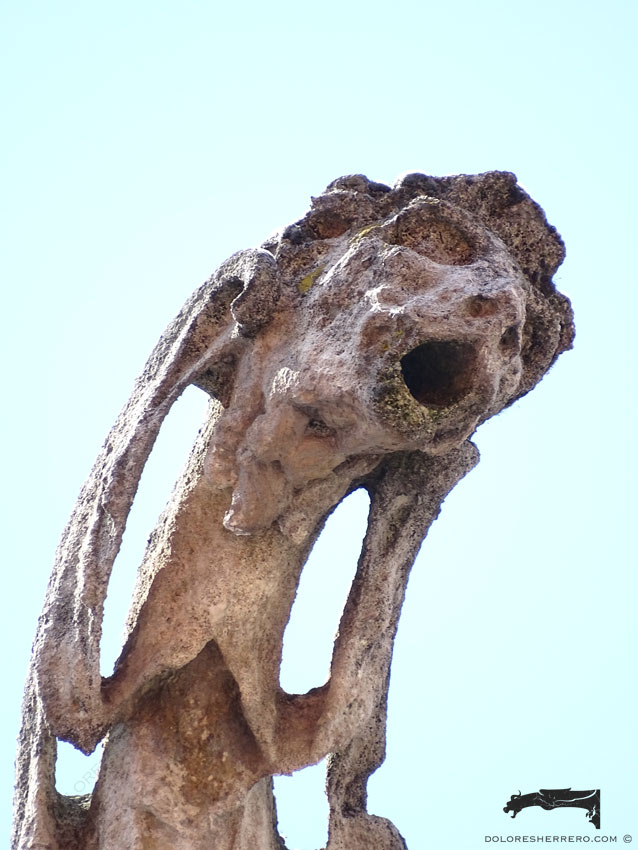
- Burgos Cathedral (Spain)
-
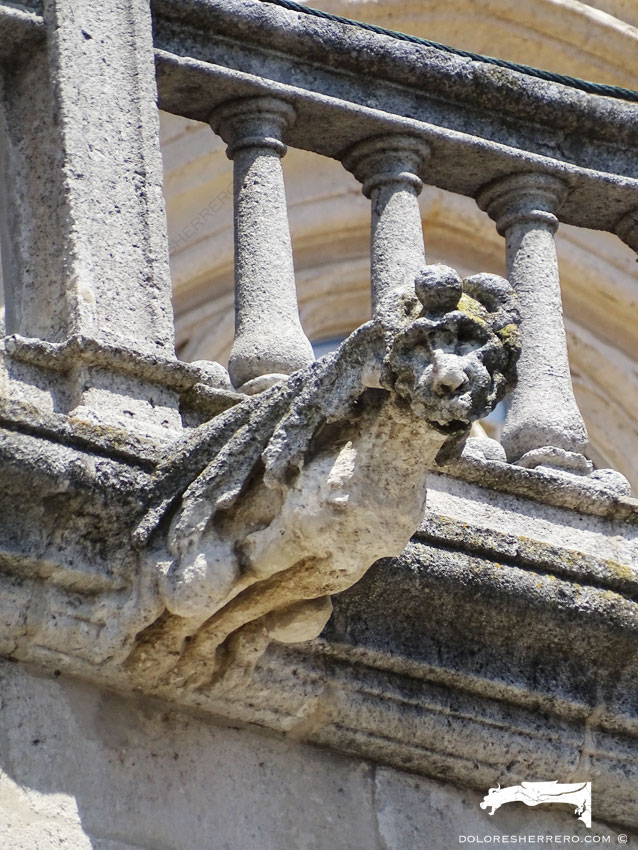
- Burgos Cathedral (Spain)
The Gargoyle Sculptor and the Creative Process
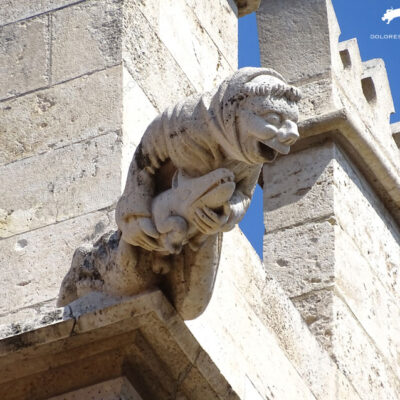
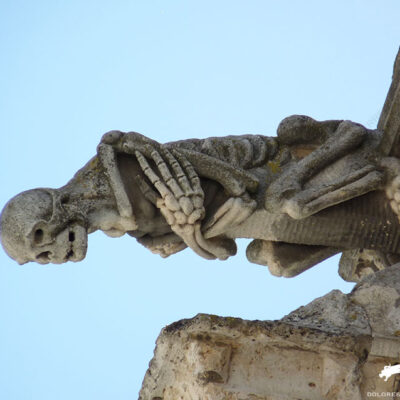
Although we already know that gargoyle imagery was shaped by the social, moral, and cultural values of its time, these figures—populated by every conceivable type of creature, rich in fascinating detail and extraordinary imagination—can only reflect a state of mind characterised by remarkable creative freedom and even artistic boldness on the part of the sculptor.
We do not know with certainty the precise criteria followed by medieval gargoyle sculptors when creating these figures. Various scholars have put forward different theories on the subject. Rebold Benton, for example, suggests that sculptors may have used gargoyles as a means of signing and personalising their work, since these sculptures offered an opportunity to create something profoundly individual, beyond the conventions of medieval art and the anonymity imposed by the medieval guild system.
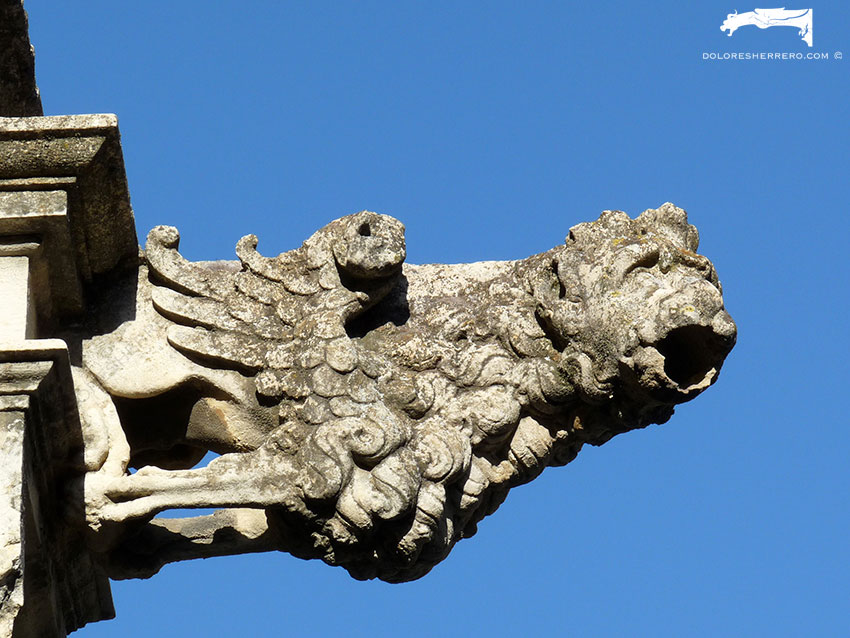
Within medieval monumental sculpture, a period during which sculptors began to distinguish themselves and develop a growing awareness of their profession—and when representations of sculptors working with their tools first began to appear—the sculptor's craft, although possessing its own identity, remained inseparably linked to architectural production. In the case of gargoyles, however, we may reasonably regard them as a clear expression of artistic self-determination or creative autonomy, reflected in the extraordinary imaginative freedom that gave rise to remarkable and virtually limitless creations.
Although it cannot be asserted that gargoyle sculptors followed an iconographic programme as strict as those governing other parts of a cathedral, these sculptures nevertheless appear to form a carefully conceived ensemble executed by master masons, architects, and sculptors whose crafts were closely interconnected. Their aim seems to have been not only to achieve architectural harmony but perhaps also to convey meanings and significance extending beyond purely aesthetic or formal concerns.
What does seem evident is that, despite the commissions and constraints imposed upon medieval sculptors, gargoyles represent a remarkable outpouring of the artist's imagination, even when the general subject matter may have been predetermined. This explains the extraordinary diversity and originality of these sculptures, with their almost limitless combinations of forms. They constitute a genuine explosion of fantasy and creative freedom that has endured throughout the centuries.
-
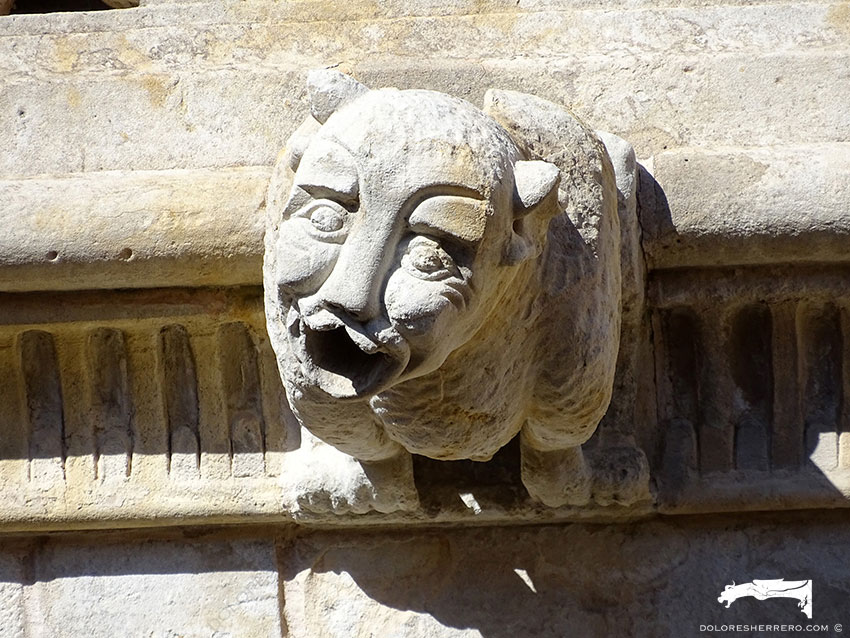
- Casa de las Conchas (Salamanca, Spain)
-
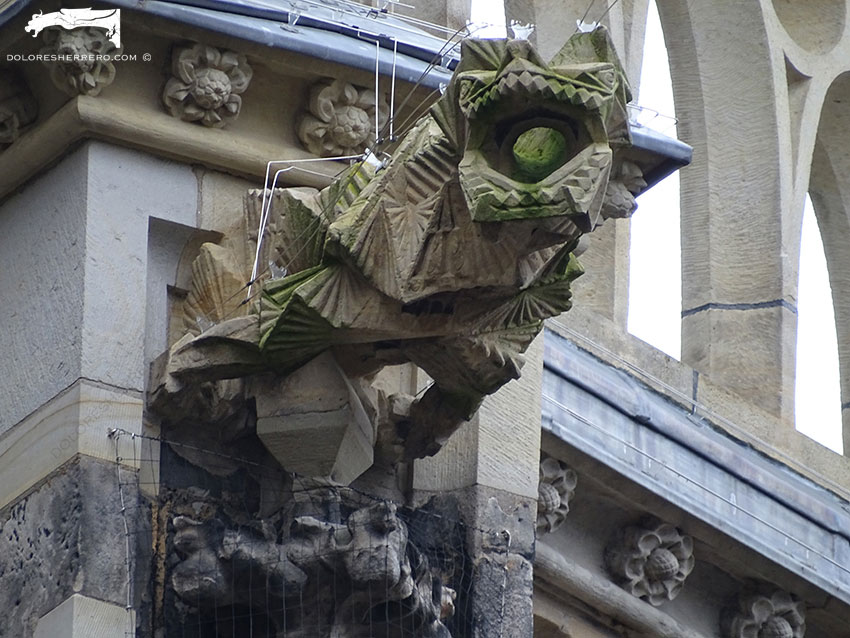
- Aachen Cathedral (Germany)
-
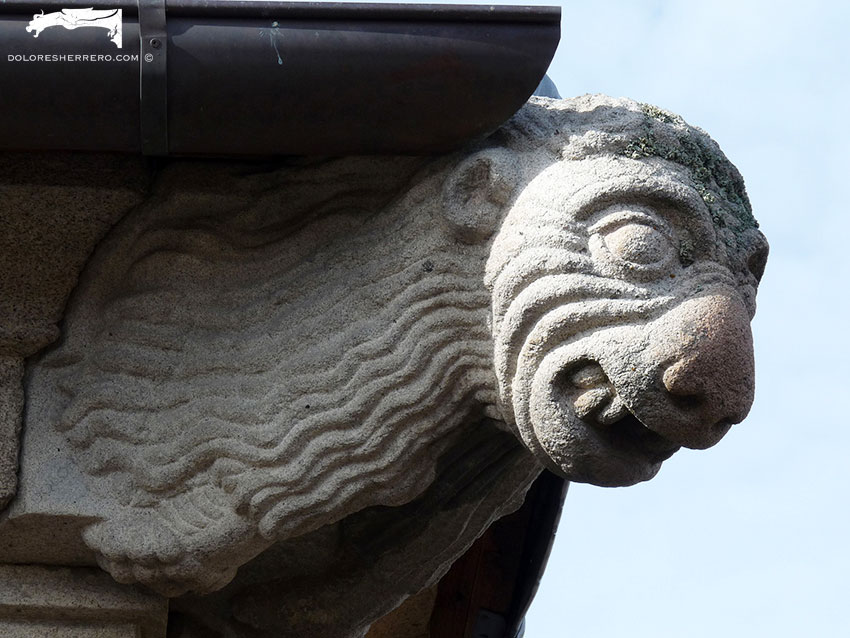
- Ávila Cathedral (Spain)
-
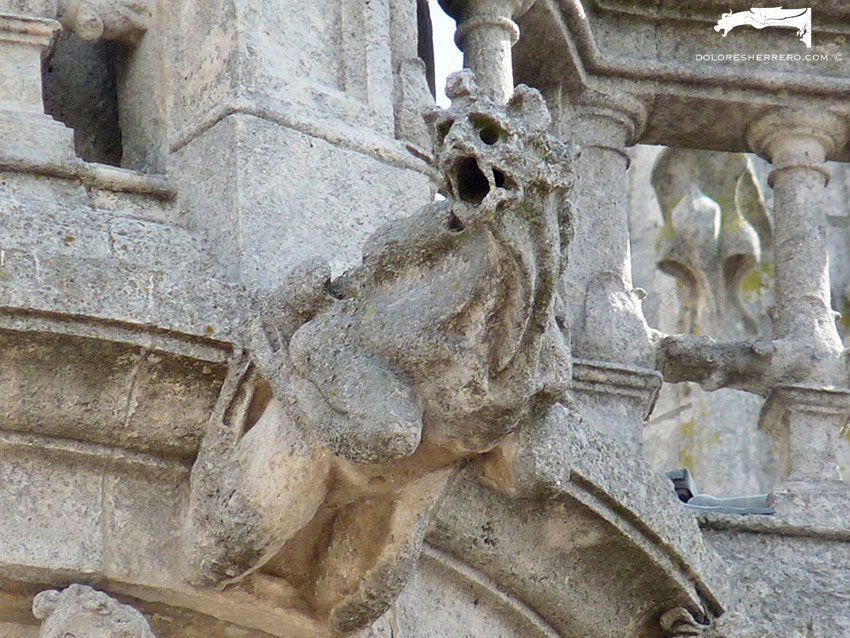
- Burgos Cathedral (Spain)
With regard to those gargoyles that cannot be observed closely by passers-by, John Ruskin (1819–1900), in his discussion of the visibility of sculptural ornament in architecture, states that “if the animal form of a gargoyle placed near the eye appears incomplete, it will possess an abstract quality with suggestive and symbolic forms. But if the figure represents a complete animal, it is placed much farther from view and carved in fine material, allowing it to attain the highest possible degree of perfection”. According to Ruskin, this principle confers nobility upon architectural works.
The same author further observes that “whenever, in the construction of a building, parts which continue an ornamental composition become hidden from view, the ornament should not cease in those concealed areas. Their existence is assumed and should not be deceptively suppressed. […] If an ornamental scheme is to be seen both from near and from afar, take care that its execution is as bold and vigorous where it is immediately visible as where it recedes into the distance, so that the spectator may appreciate both what it is and what it is worth. […] Sculpture does not consist in carving a form into stone, but in carving the effect”.
These final words express, with remarkable clarity, the very essence of the gargoyle.
-
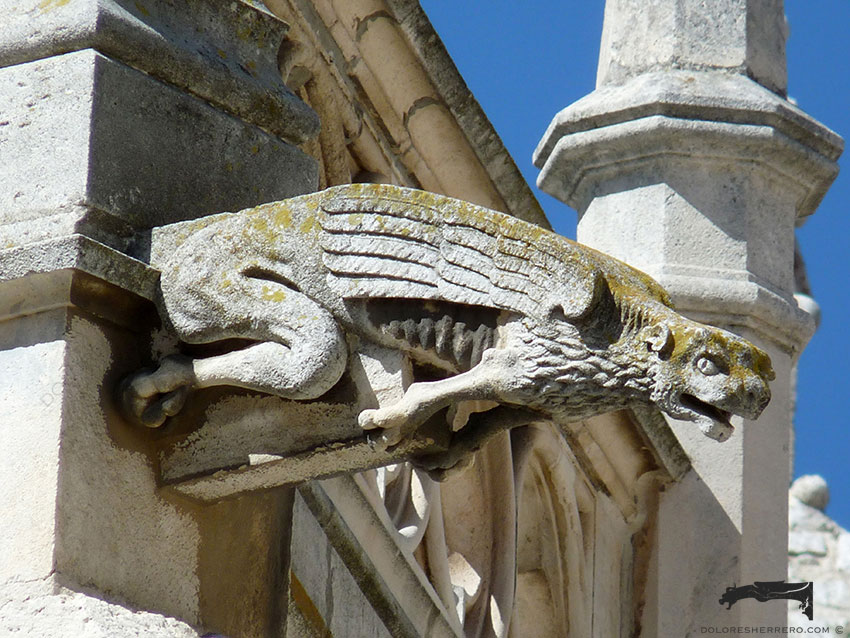
- Palencia Cathedral (Spain)
-
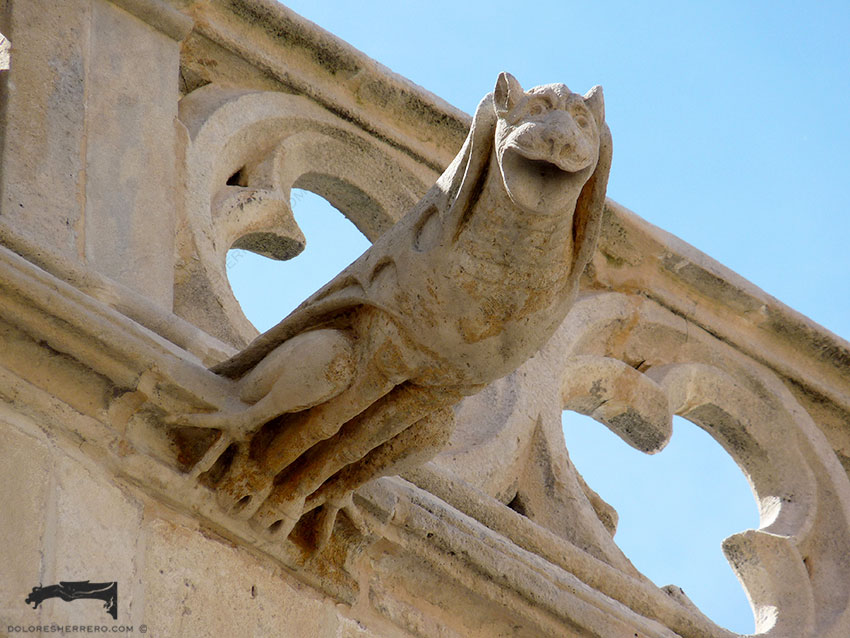
- Burgos Cathedral (Spain)
-
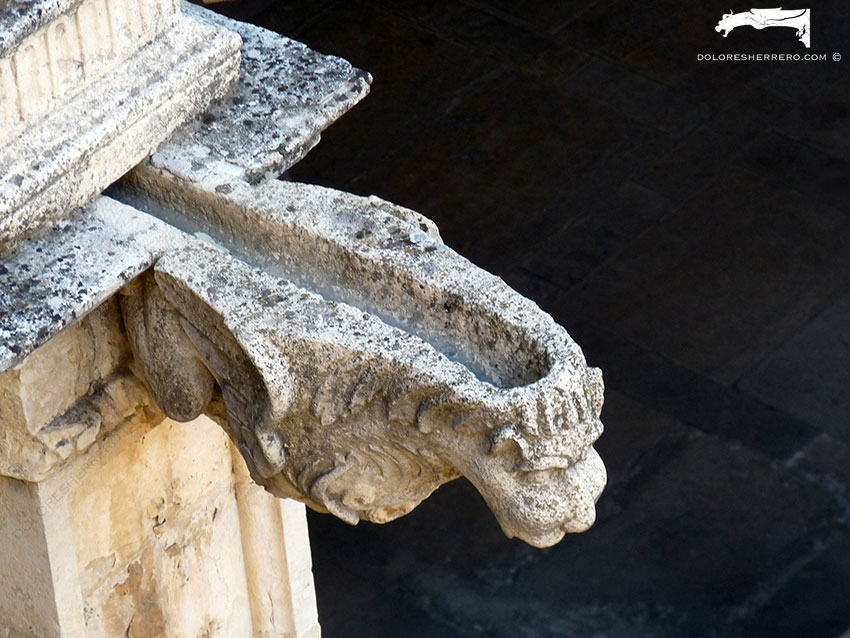
- León Cathedral (Spain)
-
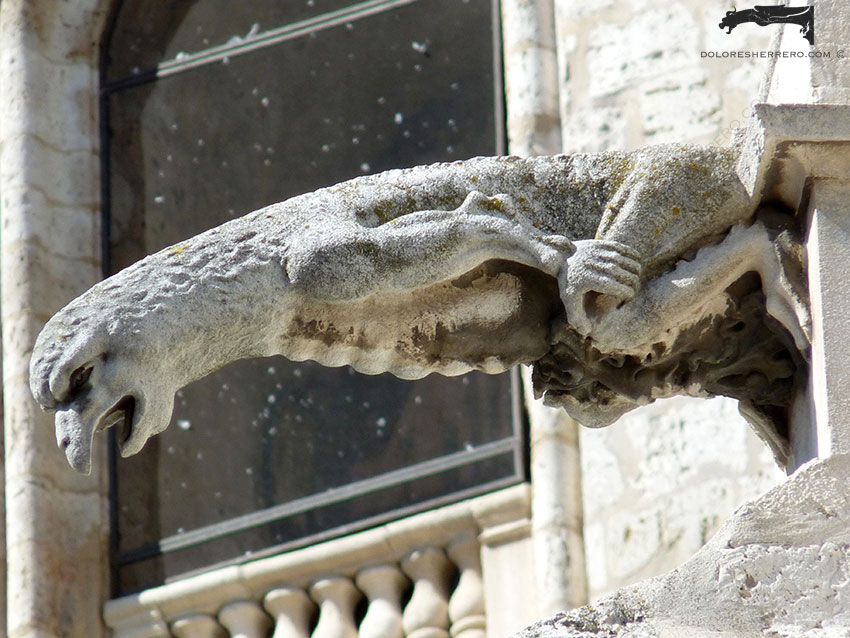
- Palencia Cathedral (Spain)
As for the sculptor's working methods, several theories have been proposed. True Gasch, for example, suggests that gargoyles may have been carved in situ, directly onto blocks that had already been incorporated into the walls. Williamson, on the other hand, argues that, since no working drawings executed by Gothic sculptors have survived, it is most likely that much of the monumental sculpture was carved directly onto previously marked stone.
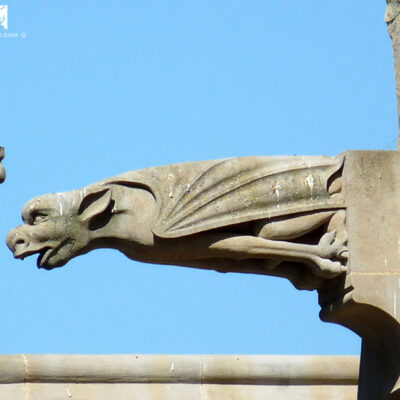
Having been able to examine gargoyles at close range and observe details imperceptible from ground level has enabled us to identify one particularly significant aspect: the extraordinary precision and refinement with which both real and fantastic animals were carved, often displaying remarkably accurate anatomical features. This observation suggests the possibility that sculptors consulted bestiaries and literary works when depicting fabulous and mythological creatures, as well as zoological treatises for the anatomical representation of animals. Zoology formed part of the great medieval encyclopaedias, which also included human anatomy and botany. All this may indicate that gargoyle sculptors were familiar with such books and manuals.
The sculptors almost certainly employed preliminary drawings before carving their figures, as documented in sources such as the Album of Villard de Honnecourt (thirteenth century). At first glance, one might assume that these drawings or sketches were produced by the sculptors themselves. However, it is equally possible that they received designs prepared by other artists or draughtsmen working within the same workshop—or even in different workshops. Such collaboration probably extended to sculptural models as well. Sculptors could either follow these preliminary drawings faithfully—whether their own or those of others—or use them merely as an initial guide, introducing modifications that reflected their own artistic personality and imagination.
-
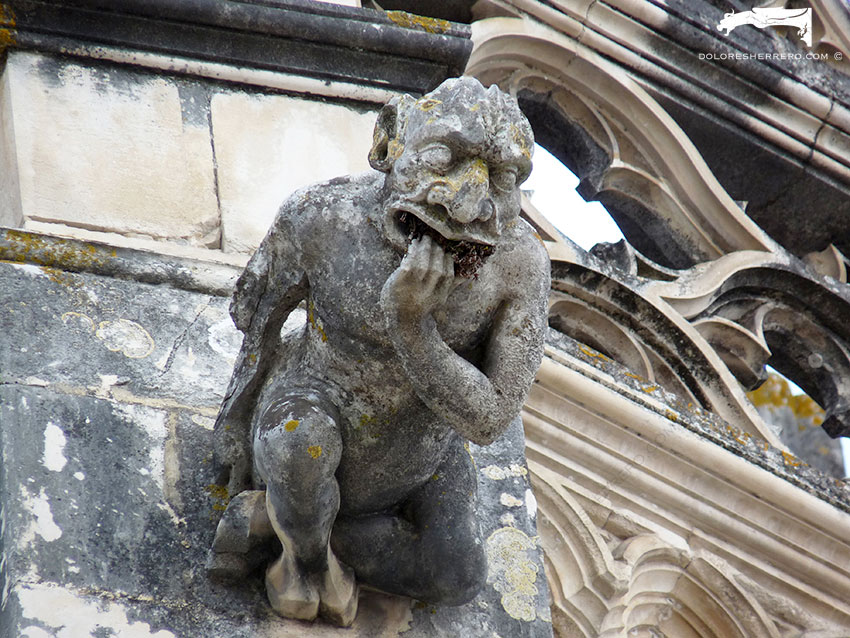
- Batalha Monastery (Portugal)
-
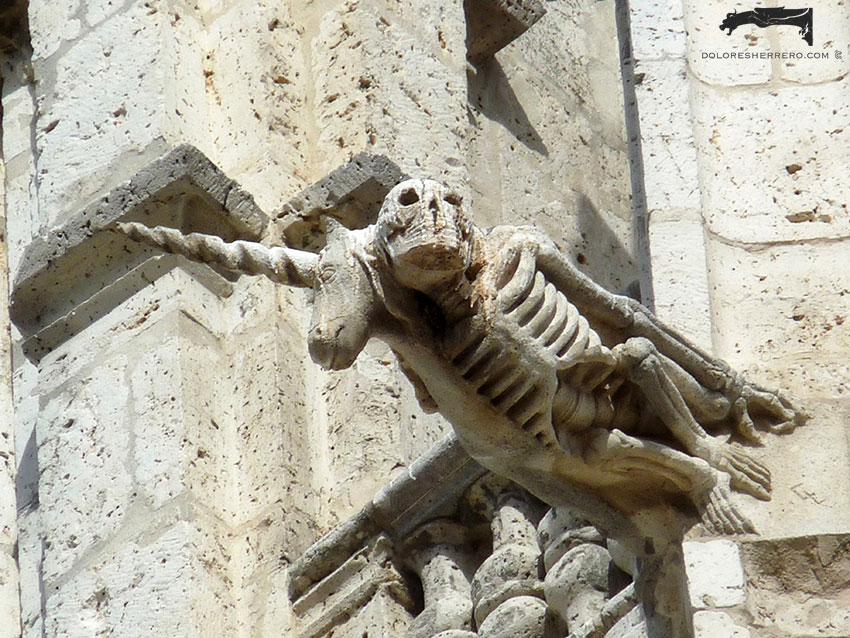
- Palencia Cathedral (Spain)
-
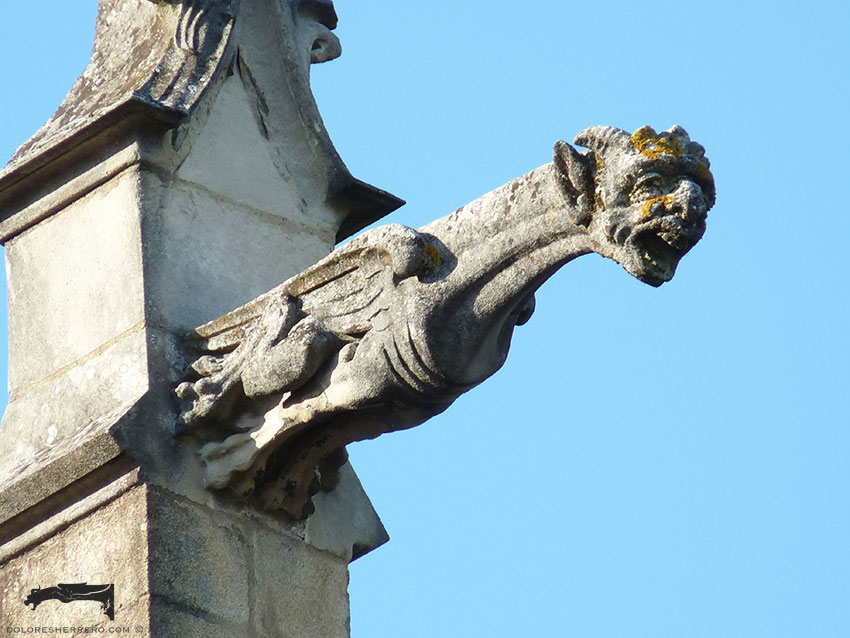
- Limoges Cathedral (France)
-
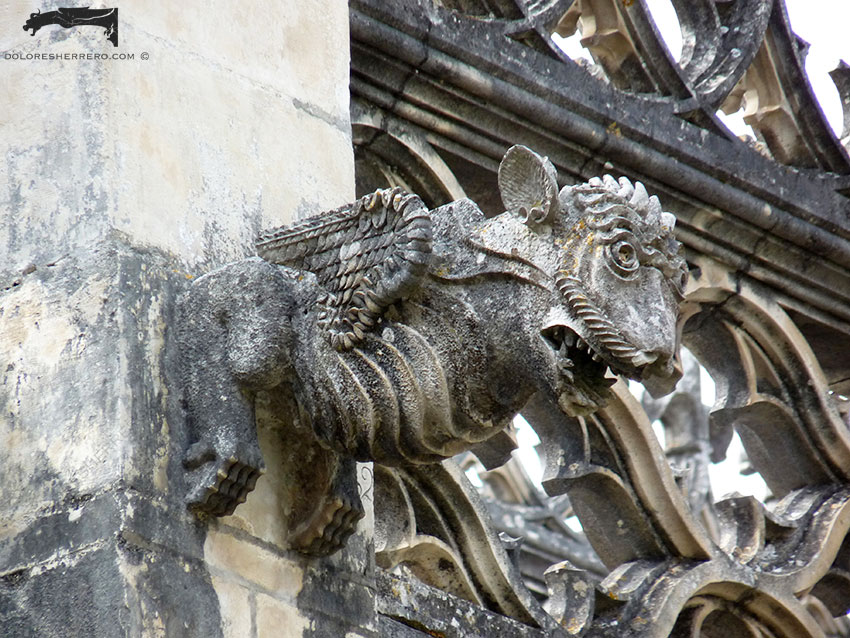
- Batalha Monastery (Portugal)
The Sculptor's Creativity in Gargoyles
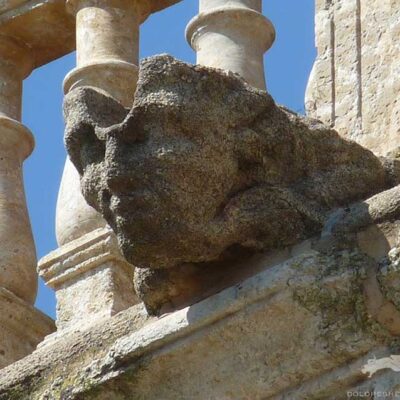
The observation of gargoyles allows us to recognise that stone speaks. Through form, texture, weathering, style, and the very configuration of the figures, it reveals an era with its artistic practices, its mentality, and its particular ways of understanding and experiencing the world.
Before concluding, we wish once again to emphasise that the gargoyle constitutes an outstanding expression of the artist's creative freedom and imagination. The endless combination of forms and creatures suggests a genuine creative release on the part of the sculptor—an extraordinary and enviable freedom to carve into stone an almost limitless universe of possibilities and fantasies.
-
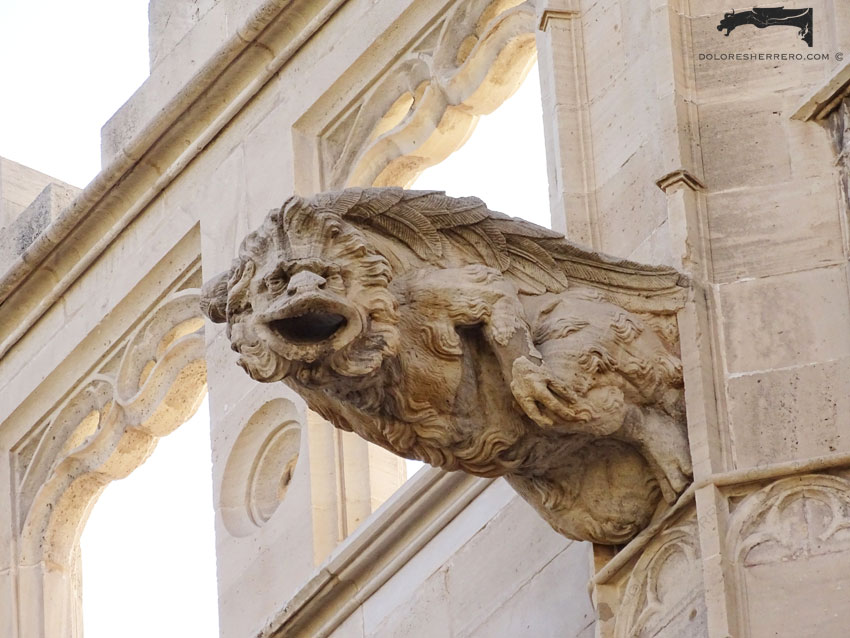
- Palma de Mallorca Lonja (Spain)
-
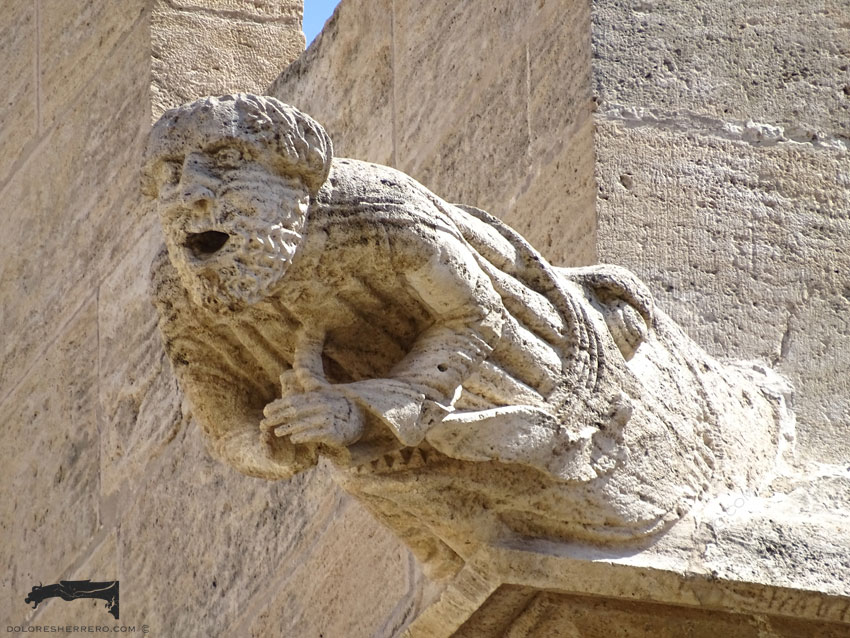
- Valencia Lonja (Spain)
Bibliography
REBOLD BENTON, J., “Gargoyles: Animal Imagery and Artistic Individuality in Medieval Art”, Animals in the Middle Age. A Book of Essays, 1996, pp. 147-165.
RUSKIN, J., Las siete lámparas de la arquitectura, Barcelona, Editorial Alta Fulla, 1997.
TRUE GASCH, W., Guide to Gargoyles and Other Grotesques, Washington, Washington National Cathedral, 2003.
VILLARD DE HONNECOURT, Album de Villard d´Honnecourt, architecte du XIIIe siècle: manuscript publié en fac-simile par J. B. A. Lassus/ouvrage mis au jour par A. Darcel, París, Léonce Laget, 1968.
WILLIAMSON, P., Escultura Gótica. 1140-1300, Madrid, Ediciones Cátedra, S. A., 1997.
This entry was originally published in November 2019 and updated in July 2026.
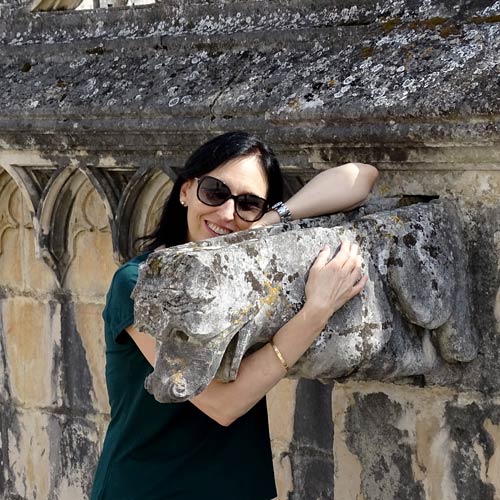
Doctor of Art History and researcher specializing in the study of gargoyles.
I am Dolores Herrero Ferrio, and my thesis, “An Approach to the Study of Gargoyles of Gothic Cathedrals in Castilla and León”, is dedicated to the study of these fascinating figures.
If you like gargoyles and art history, you will also enjoy my book, “The Gargoyle and Its Iconography,” a book I have written with great care for those interested in the world of gargoyles.
I have created my own Encyclopedia of Gargoyles, a Gargopedia to share with you, where you will discover all the secrets and wonders of these enigmatic sculptures.
I hope you enjoy this Gargopedia as much as I have enjoyed creating it, and remember that each gargoyle has a story to tell, and here you will discover them all.