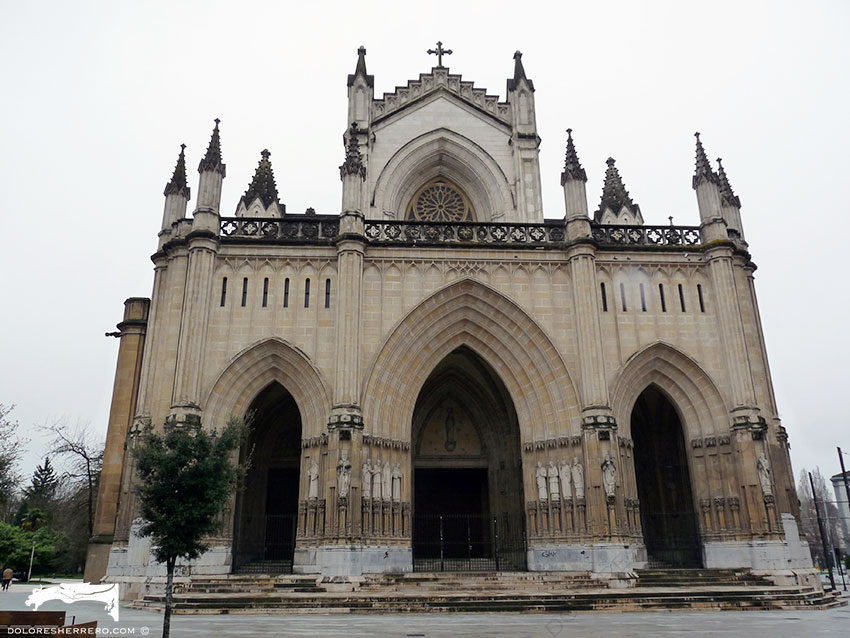
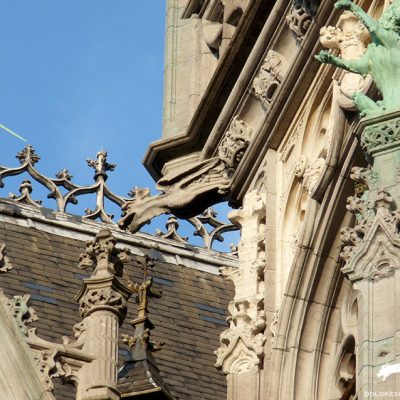
Today’s journey takes us to Vitoria-Gasteiz, the capital of the Basque Country, where the Cathedral of María Inmaculada is located, a true delight for lovers of gargoyles.
We have decided to divide this study into two entries because, although we initially intended to present only a representative selection, we believe that this remarkable ensemble of fascinating beings and creatures surrounding the building deserves fuller attention.
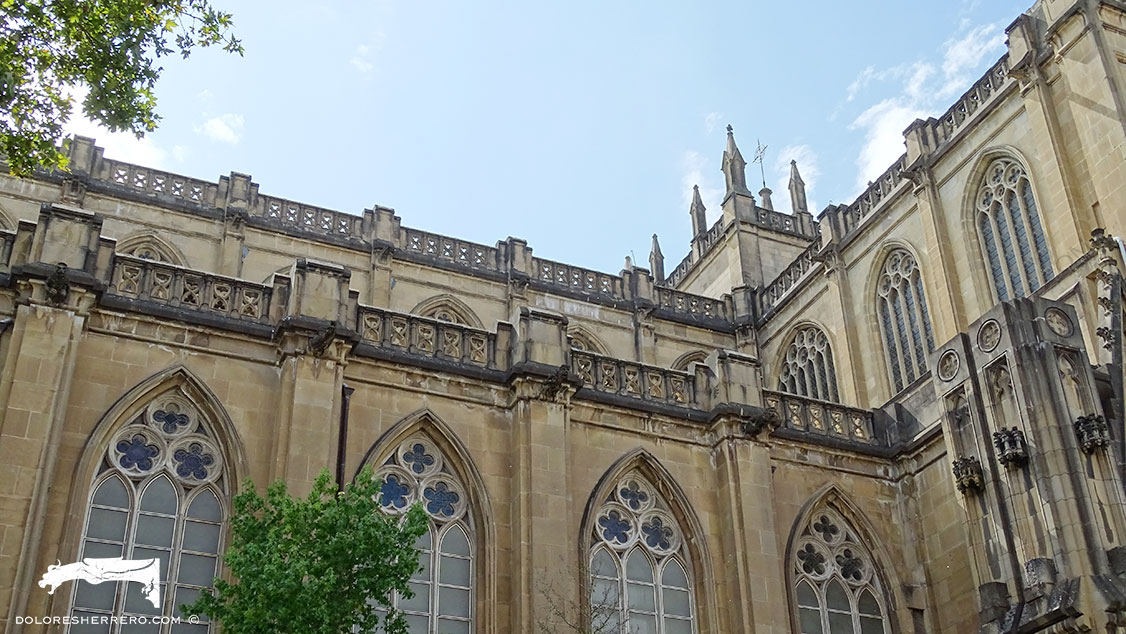
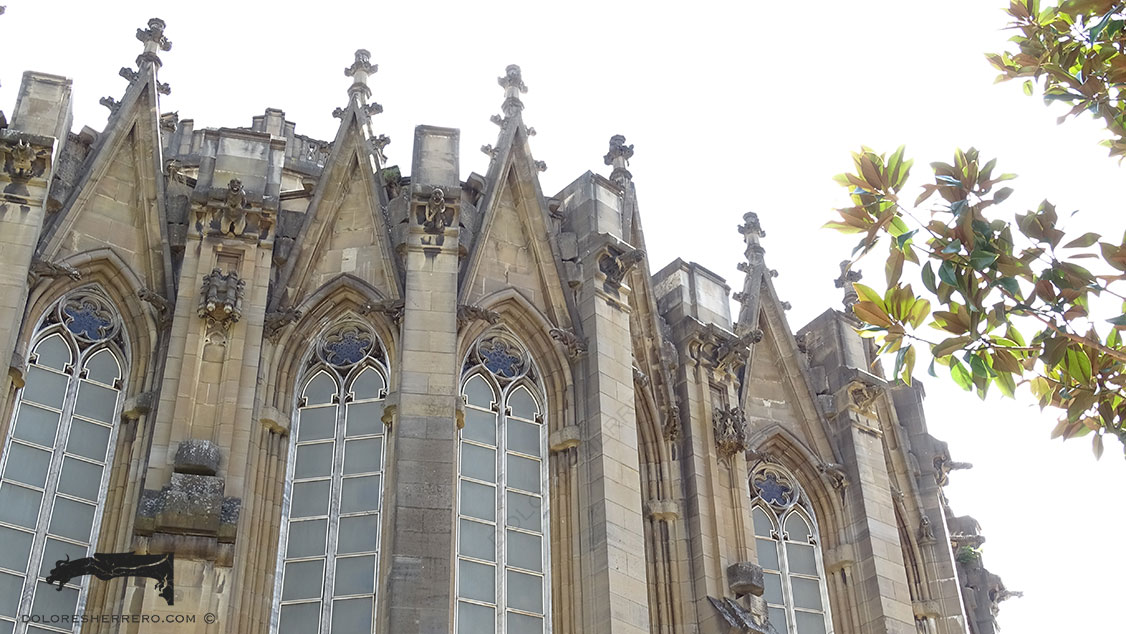
The cathedral was built in the Neo-Gothic style between 1907 and 1969 and is known as the New Cathedral in order to distinguish it from the Gothic Cathedral of Santa María (the Old Cathedral).
Historical Context and Execution of the Gargoyles
First, we would like to express our gratitude for the information and collaboration provided by two individuals who were fundamental to the study of the cathedral’s gargoyles: José Ramón Martínez de Muguía, a scholar of the cathedral and its gargoyles, and Iñaki Apraiz Buesa, son of Miguel Apraiz Barreiro, the architect in charge of the works and designer of the gargoyles. After the Spanish Civil War, he directed the works from 1946 onwards and developed new projects until their completion. Thanks to both, we have access to highly valuable information.
The execution of the gargoyles was divided into two phases: the first, from 1907 to 1913, and the second extending until 1969. The gargoyles were carved in sandstone from Pitillas (Navarre). Those on the northern and southern sides were executed by Aurelio Rivas between 1964 and 1965. Aurelio Rivas (d. 2020) was a professor of sculpture at the School of Arts and Crafts.
Before presenting this gallery of figures, we include two particularly significant photographs. In the first (image on the left), Aurelio Rivas is shown carving one of the gargoyles, illustrating two stages of his work: the use of the plaster model and the carving process carried out on the basis of Miguel Apraiz’s paper design. In the second (image on the right), several plaster models of some of the gargoyles can be seen, preserved in a basement of the cathedral.
-
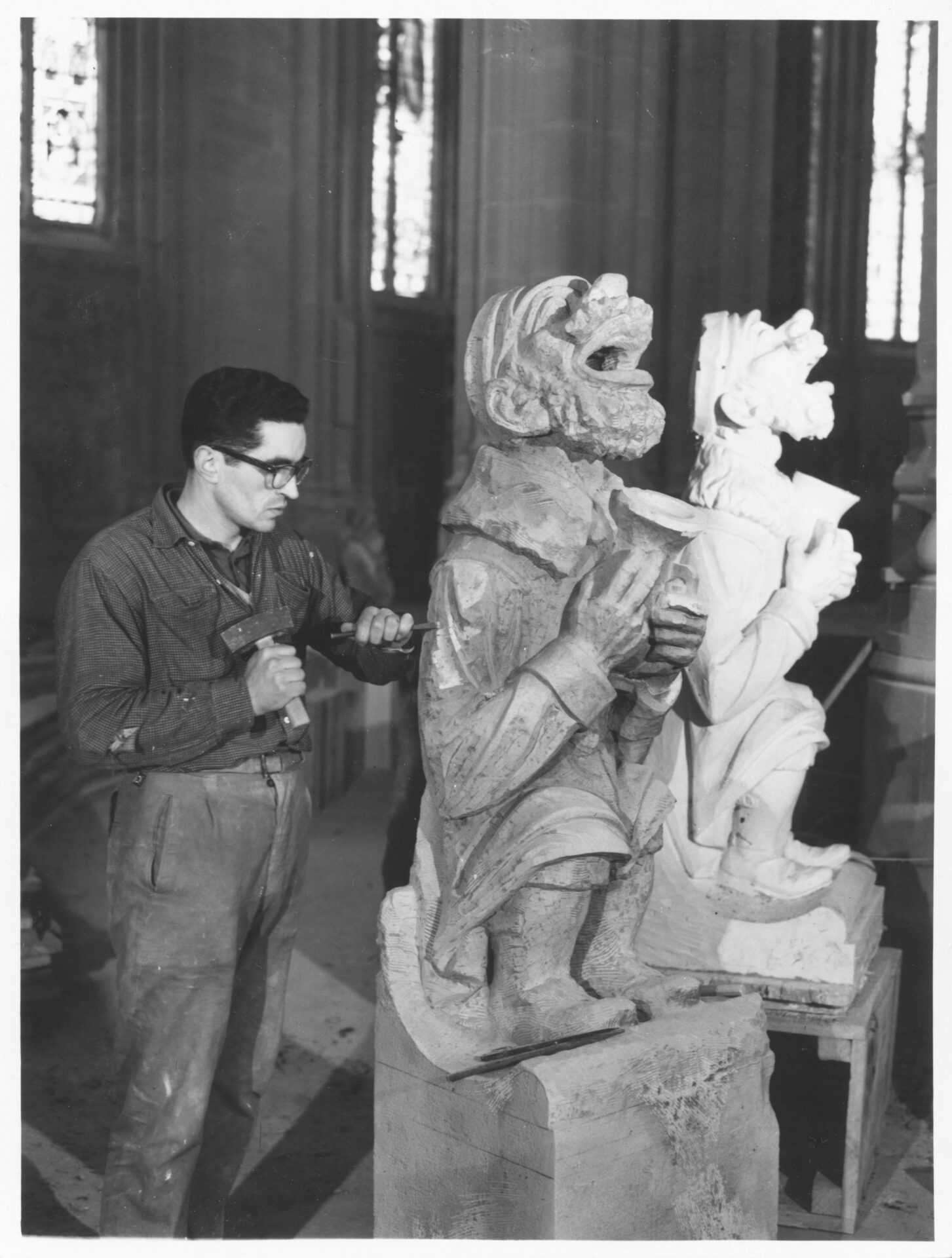
- Aurelio Rivas carving the water bearer. Photography: J. R. Martínez de Muguía
-
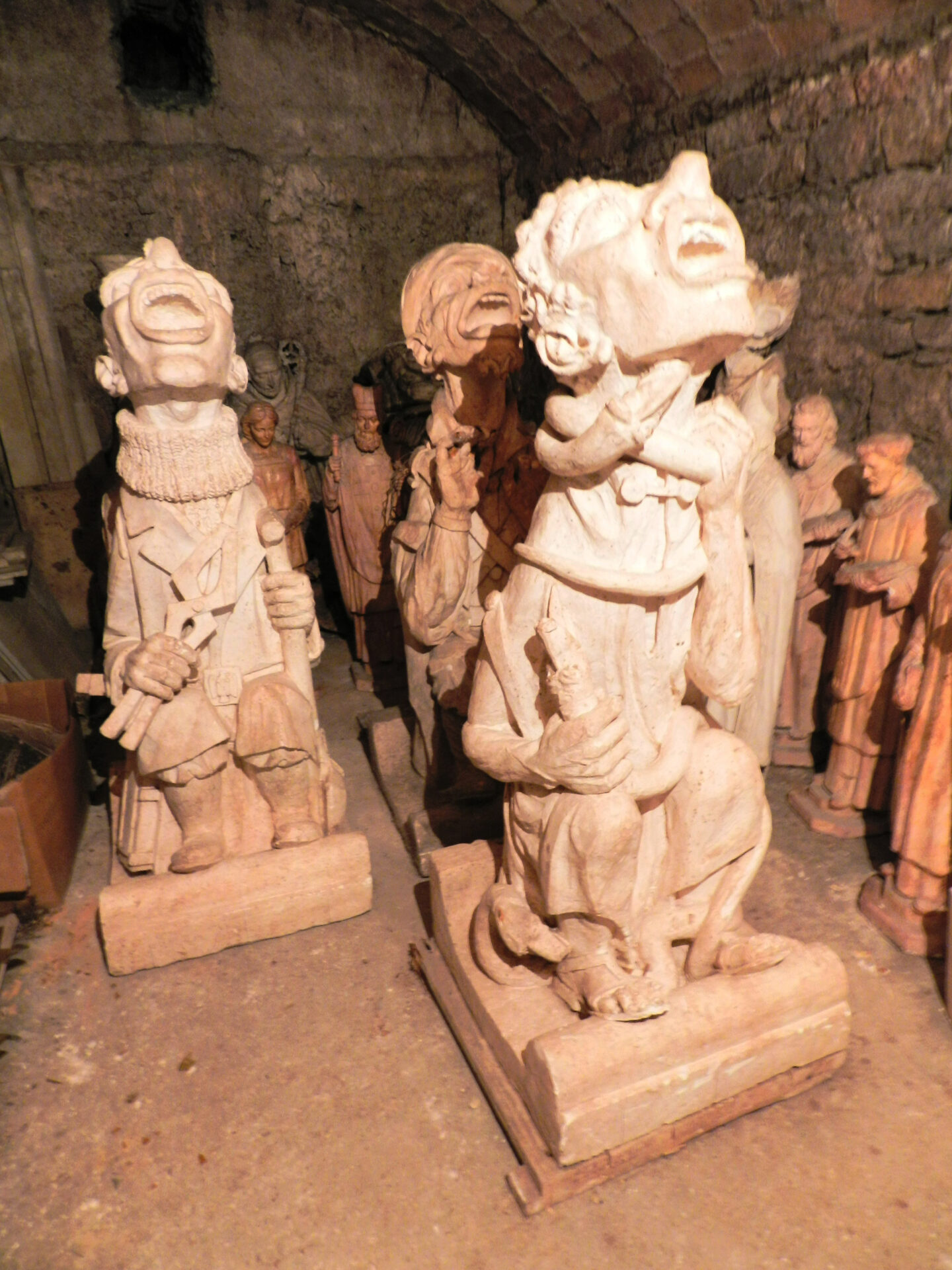
- Plaster models. Photography: J. R. Martínez de Muguía
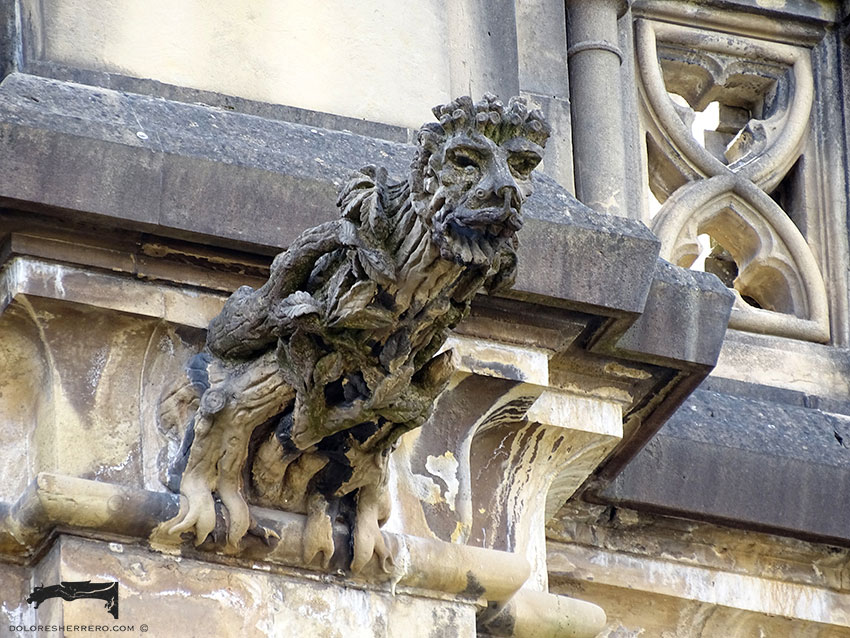
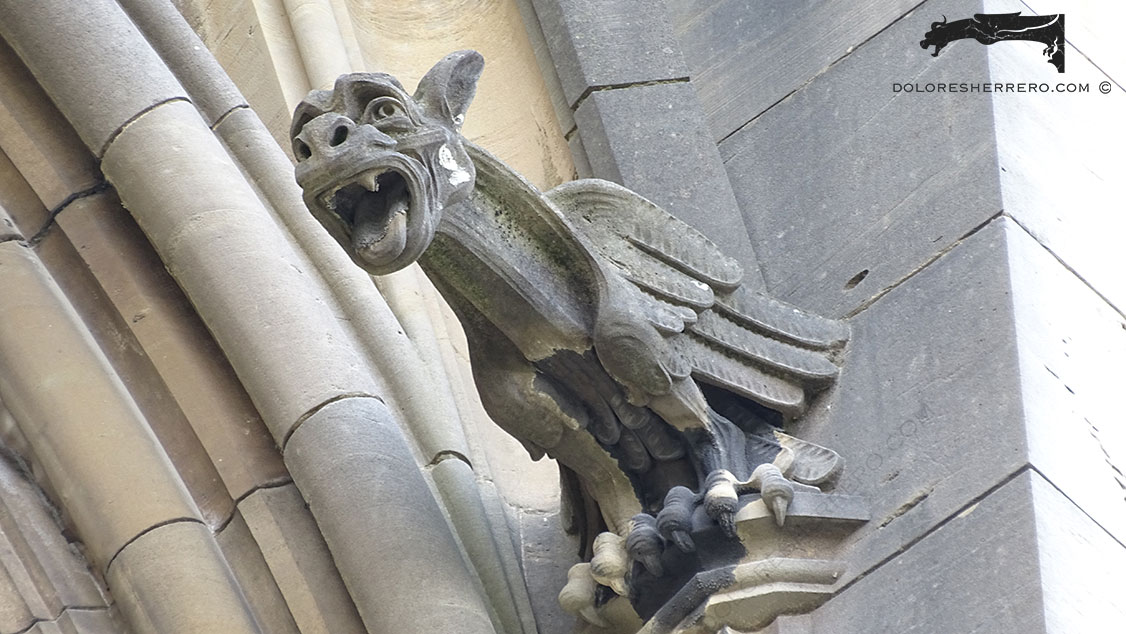
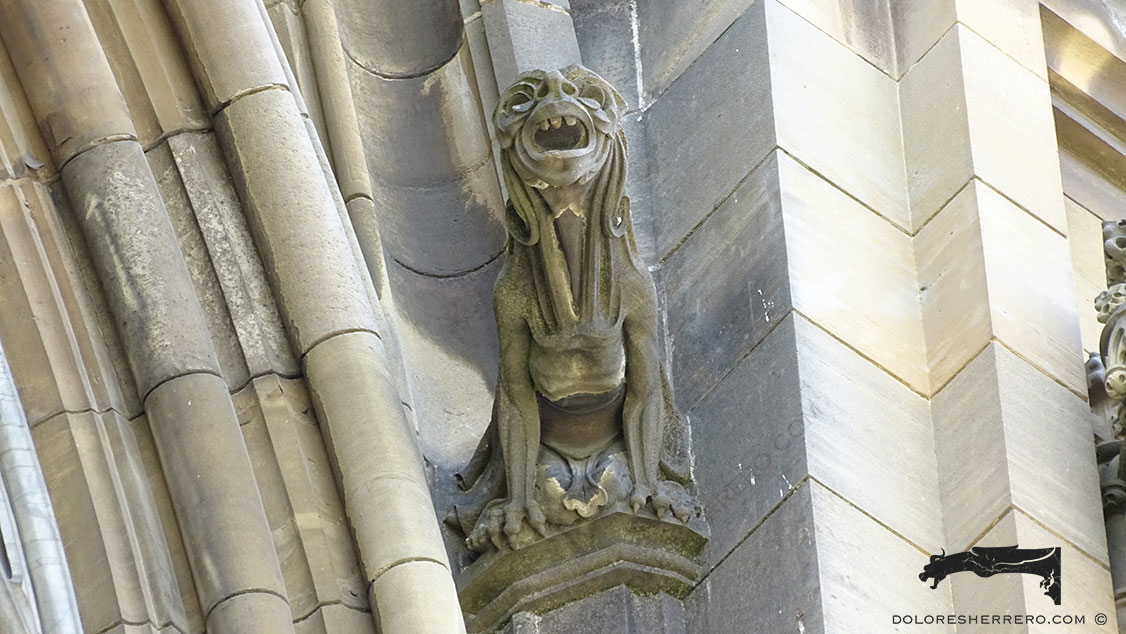
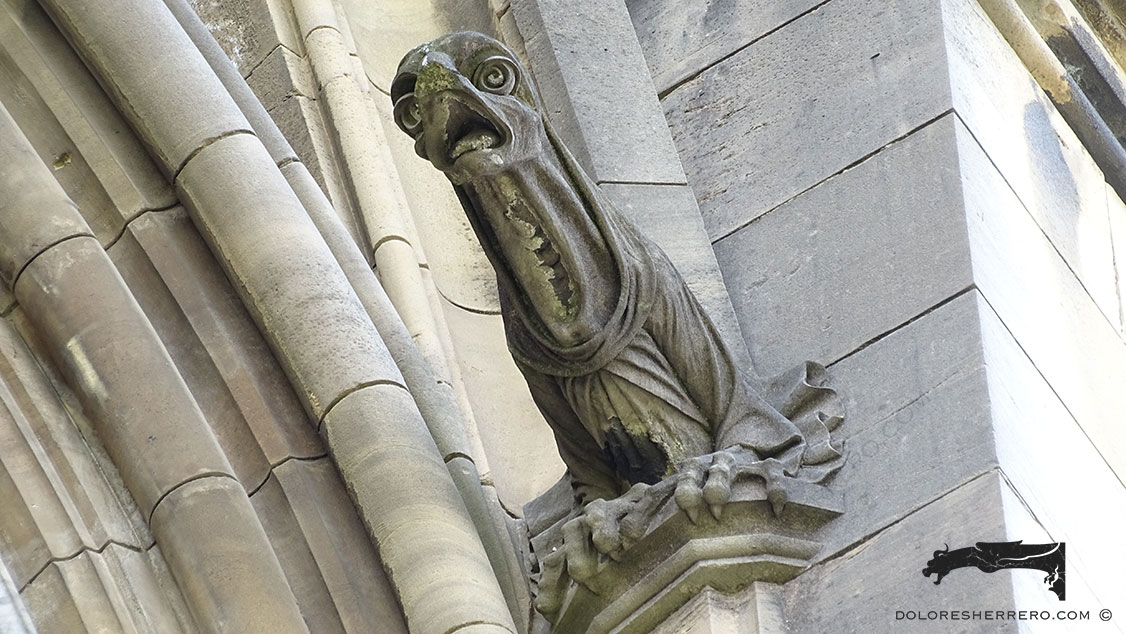
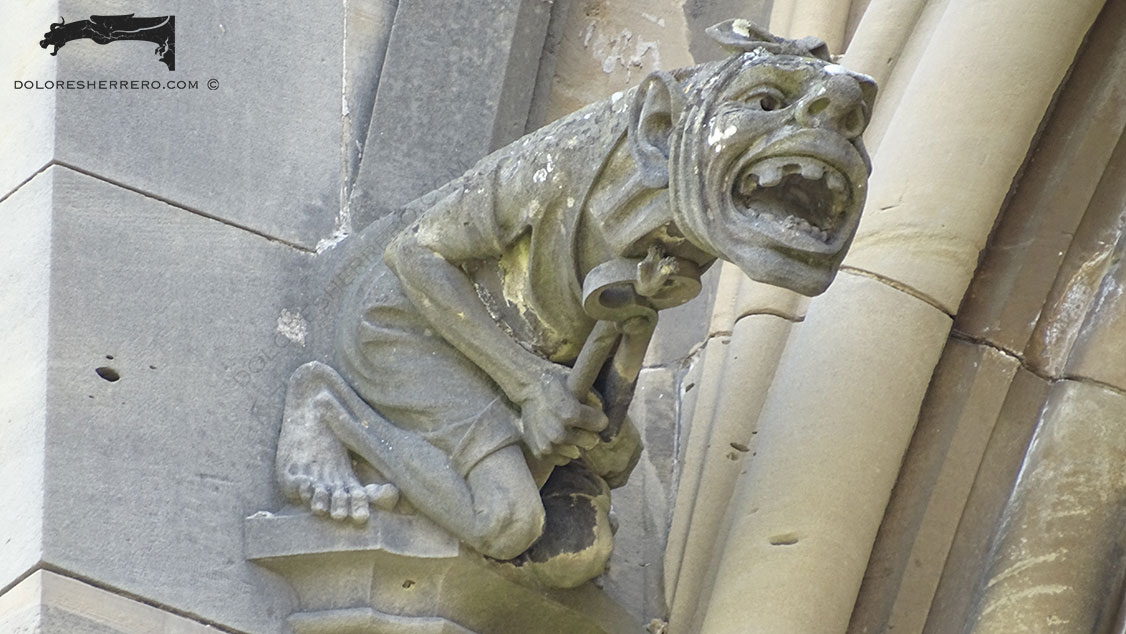
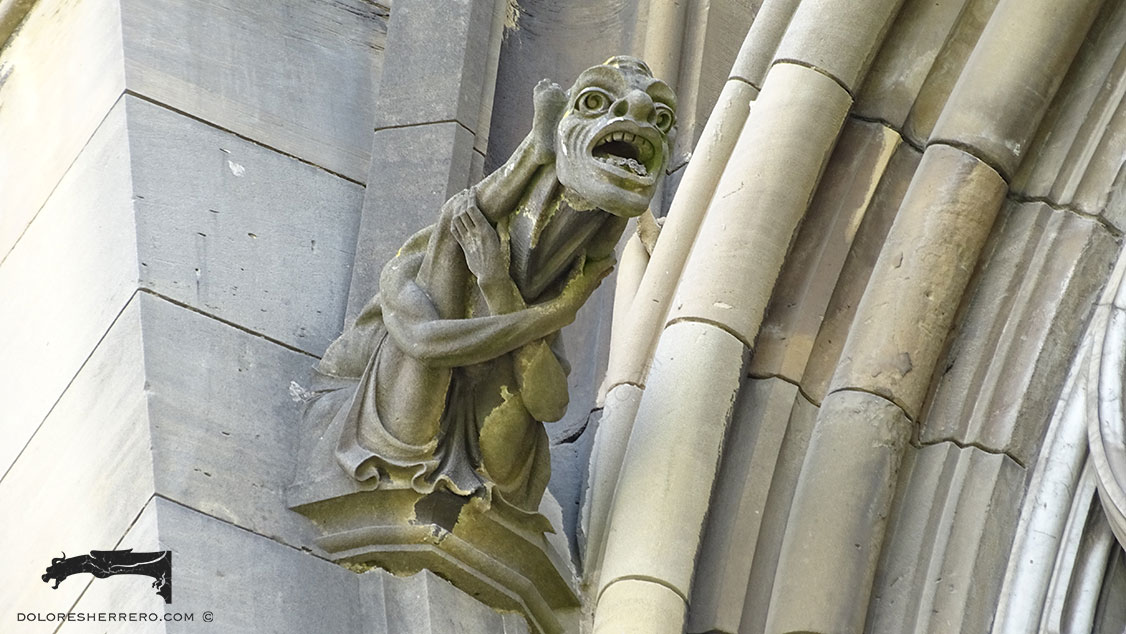
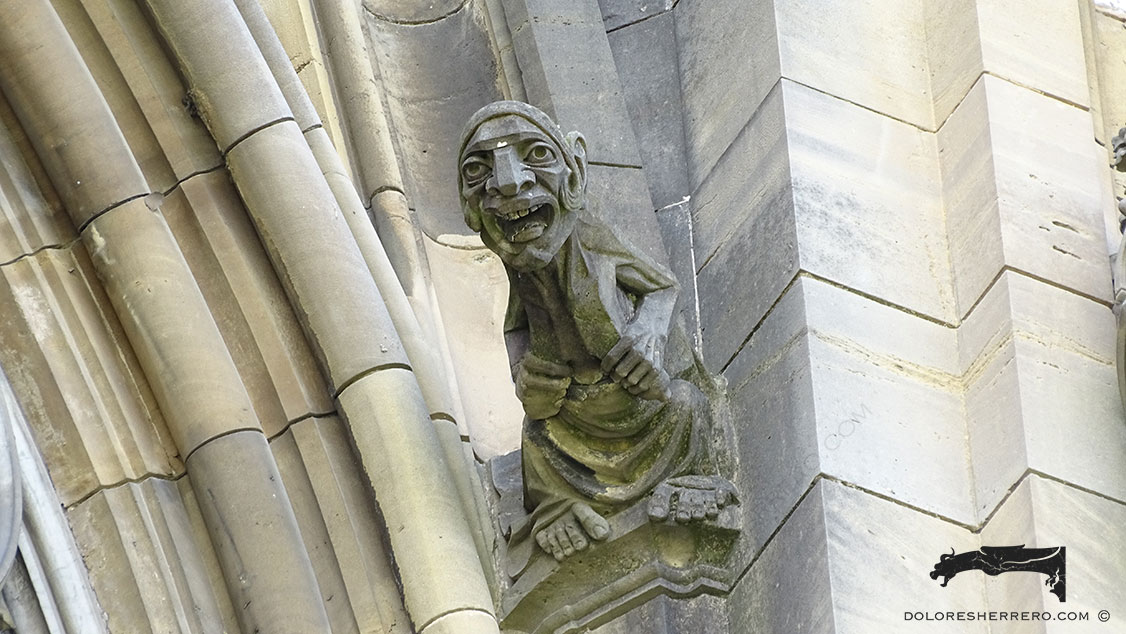
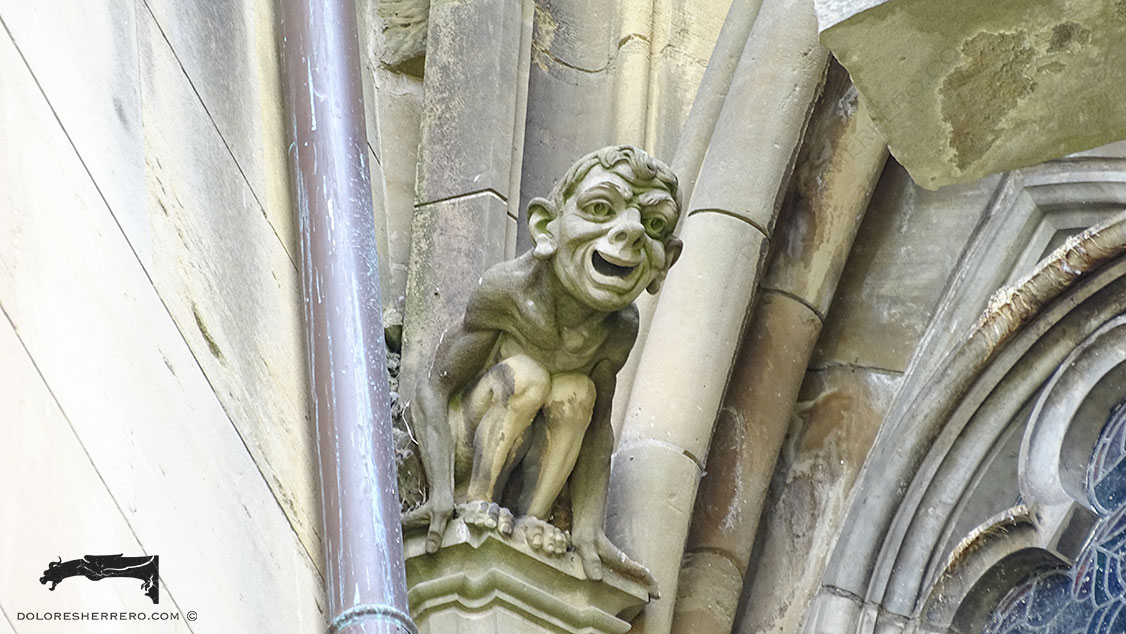
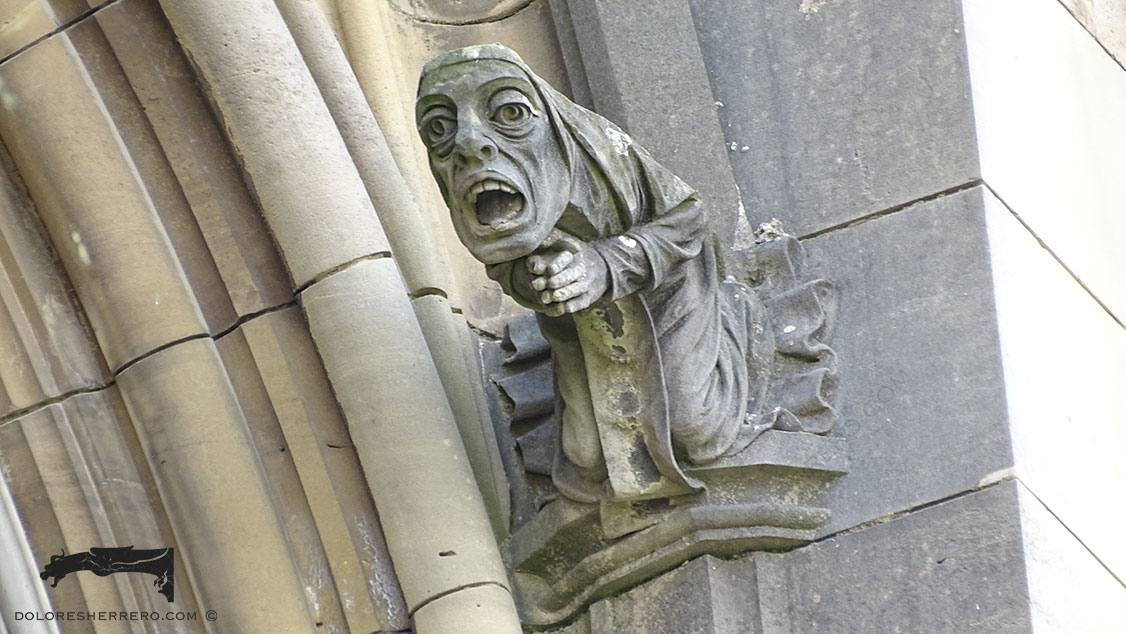
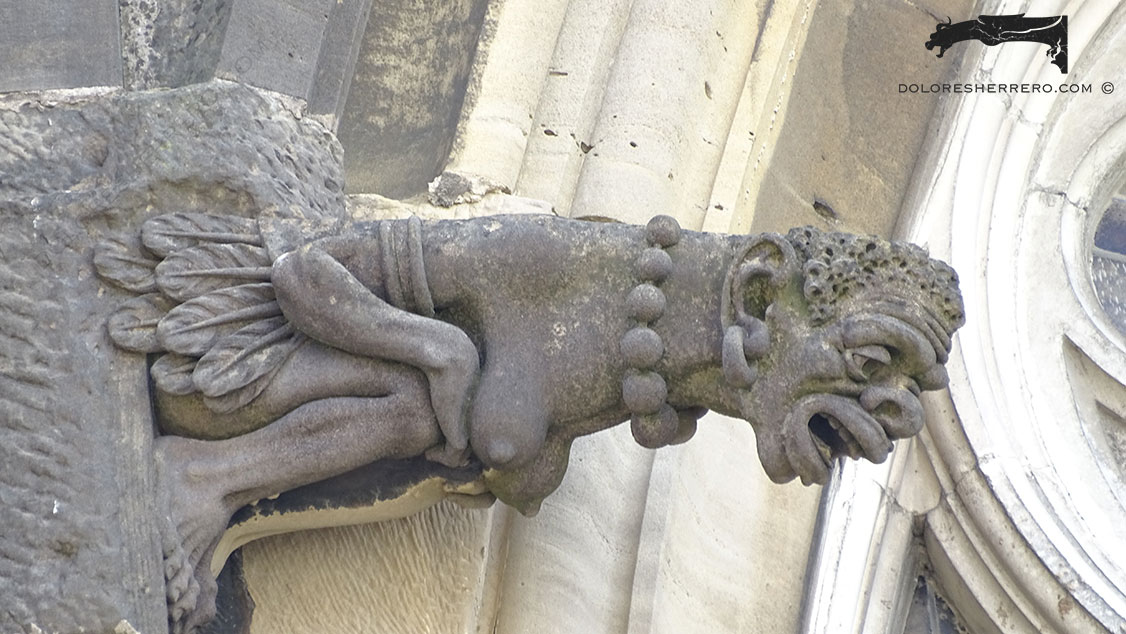
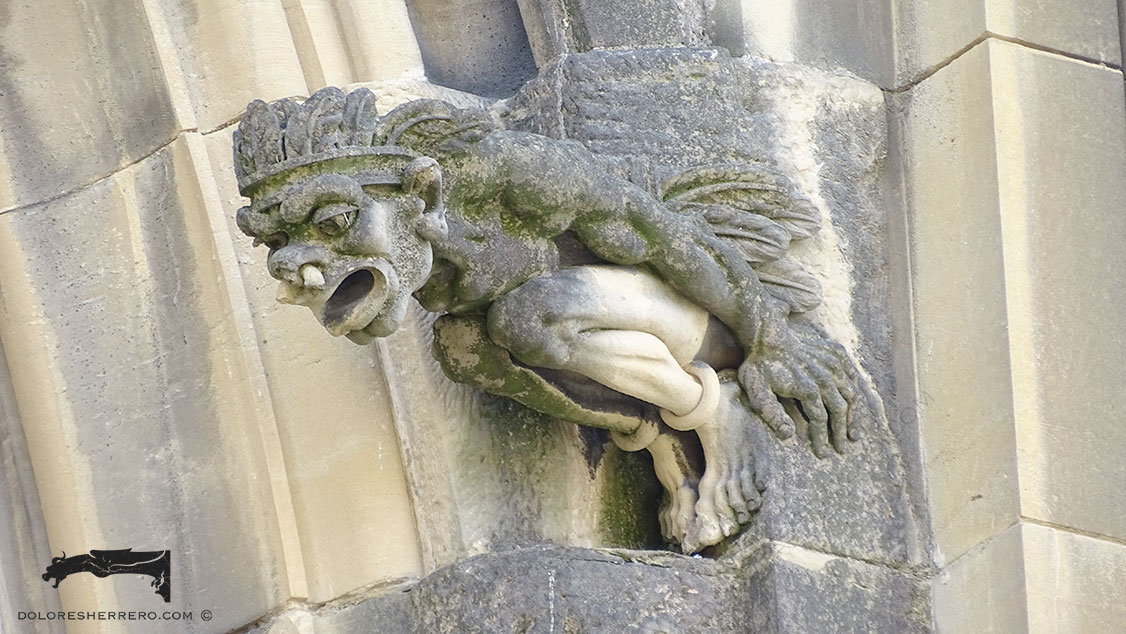
All of them are gargoyles of remarkable formal and typological richness and beauty. Each one reflects a particular history, a project conceived with foresight, and meticulous research. Here, we will limit ourselves to presenting the images for the appreciation of those interested in gargoyles. It should be noted, however, that the iconography of many of them is connected to Miguel Apraiz’s personal experience during the Spanish Civil War. A wide range of monsters, demons, and fantastic beings are also represented, including a trumpet-blowing angel.
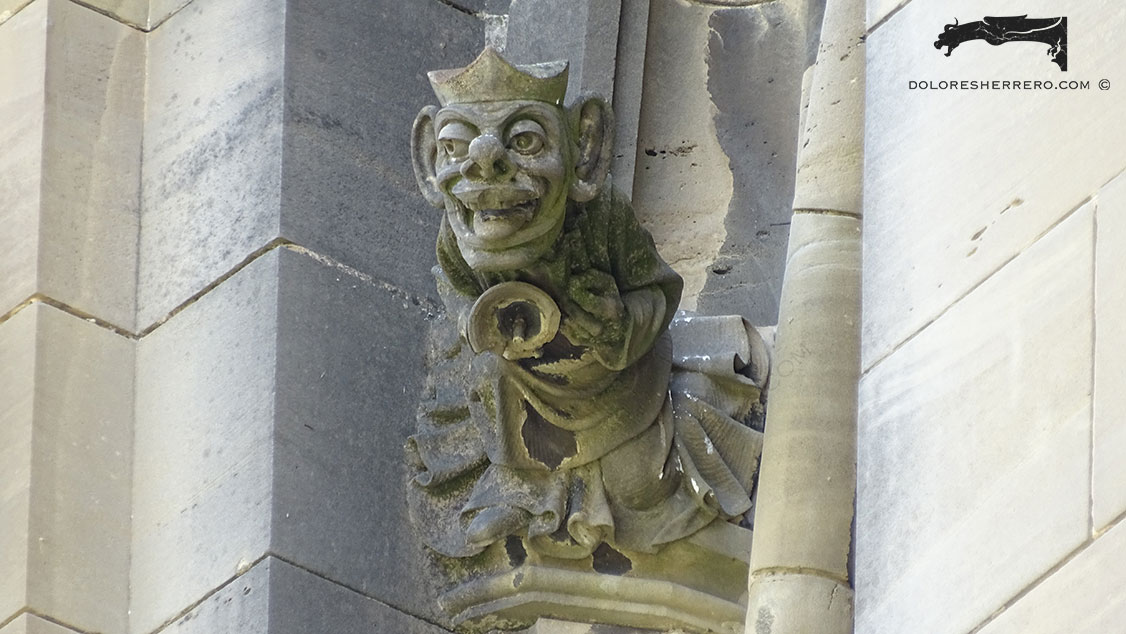
The grotesques or chimeras likewise form a noteworthy ensemble, both formally and thematically.
We now turn to this extraordinary collection of gargoyles and grotesques.
Gargoyles of the Cathedral of María Inmaculada
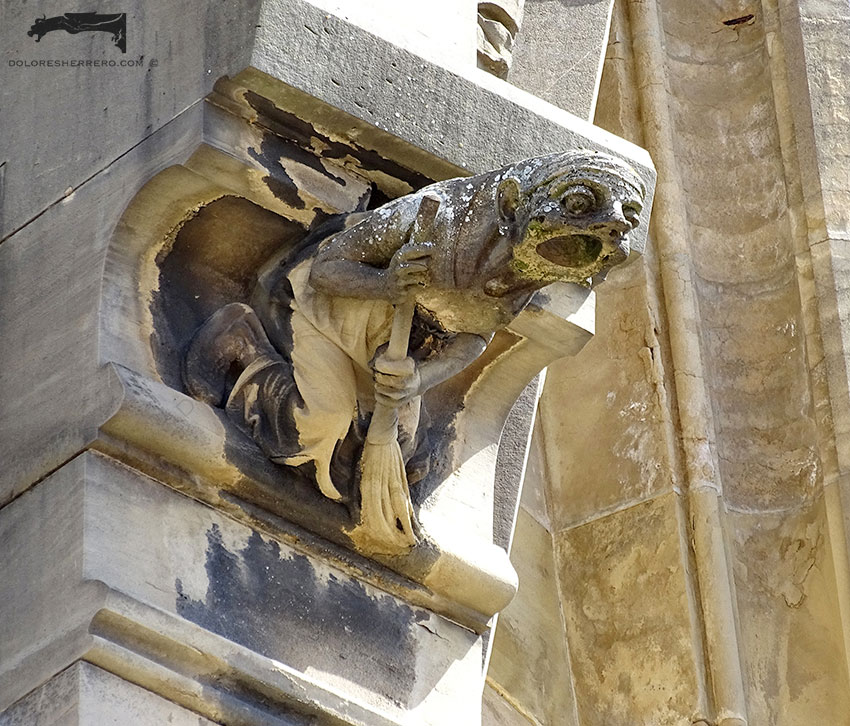
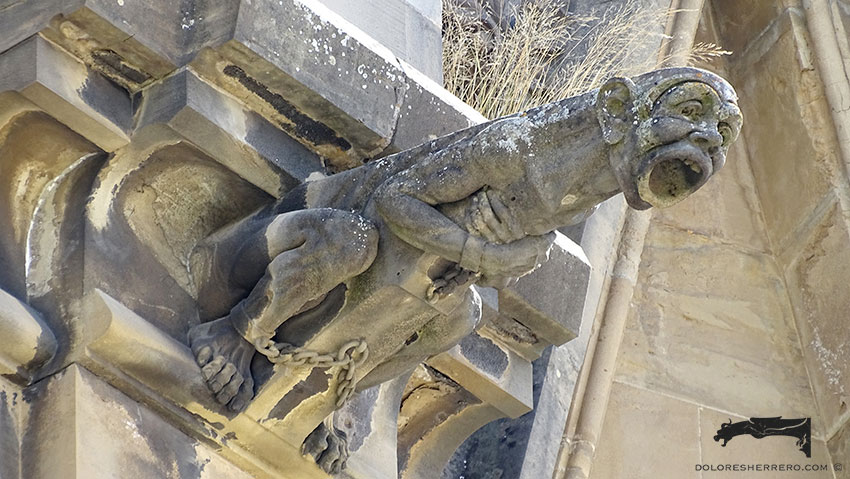
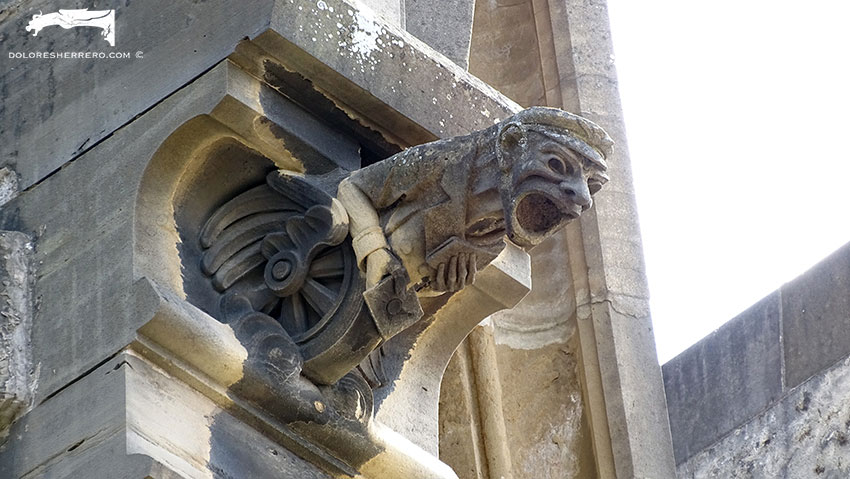
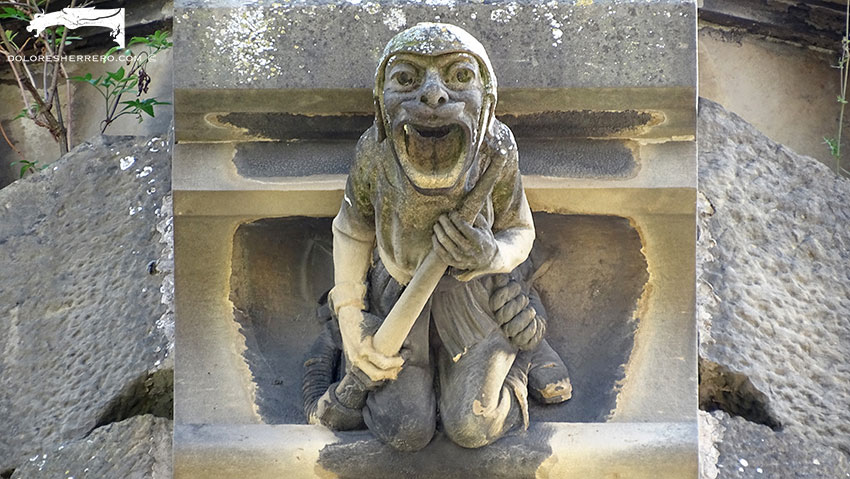
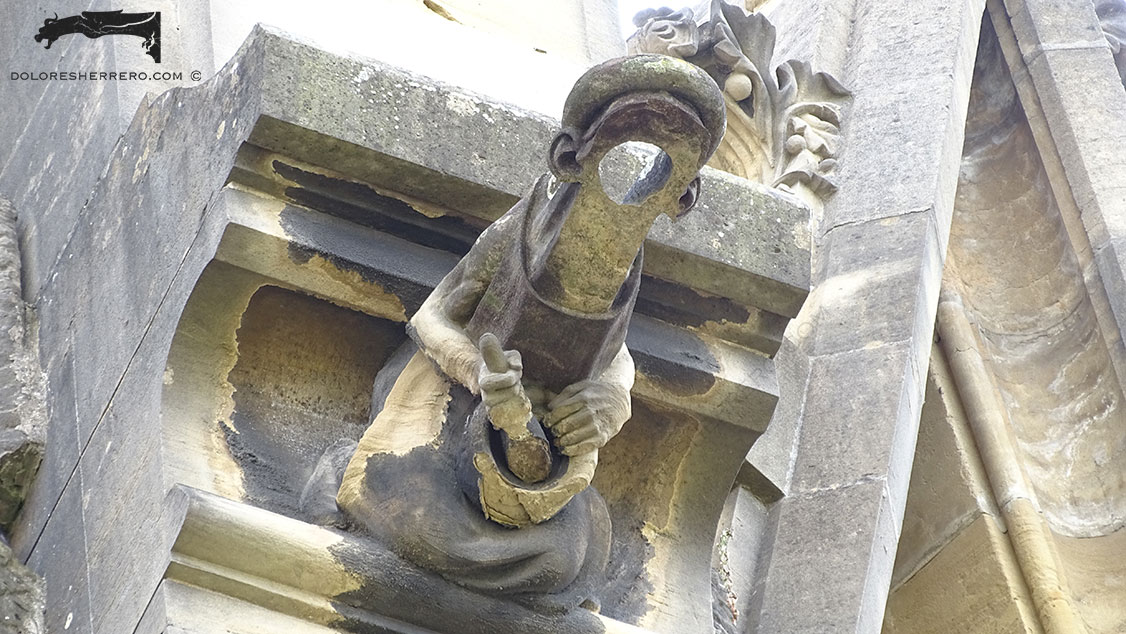
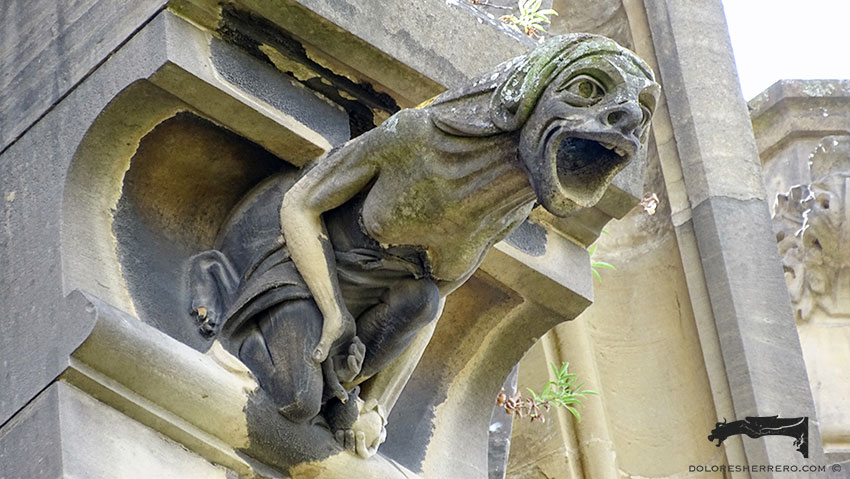
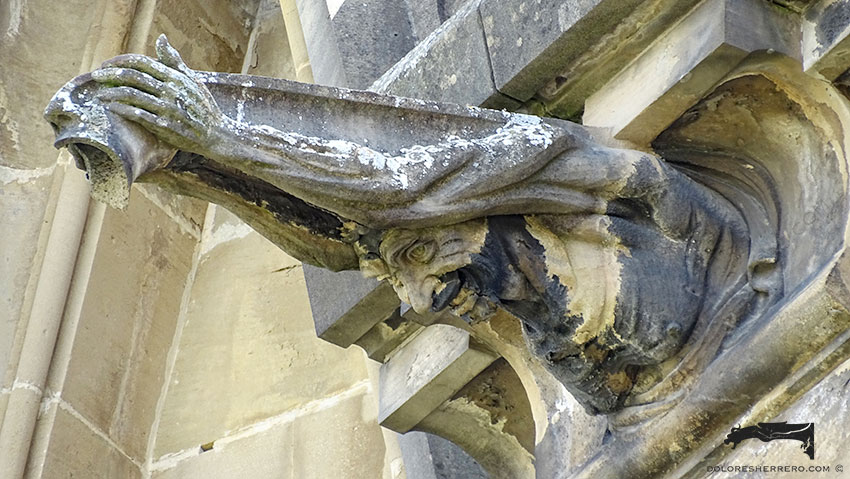
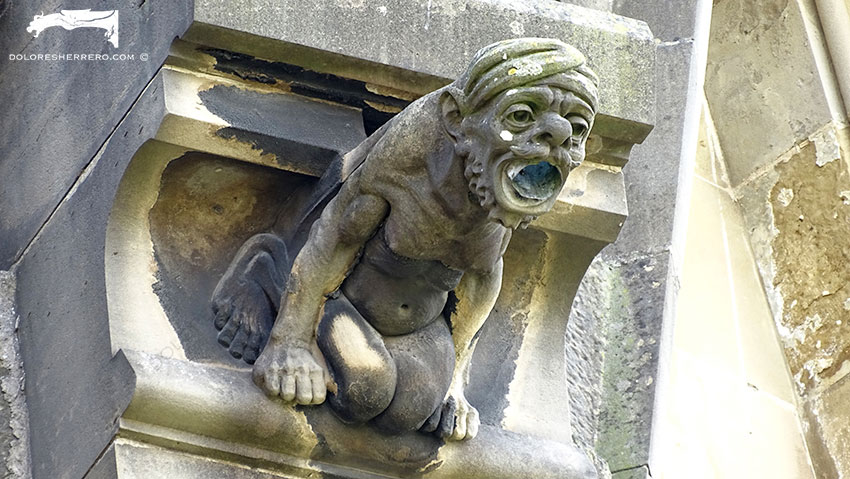
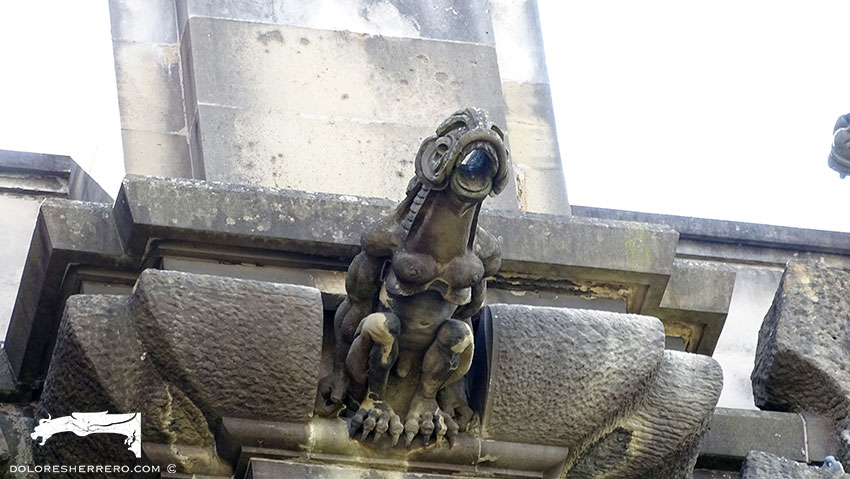
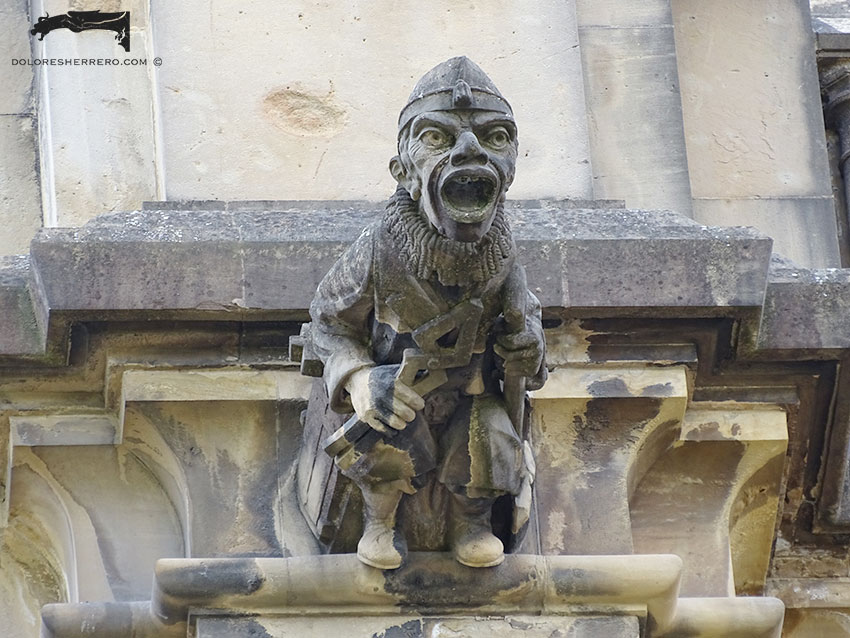
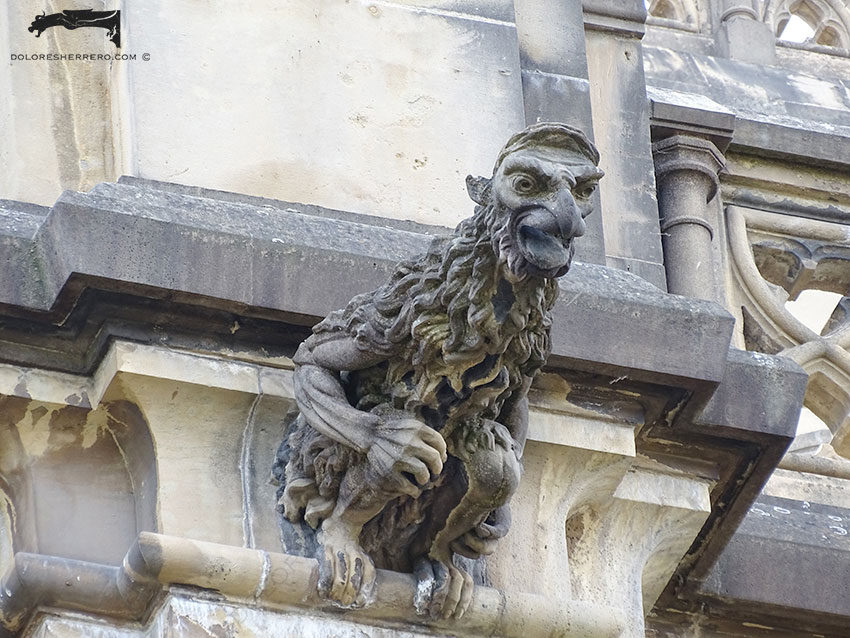
-
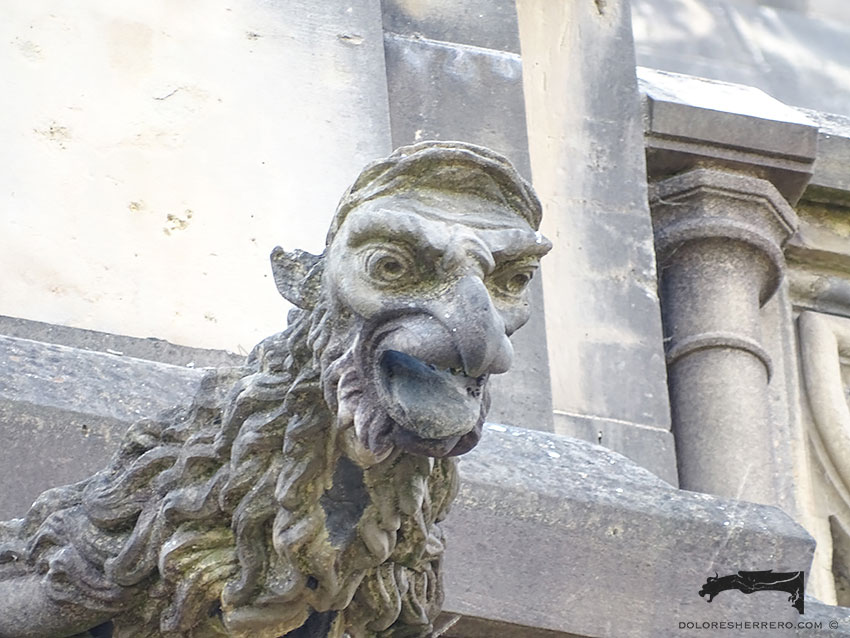
- Cathedral of Maria Immaculada (Vitoria, Spain)
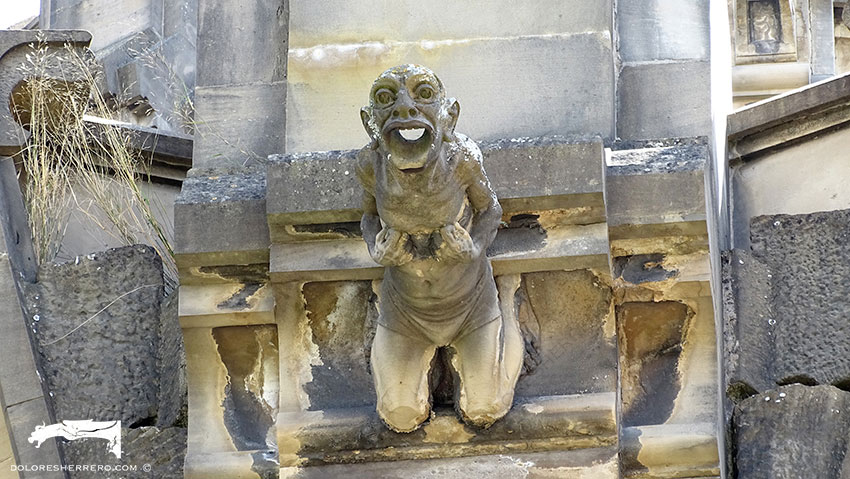
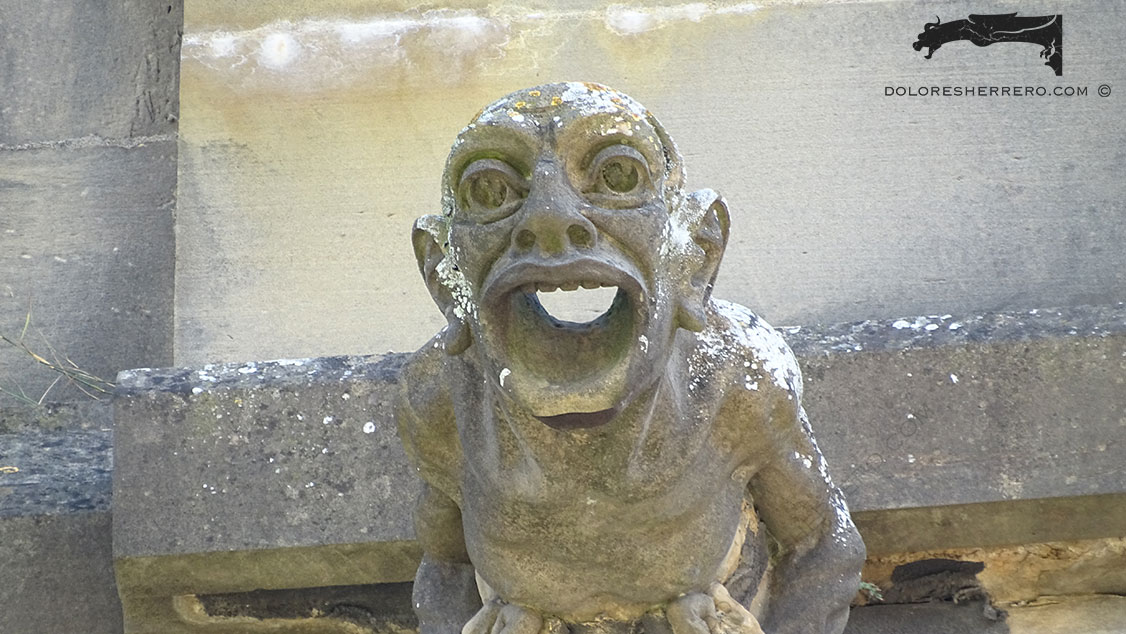
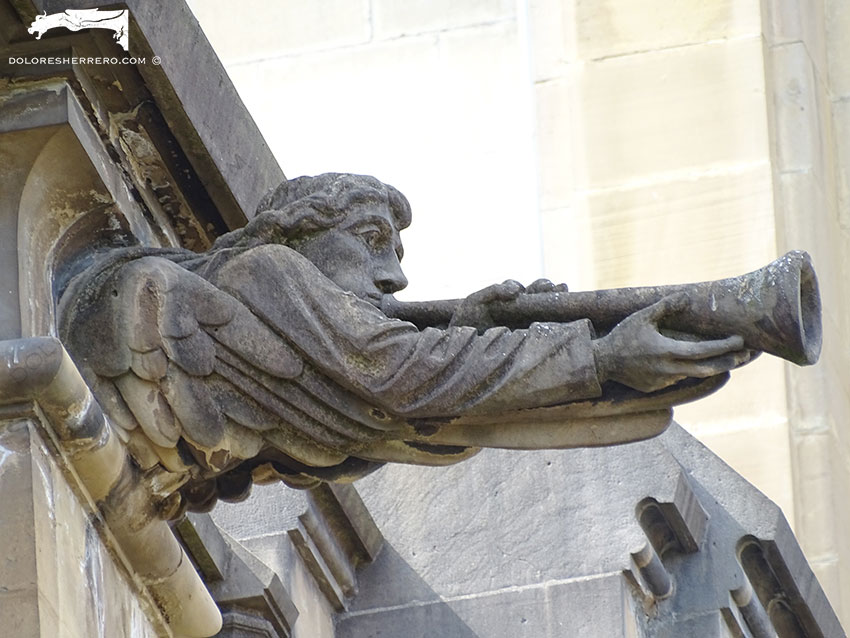
Grotesques or Chimeras
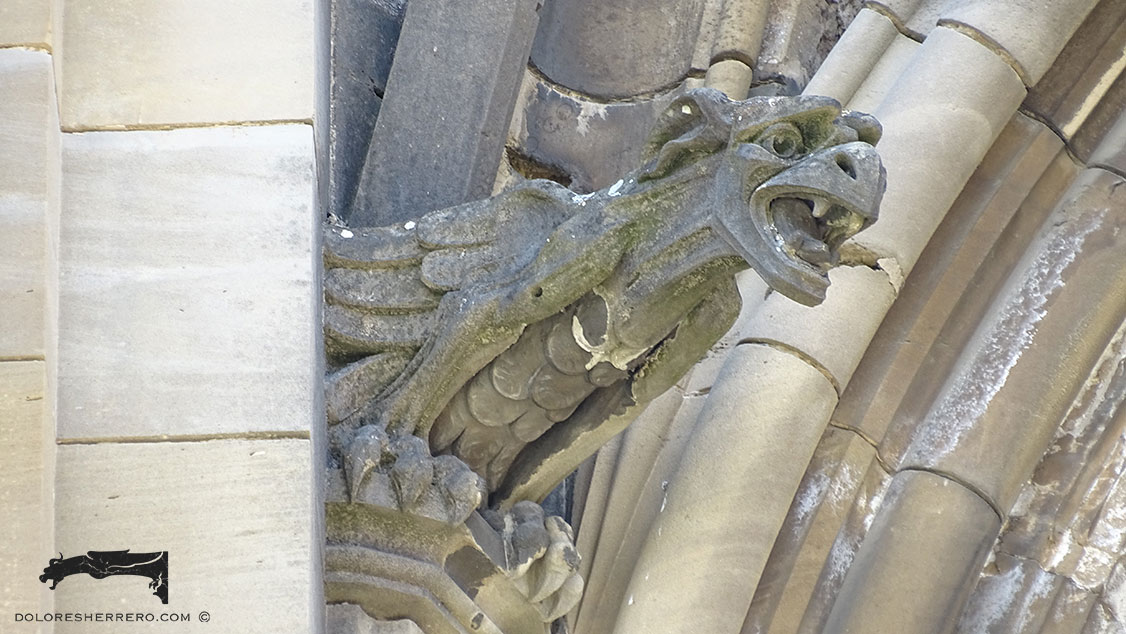
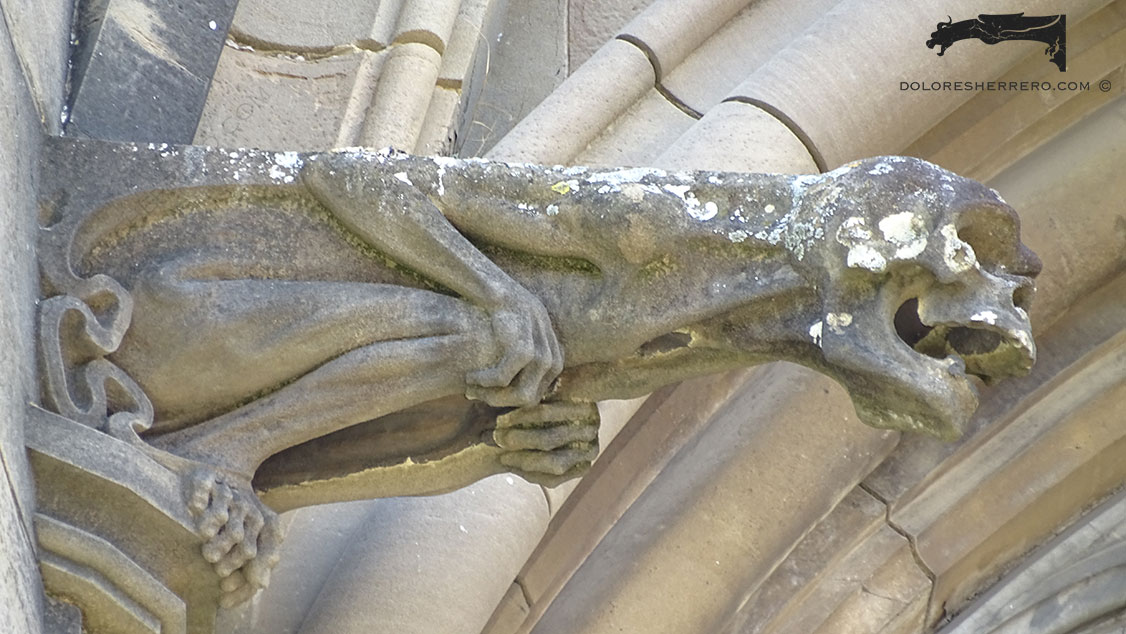
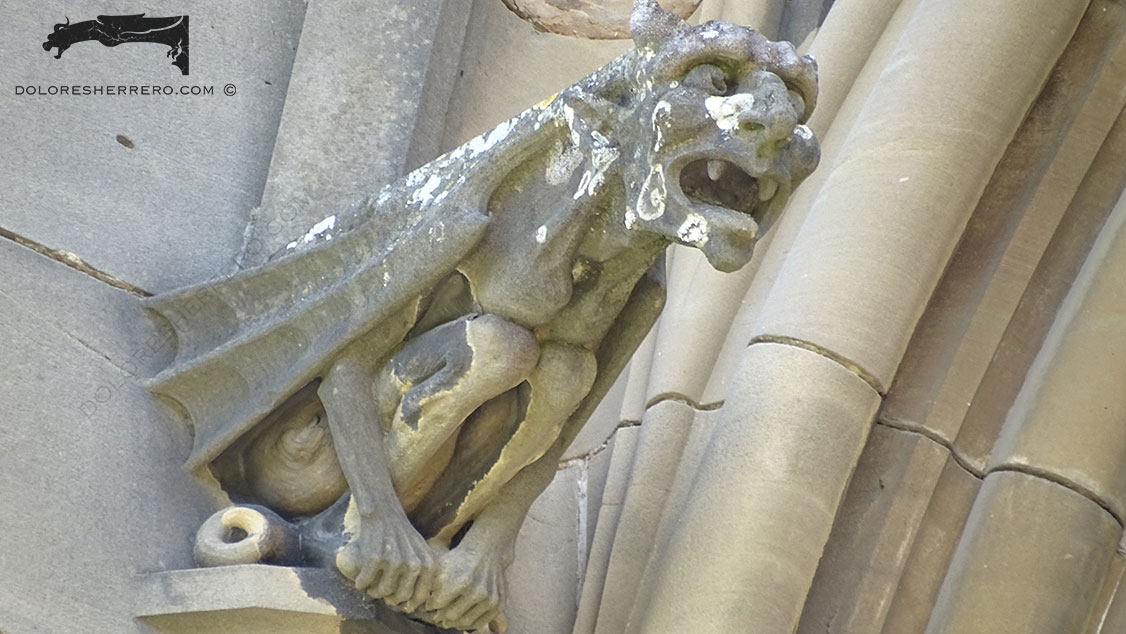
This entry was originally published in December 2018 and updated in February 2026.
Doctor of Art History and researcher specializing in the study of gargoyles.
I am Dolores Herrero Ferrio, and my thesis, “An Approach to the Study of Gargoyles of Gothic Cathedrals in Castilla and León”, is dedicated to the study of these fascinating figures.
If you like gargoyles and art history, you will also enjoy my book, “The Gargoyle and Its Iconography,” a book I have written with great care for those interested in the world of gargoyles.
I have created my own Encyclopedia of Gargoyles, a Gargopedia to share with you, where you will discover all the secrets and wonders of these enigmatic sculptures.
I hope you enjoy this Gargopedia as much as I have enjoyed creating it, and remember that each gargoyle has a story to tell, and here you will discover them all.
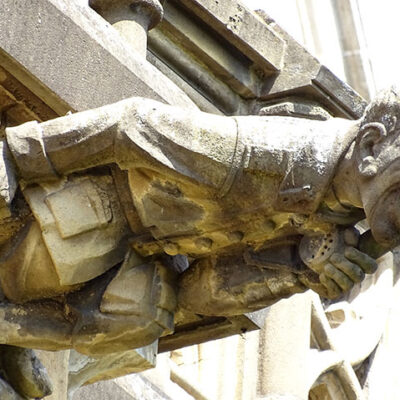 Gargoyles of the Cathedral of María Inmaculada in Vitoria (Spain): Part Two
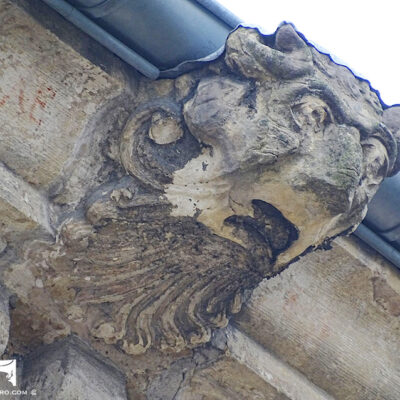 Gargoyles of the National Library of Luxembourg
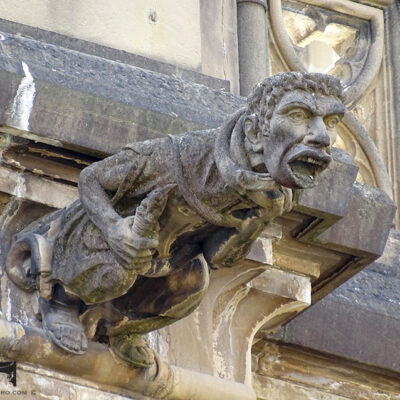 Gárgolas de la Catedral de María Inmaculada de Vitoria (Álava): Parte I
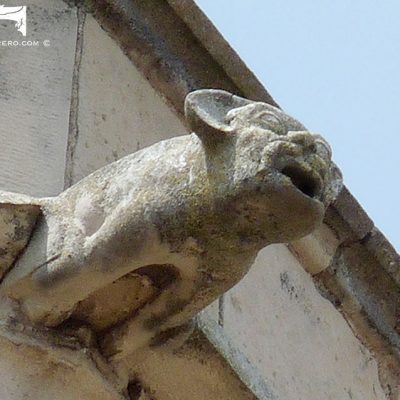 Gargoyles on the Seu Vella of Lleida (Spain): Guardians of the Fortified Cathedral
 Gargoyles of the Maison du Roi in Brussels (Belgium)