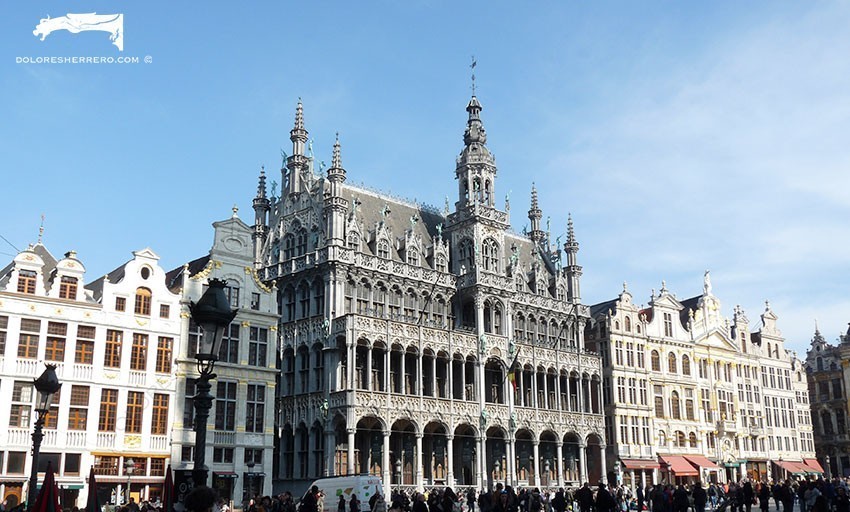
Our journey takes us to Belgium for the first time, specifically to the beautiful city of Brussels, where we can gaze at one of the most wonderful and outstanding squares in the world, the Grand Place. The gargoyles we explore in this entry are found on one of the square’s magnificent buildings, La Maison du Roi (The King’s House), also known as Broodhuis (Bread House).
History and Architecture of the Maison du Roi in Brussels
This impressive building has undergone a number of changes throughout the centuries. Before being a residence for monarchs, back in the 12th century it was a wooden building where bakers sold bread. In the 15th century it was replaced by a stone building and was used as the location for the Duke of Brabant's office. Later, in the 16th century, it was rebuilt in the Late Gothic style. Finally, in 1873 it was rebuilt in the Neo-Gothic style. It is now home to the city's museum, Musée de la Ville (Museum of the City of Brussels).
The Gargoyles of the Maison du Roi
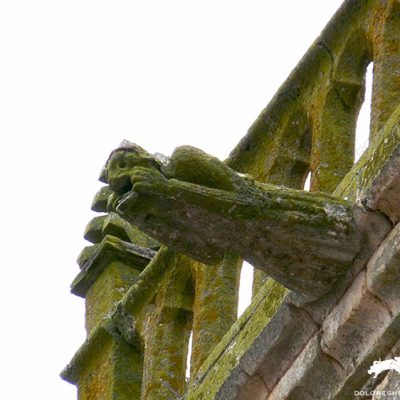
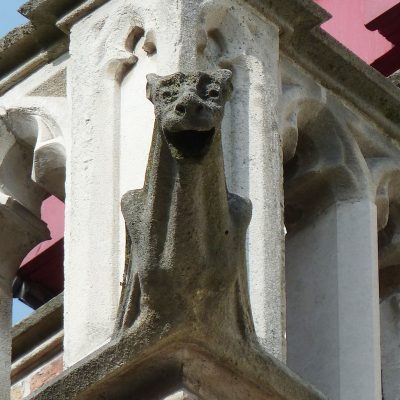
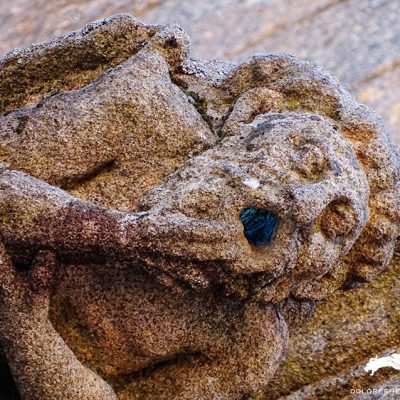
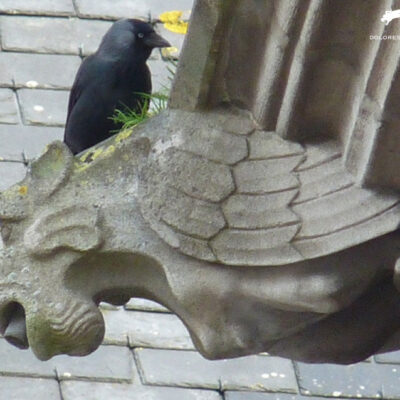
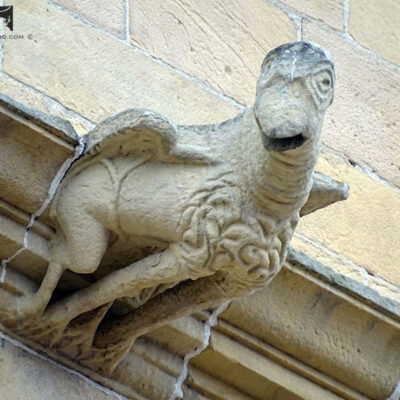
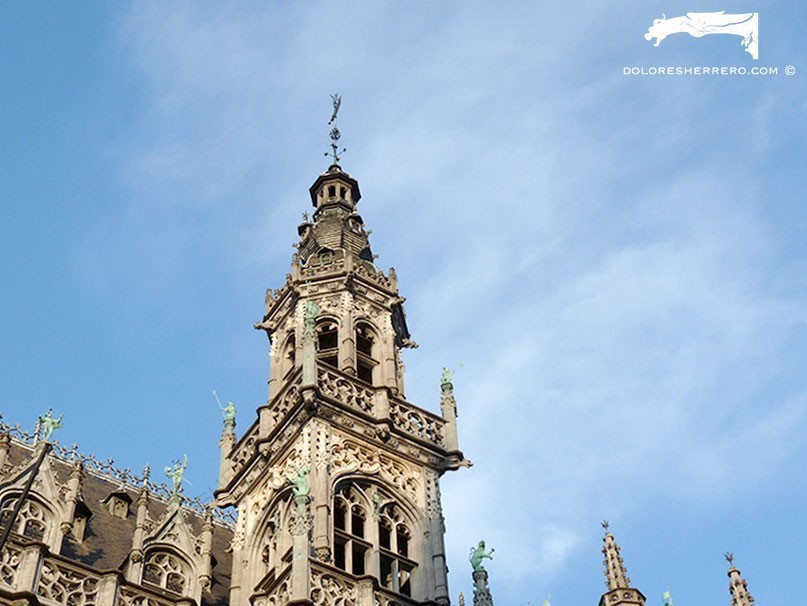
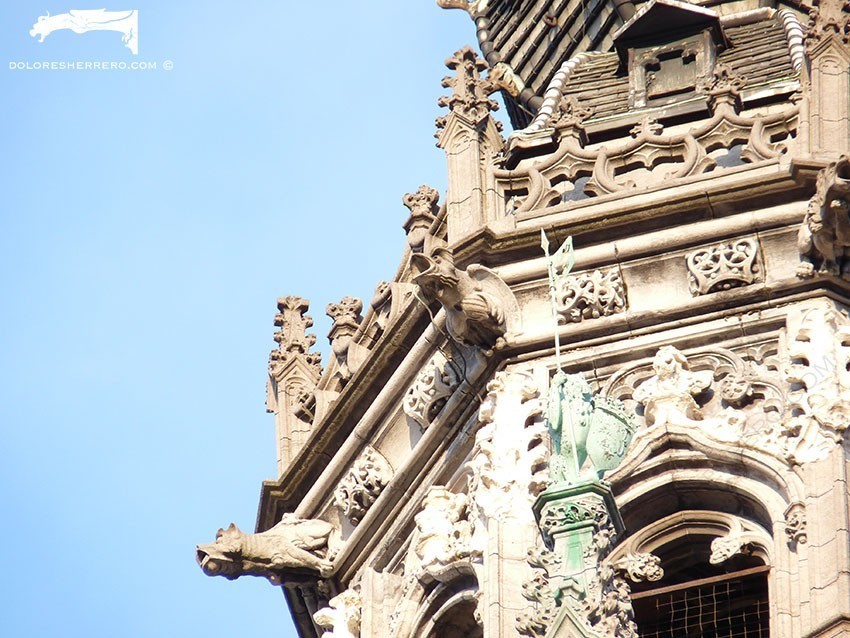
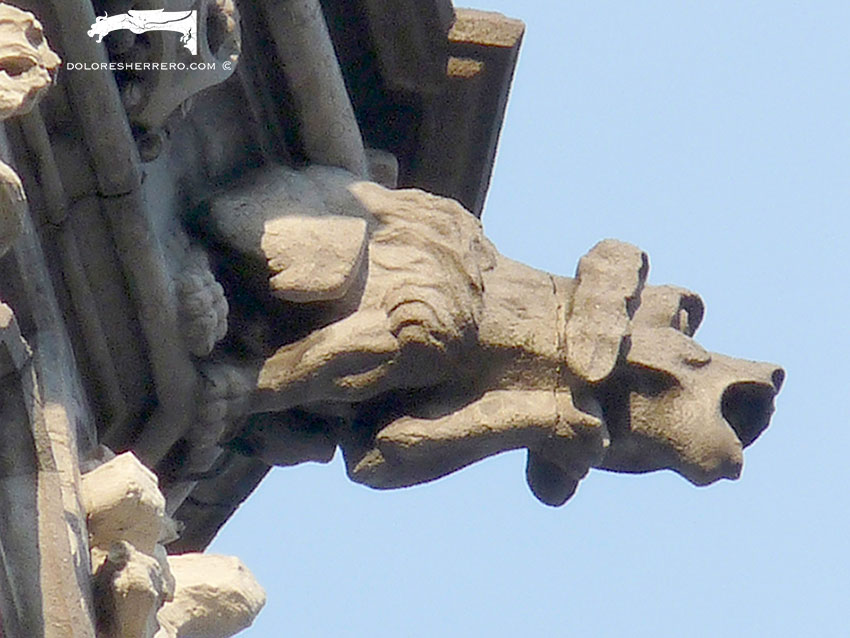
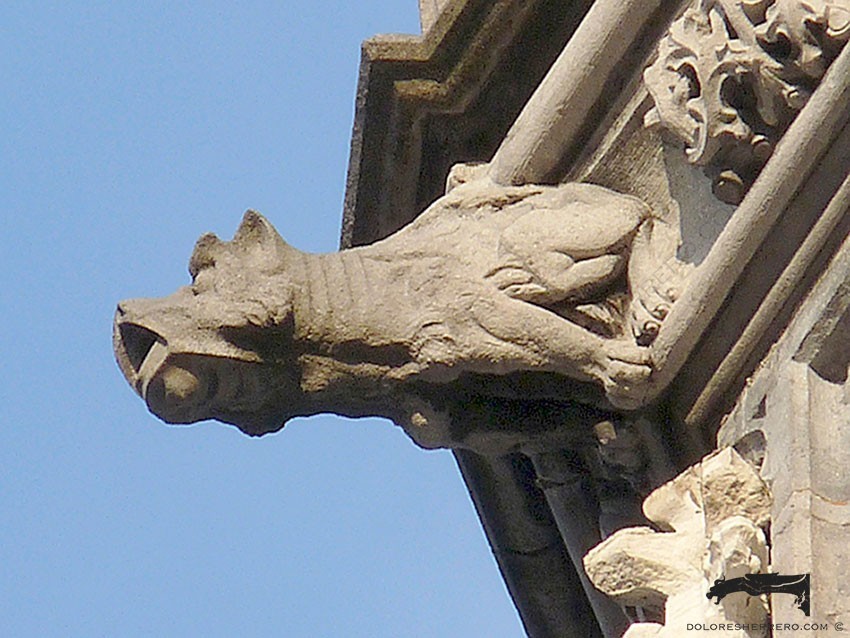
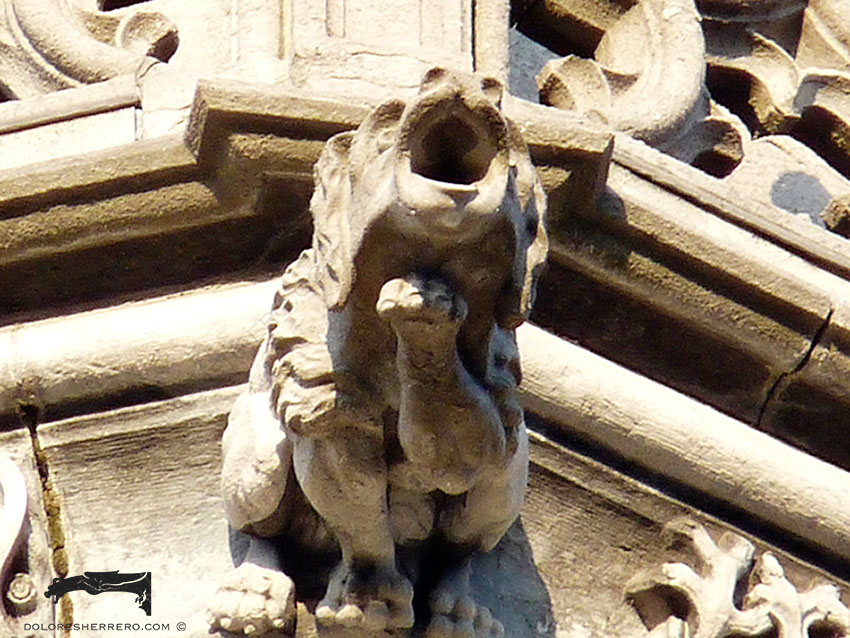
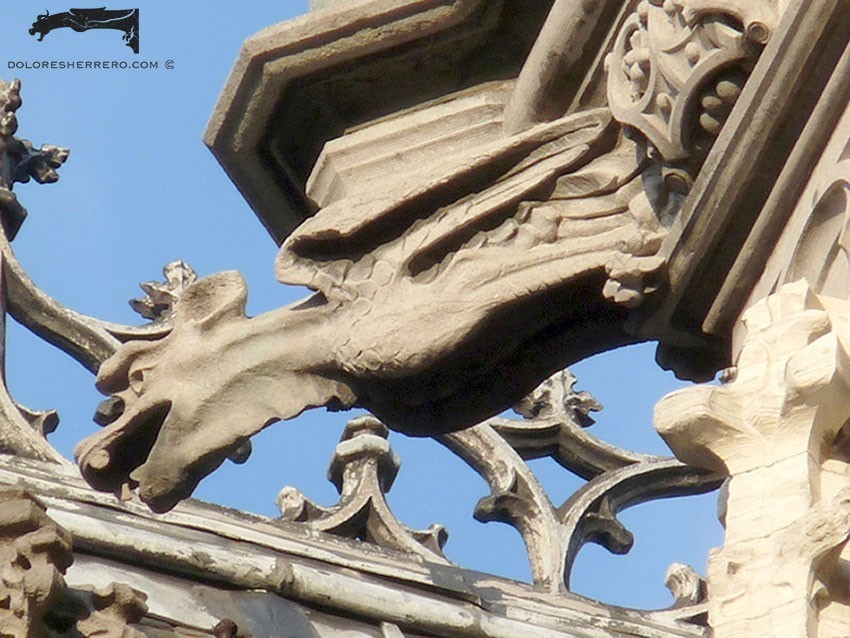
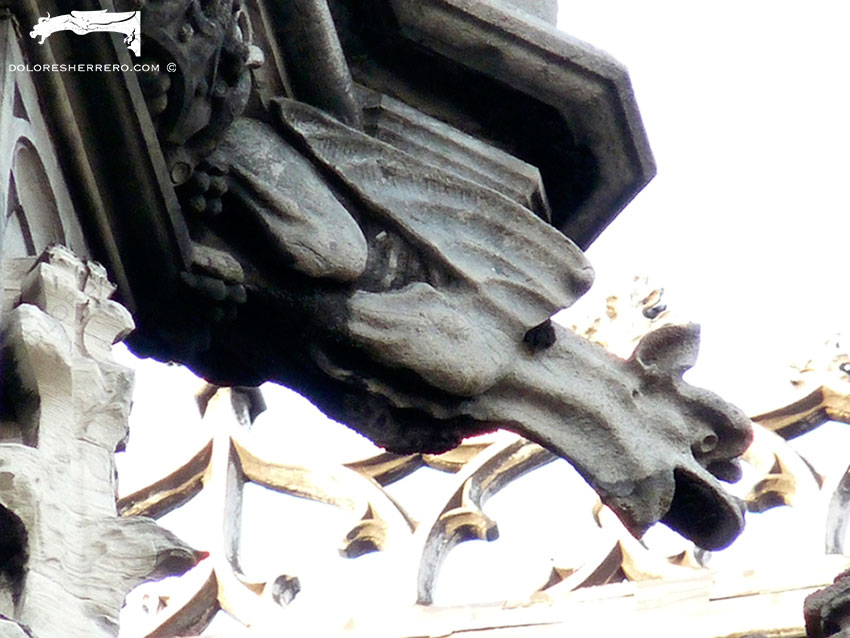
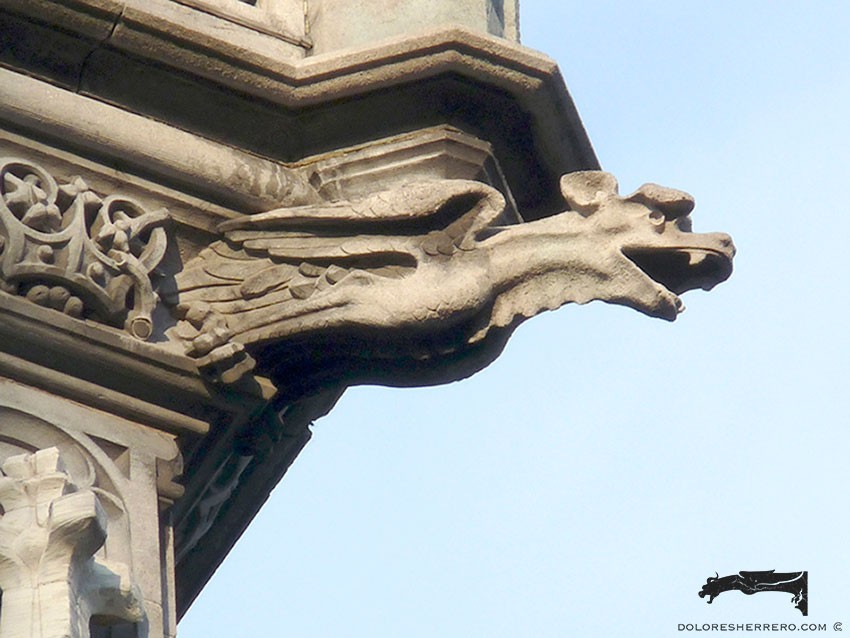
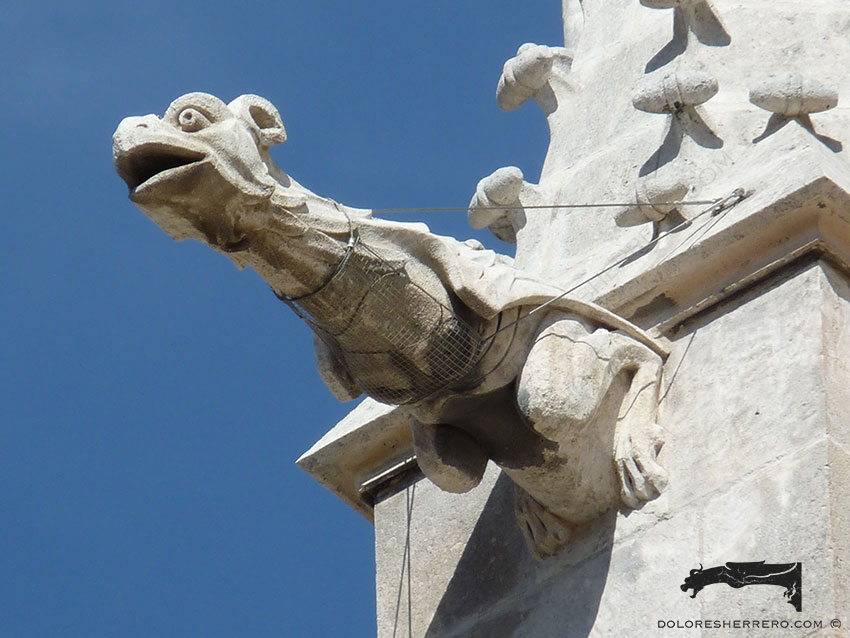
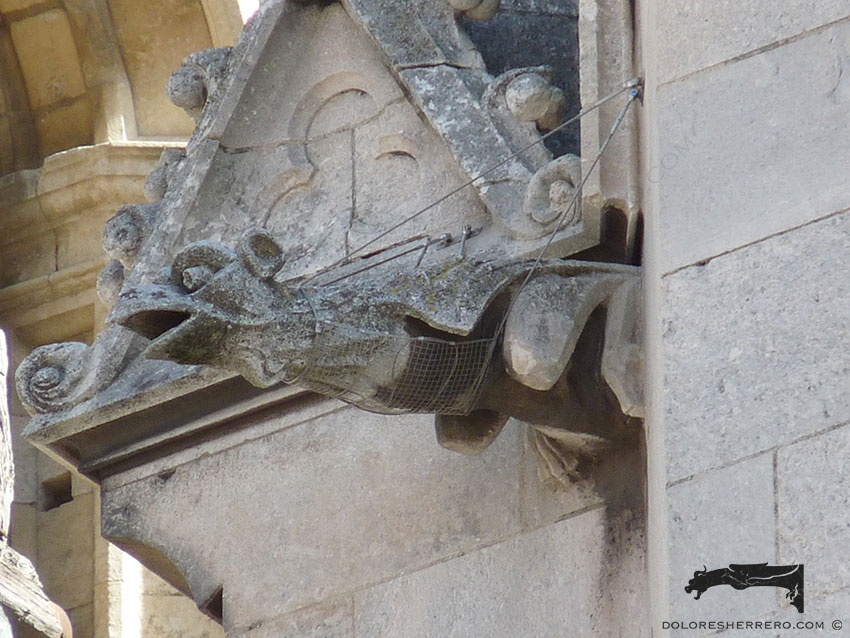
The gargoyles are positioned high up on the tower, where a variety of types can be distinguished. Among them are birds, dogs, and winged quadrupeds. Some figures display peculiar details, such as the decorative patterns on the birds’ wings. The dogs often have long, drooping ears and can even be seen resting one paw against their throat. The winged quadrupeds exhibit round eyes, crests, fangs, and a marked trachea; interestingly, they resemble certain gargoyles found on León Cathedral (Spain). Indeed, wherever we go, and despite their remarkable diversity of styles and forms, gargoyles reveal themselves through a unique and universal visual language.
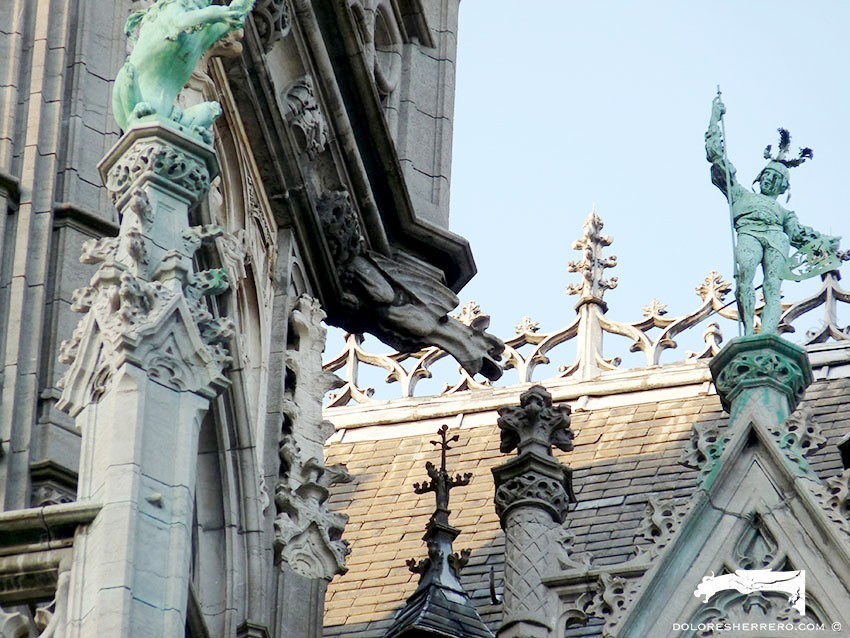
Gargoyles Representing Birds
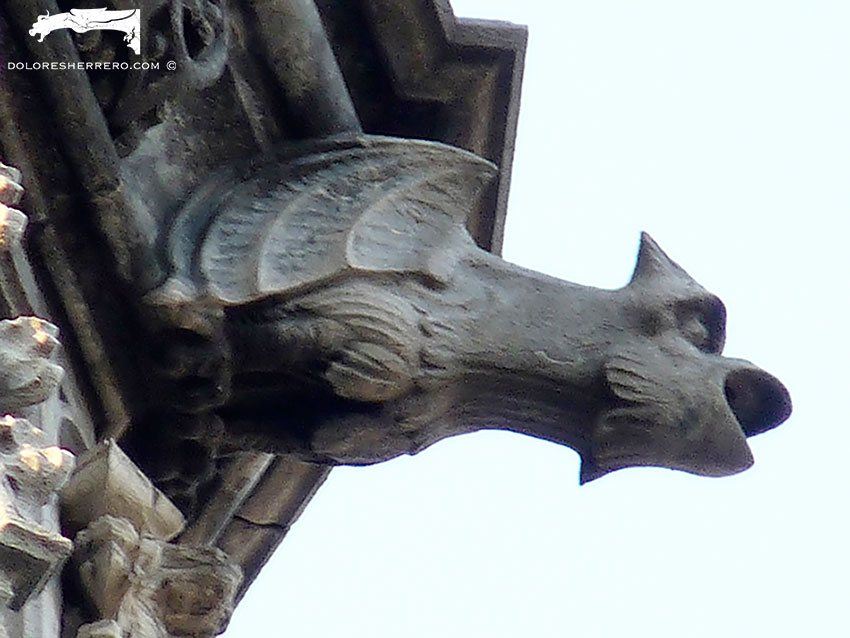
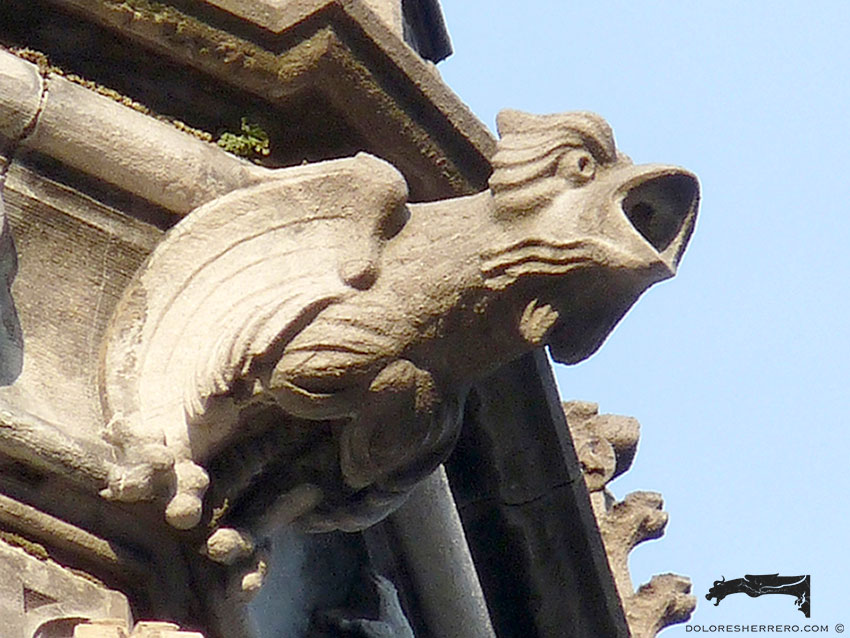
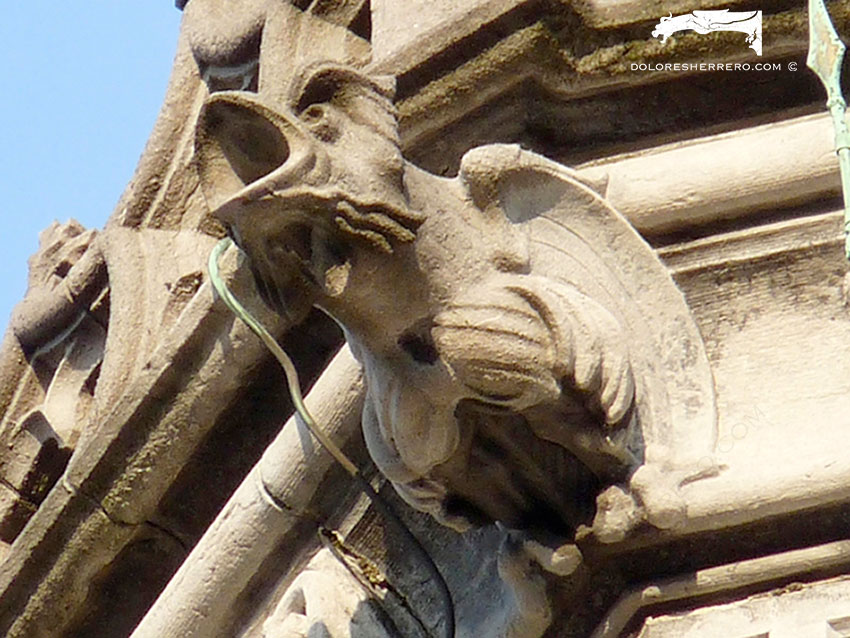
Gargoyles Representing Dogs
Gargoyles Representing Winged Quadrupeds
Gargoyles of León Cathedral (Spain)
This entry was originally published in February 2018 and updated in December 2025.
Doctor of Art History and researcher specializing in the study of gargoyles.
I am Dolores Herrero Ferrio, and my thesis, “An Approach to the Study of Gargoyles of Gothic Cathedrals in Castilla and León”, is dedicated to the study of these fascinating figures.
If you like gargoyles and art history, you will also enjoy my book, “The Gargoyle and Its Iconography,” a book I have written with great care for those interested in the world of gargoyles.
I have created my own Encyclopedia of Gargoyles, a Gargopedia to share with you, where you will discover all the secrets and wonders of these enigmatic sculptures.
I hope you enjoy this Gargopedia as much as I have enjoyed creating it, and remember that each gargoyle has a story to tell, and here you will discover them all.