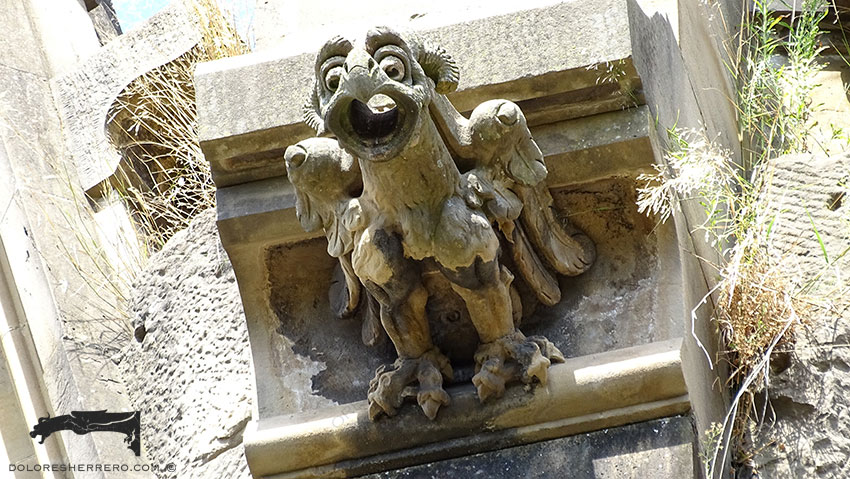
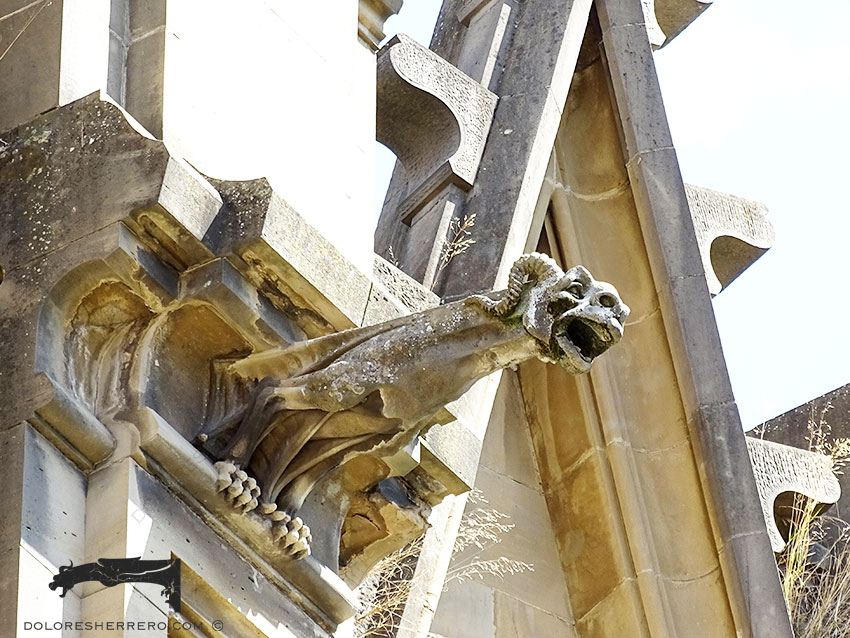
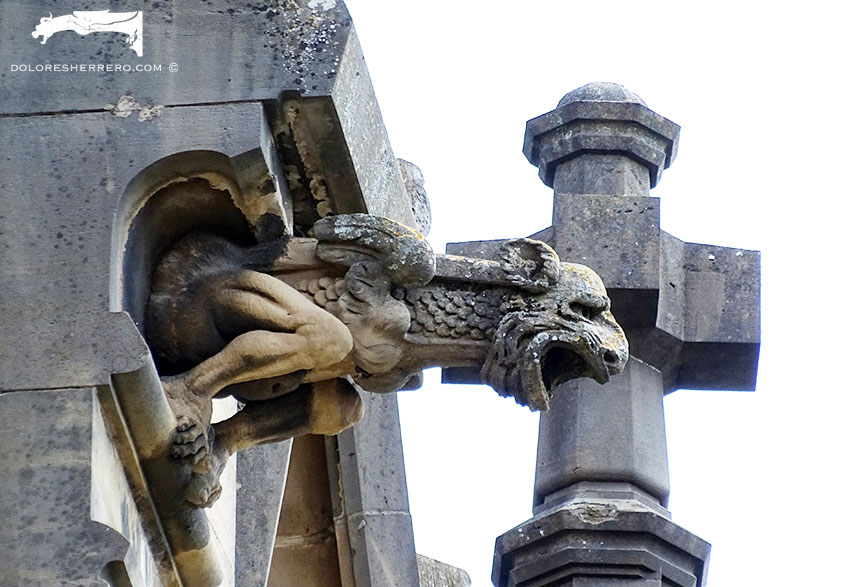
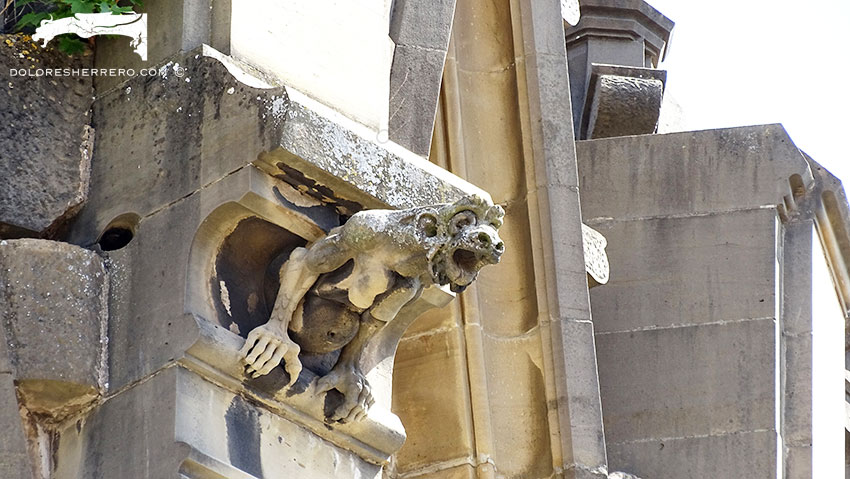
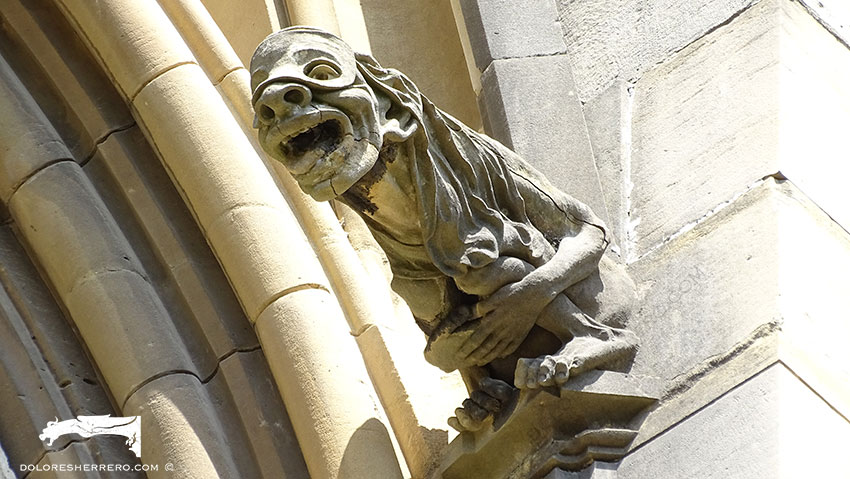
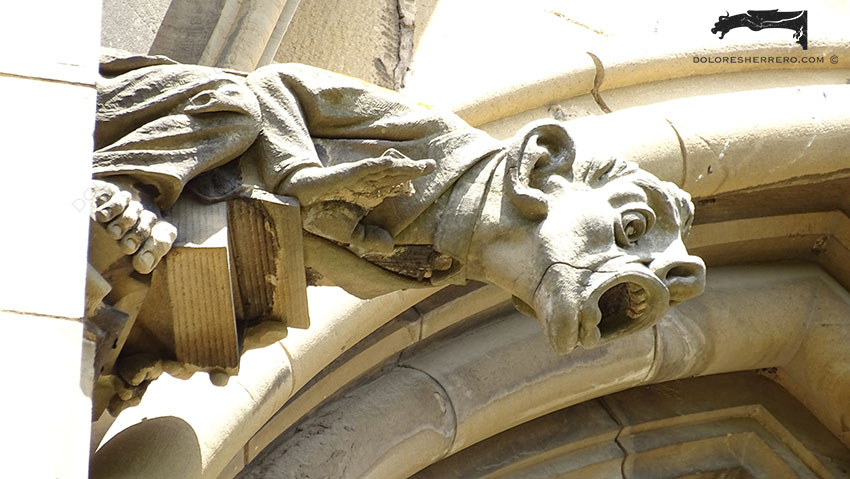
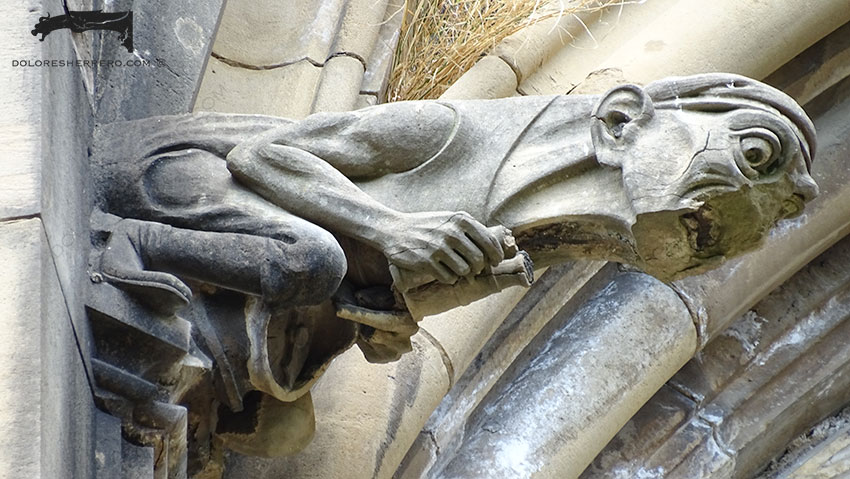
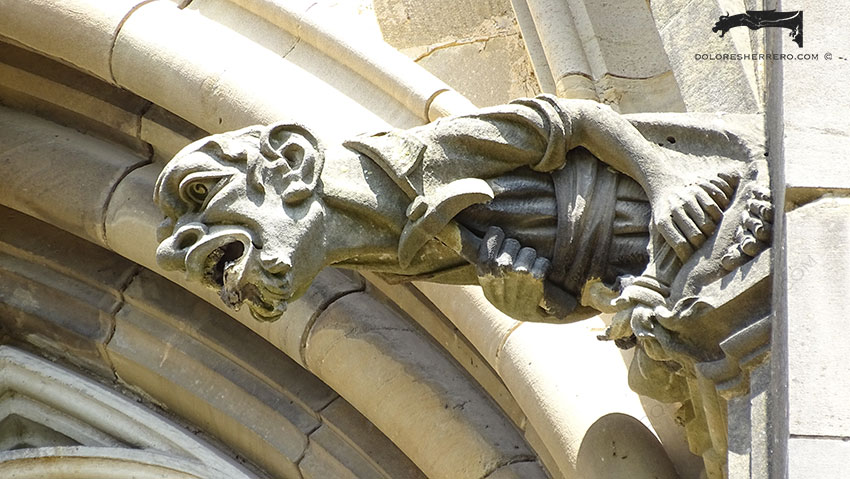
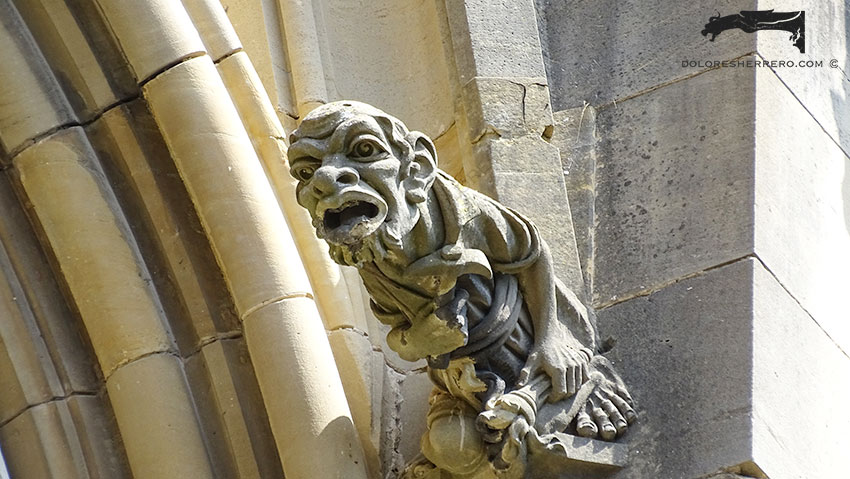
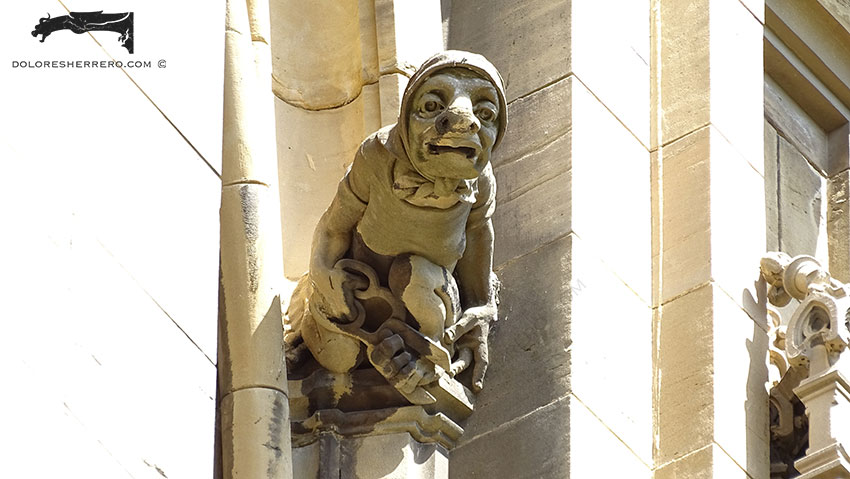
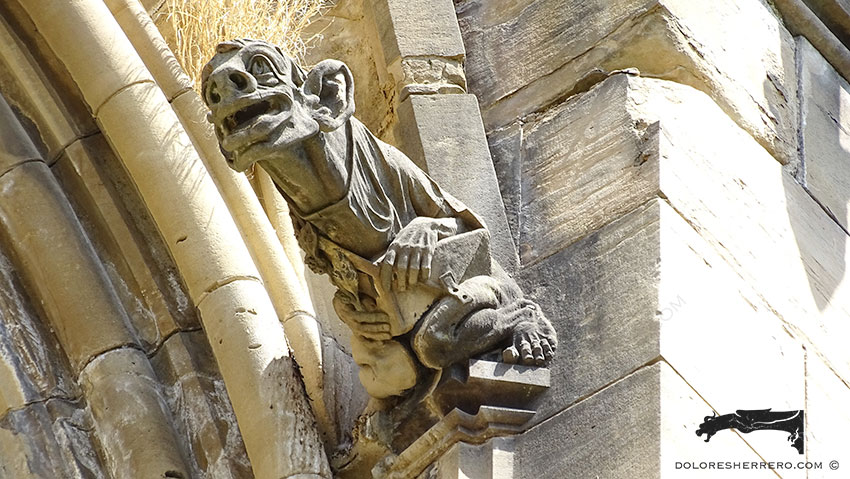
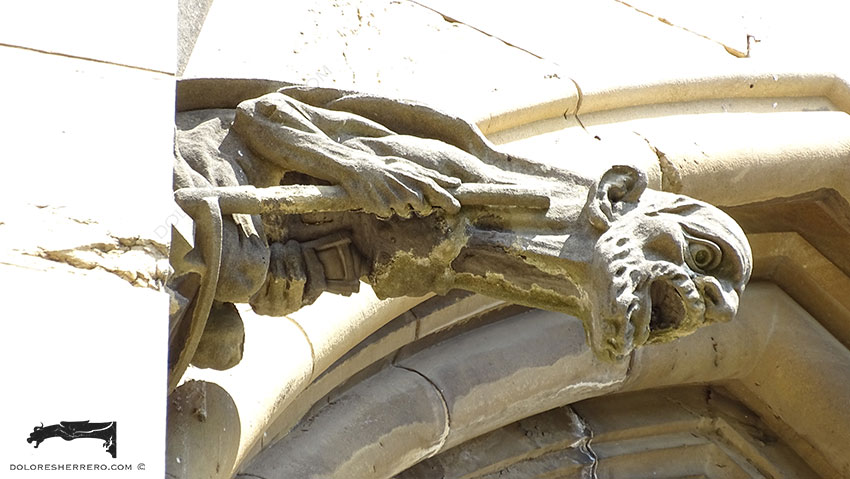
We continue in the beautiful Basque capital of Vitoria-Gasteiz to present the second entry devoted to the gargoyles placed around the Cathedral of María Inmaculada.
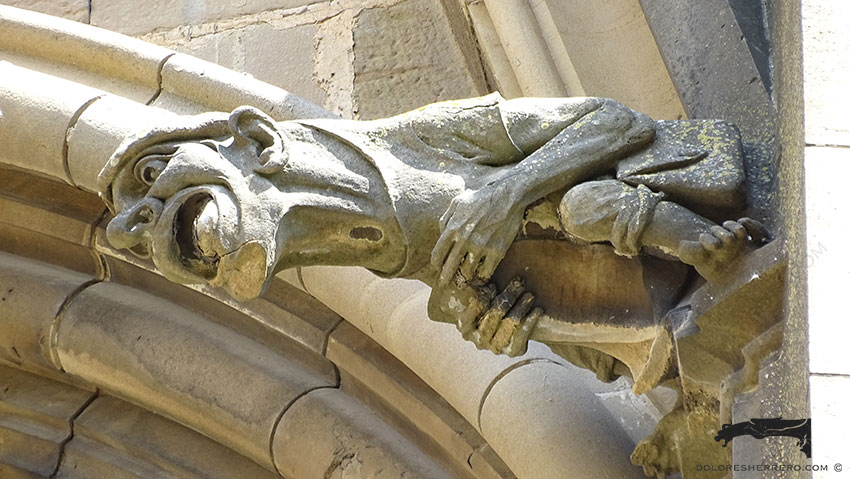
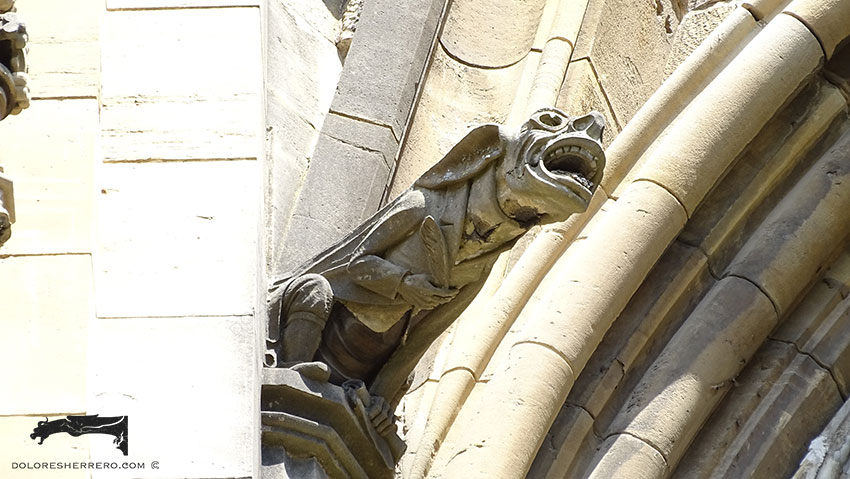
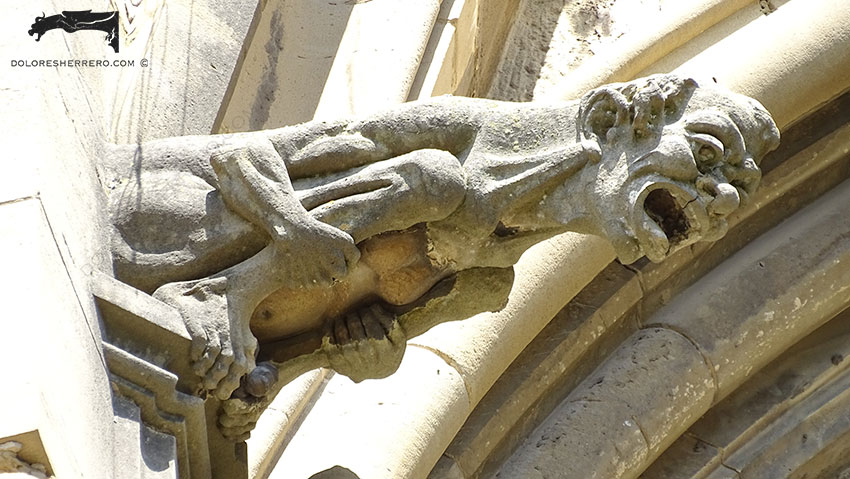
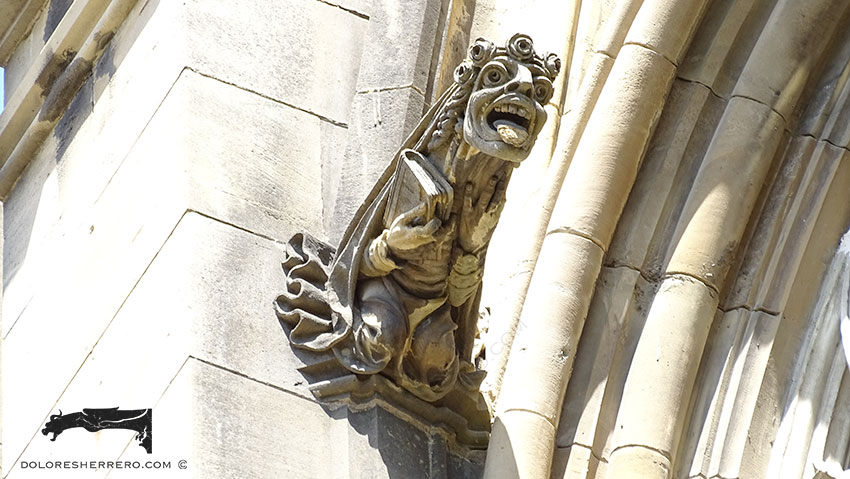
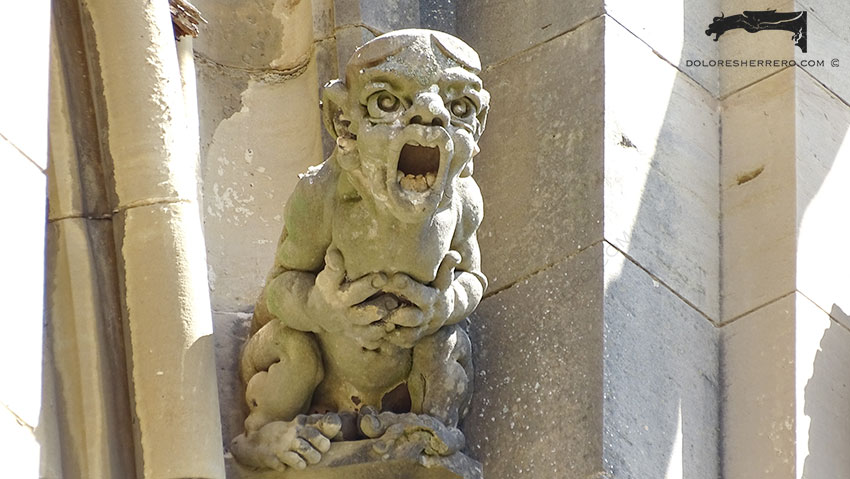
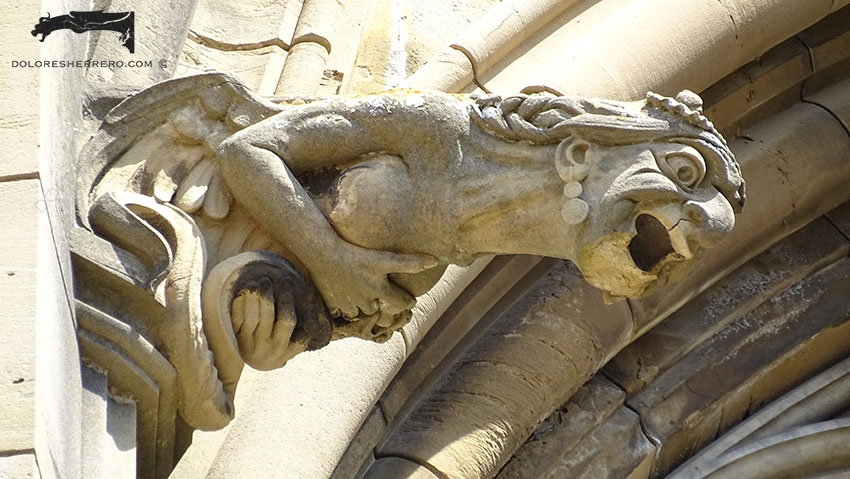
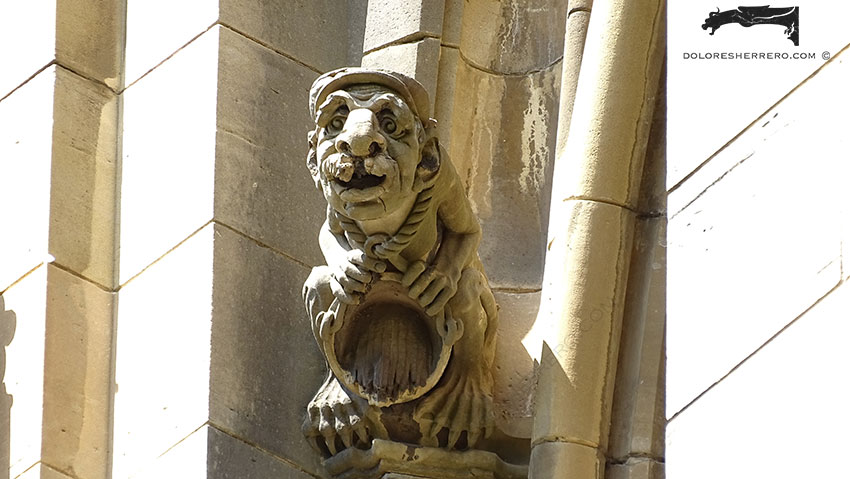
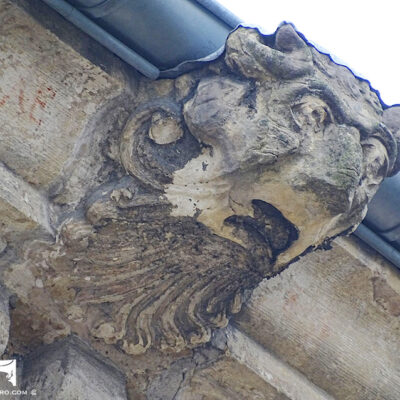
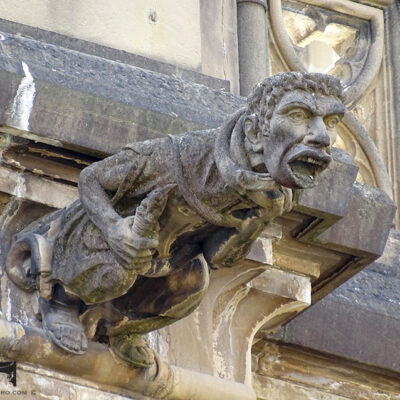
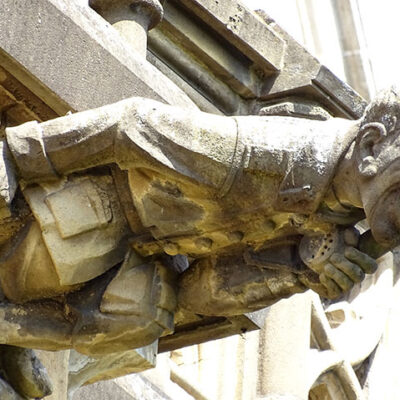
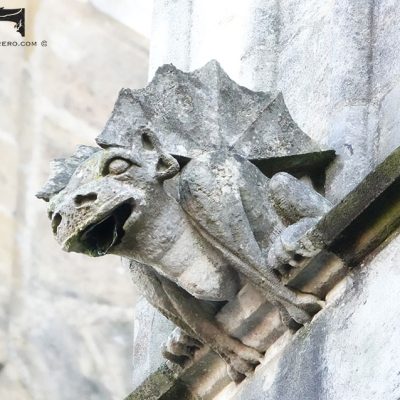
We continue discovering remarkable and highly imaginative gargoyles. Once again, we invite you not to miss the extraordinary ensemble of beings and creatures that surround this building.
The cathedral was built in the Neo-Gothic style (1907–1969) and is known as the New Cathedral in order to distinguish it from the Gothic Cathedral of Santa María (the Old Cathedral).
The gargoyles on the north and south sides of the building were sculpted by Aurelio Rivas between 1964 and 1965.
In this second part on the gargoyles on "Catedral Nueva" we continue to discover and enjoy some surprising and very imaginative gargoyles.
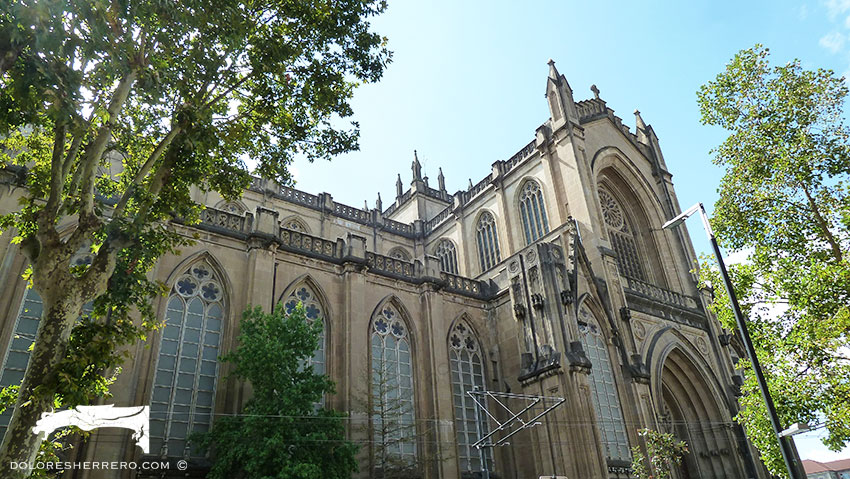

As we did in the first entry, we would like to express our sincere gratitude for the information and collaboration provided by two individuals who were fundamental to the study of the cathedral’s gargoyles: José Ramón Martínez de Muguía, a distinguished scholar of the cathedral and its gargoyles, and Iñaki Apraiz Buesa, son of Miguel Apraiz Barreiro, the architect in charge of the works and designer of the gargoyles, who, after the Spanish Civil War, from 1946 onwards, directed the works and carried out the new projects until their completion.
The execution of the gargoyles was divided into two phases: the first, from 1907 to 1913, and the second extending until 1969. They were carved in sandstone from Pitillas (Navarre). Those on the northern and southern sides were executed by Aurelio Rivas between 1964 and 1965. Aurelio Rivas (d. 2020) was a professor of sculpture at the School of Arts and Crafts.
The gargoyles display exceptional formal and thematic richness and beauty. Each one reflects a history and a project conceived for future research, as we already noted in the first entry.
The iconography of many of them is related to Miguel Apraiz’s personal experience during the Spanish Civil War. In addition, a wide range of monsters, fantastic beings, and demons are represented.
The grotesques or chimeras also form a remarkable ensemble, both in carving and in thematic imagination.
We now present the remainder of this extraordinary repertoire of gargoyles and grotesques, a jewel that forms part of the valuable artistic heritage of the Basque Country.
Gargoyles of the Cathedral of María Inmaculada
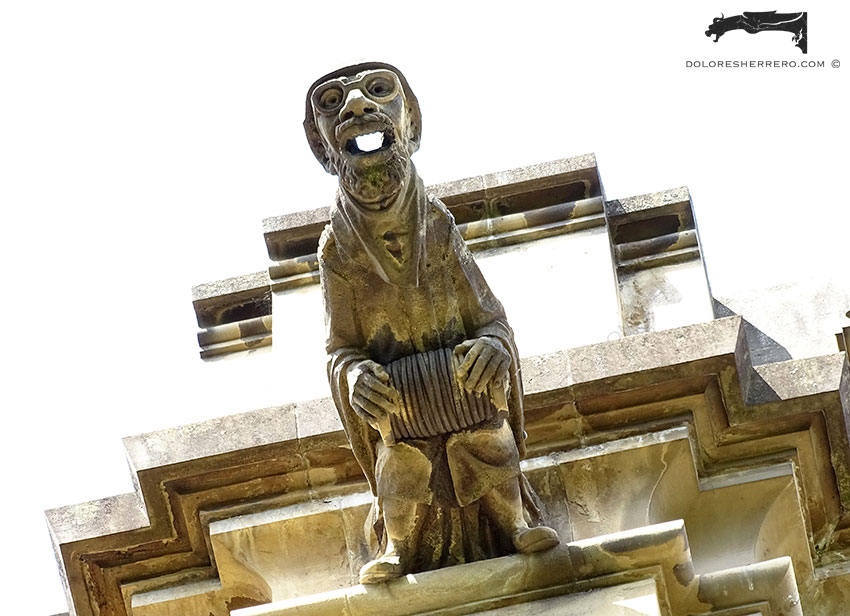
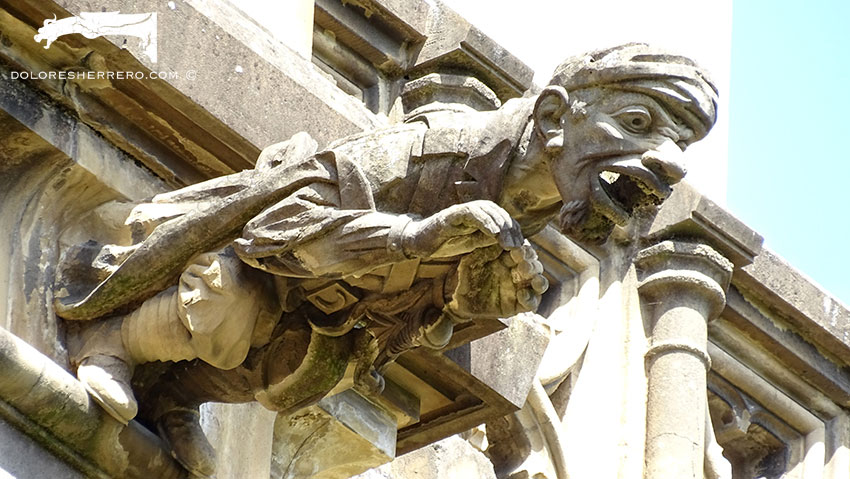
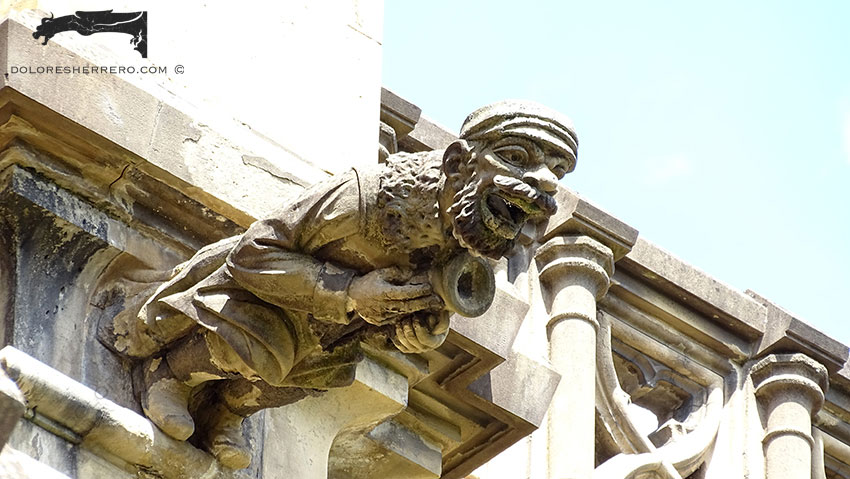
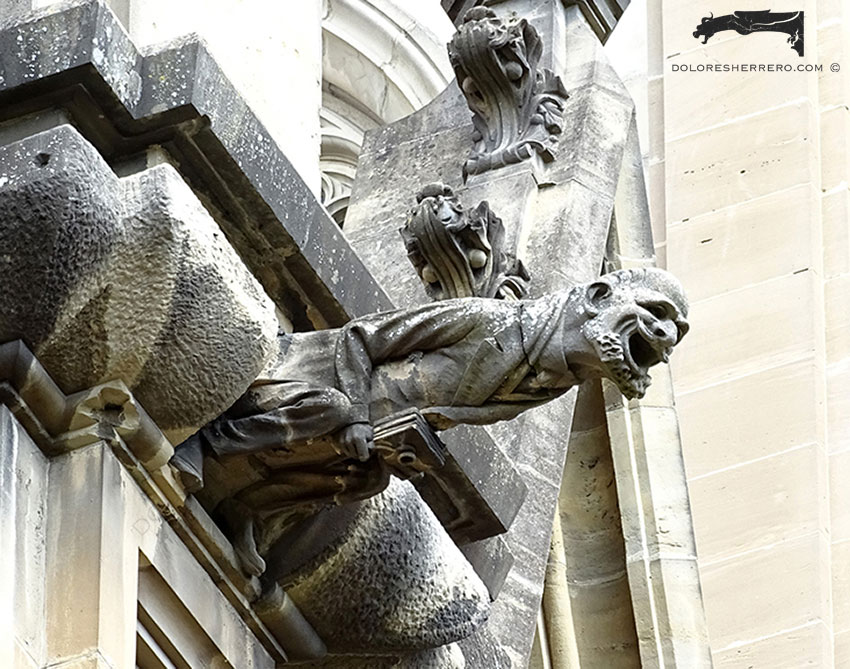
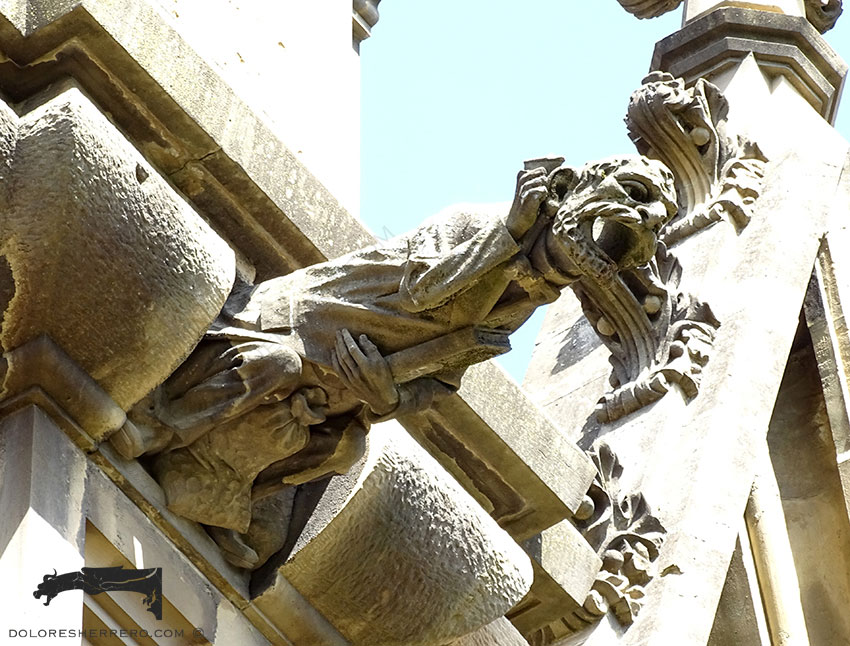
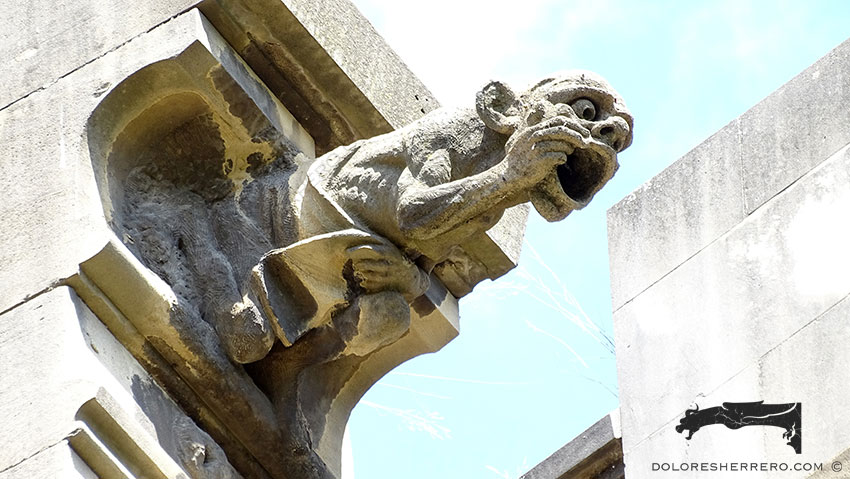
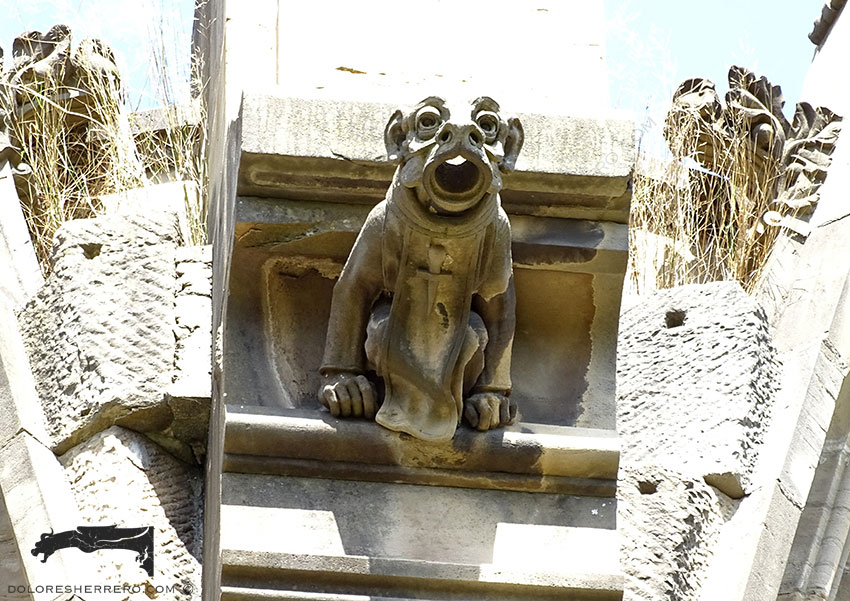
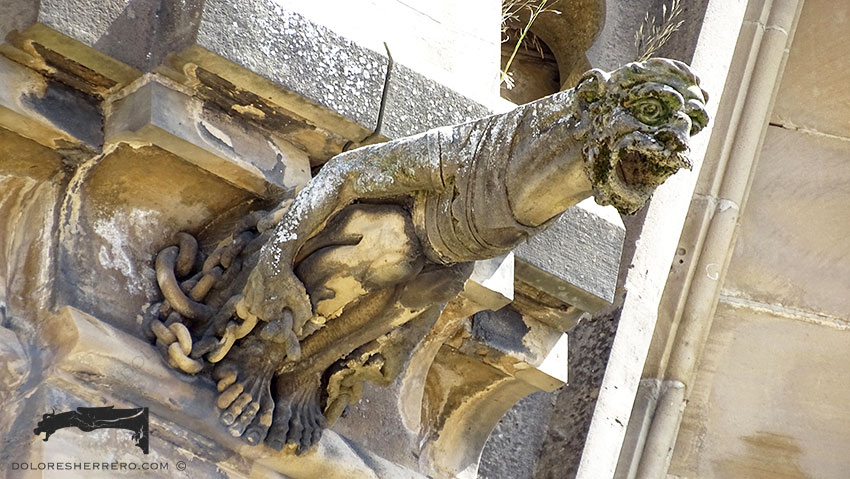
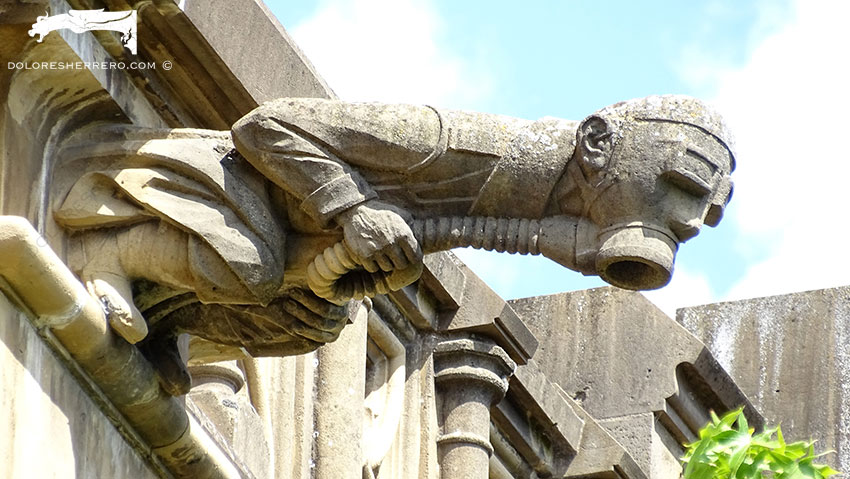
Grotesques or Chimeras
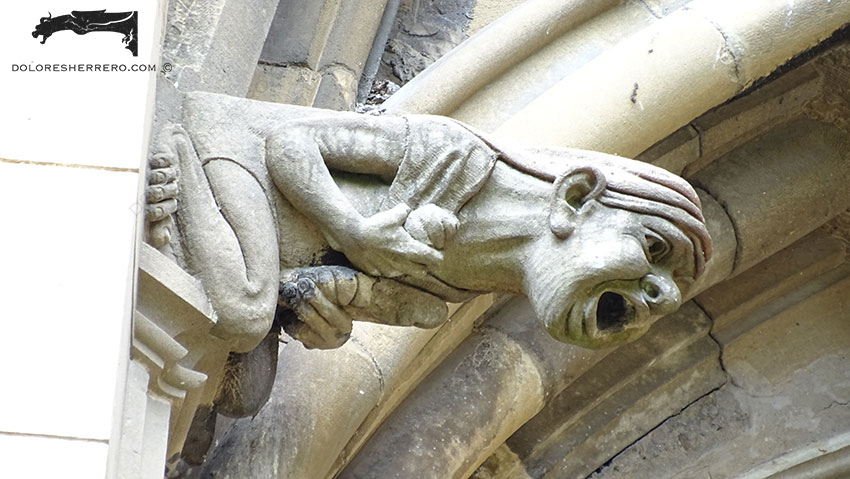
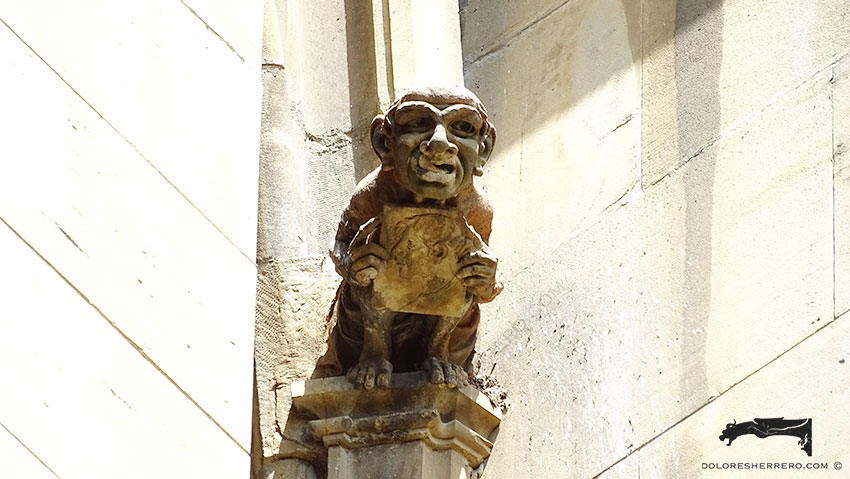


This entry was originally published in February 2019 and updated in March 2026.
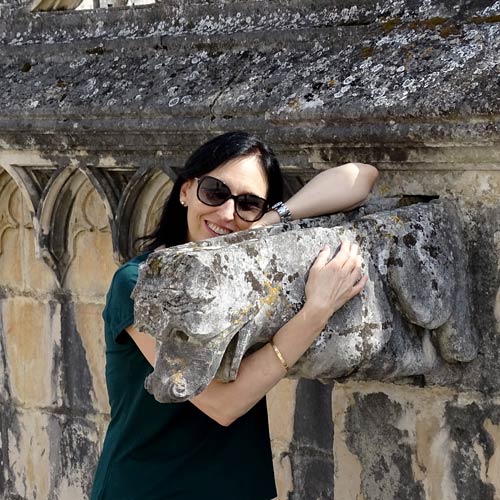
Doctor of Art History and researcher specializing in the study of gargoyles.
I am Dolores Herrero Ferrio, and my thesis, “An Approach to the Study of Gargoyles of Gothic Cathedrals in Castilla and León”, is dedicated to the study of these fascinating figures.
If you like gargoyles and art history, you will also enjoy my book, “The Gargoyle and Its Iconography,” a book I have written with great care for those interested in the world of gargoyles.
I have created my own Encyclopedia of Gargoyles, a Gargopedia to share with you, where you will discover all the secrets and wonders of these enigmatic sculptures.
I hope you enjoy this Gargopedia as much as I have enjoyed creating it, and remember that each gargoyle has a story to tell, and here you will discover them all.
 Gargoyles of the National Library of Luxembourg
 Gargoyles of the Cathedral of María Inmaculada in Vitoria (Spain): Part One
 Gárgolas de la Catedral de María Inmaculada de Vitoria (Álava): Parte IIGárgolas de la Catedral de María Inmaculada de Vitoria (Álava): Parte I
 Gargoyles and the Representation of the Devil: Part Two