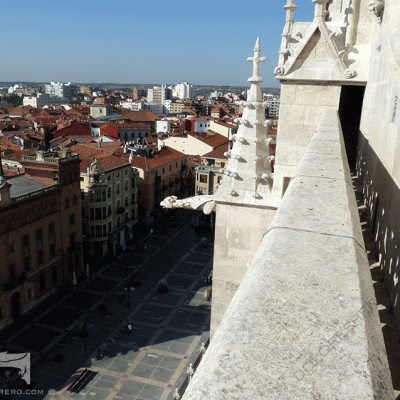
Many buildings feature gargoyles accompanied by small creatures. In this article, we explore these diminutive companions and present an outstanding example of this iconographic motif in the beautiful French city of Narbonne.
Small Companion Figures on Gargoyles
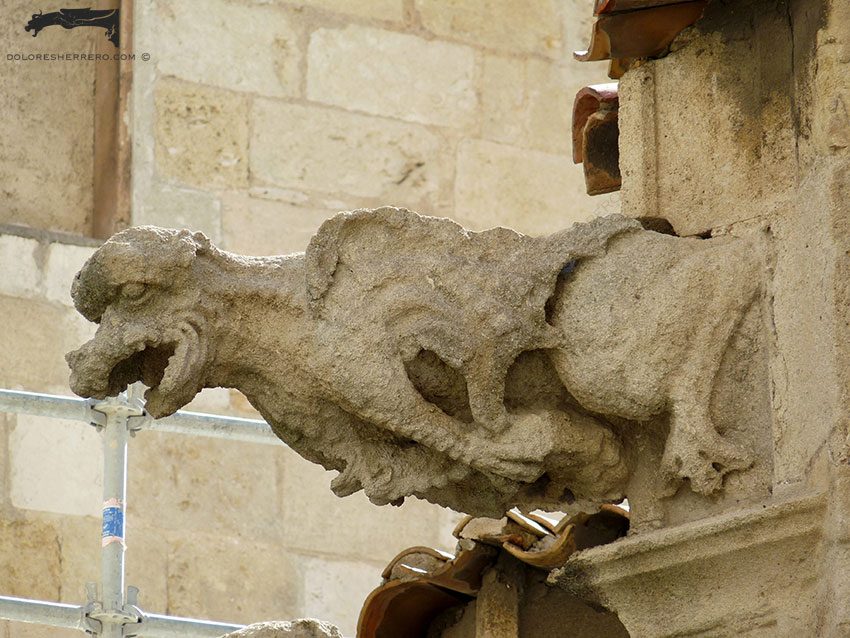
Gargoyles are often accompanied by smaller figures positioned beneath the principal figure and depicted in a variety of attitudes: suckling, being trampled underfoot, held in the gargoyle's grasp, or displaying mocking and playful gestures. In general, these dynamic secondary figures enrich the gargoyle's composition and introduce an engaging narrative element.
Some gargoyles depict animals or monsters together with their offspring, occasionally shown while nursing or feeding them.
-
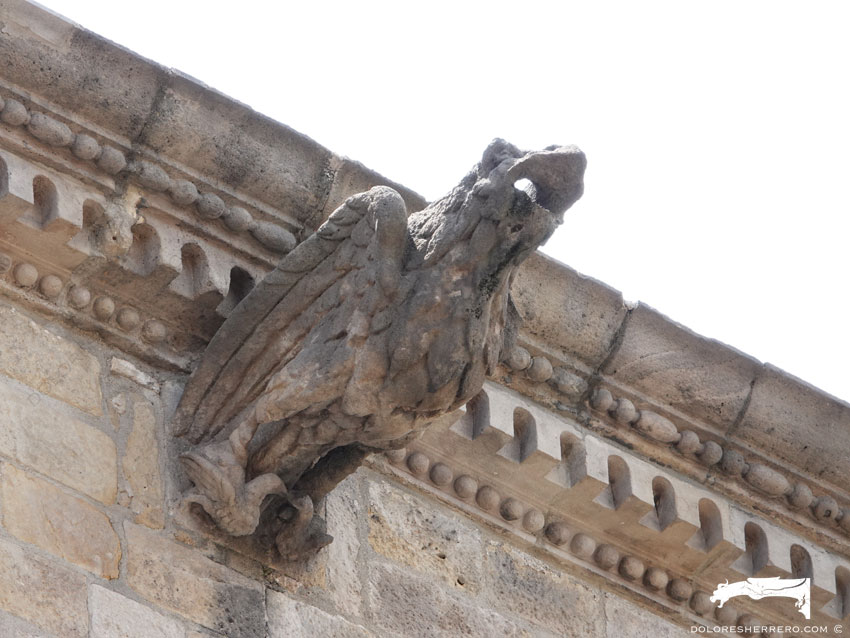
- Archive of the Crown of Aragon (Barcelona, Spain)
-
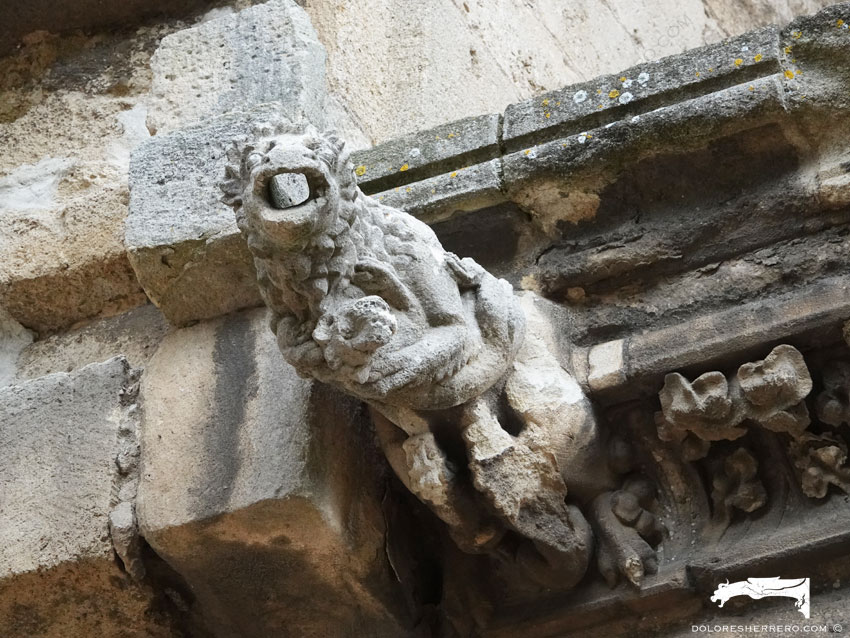
- Béziers Cathedral (France)
-
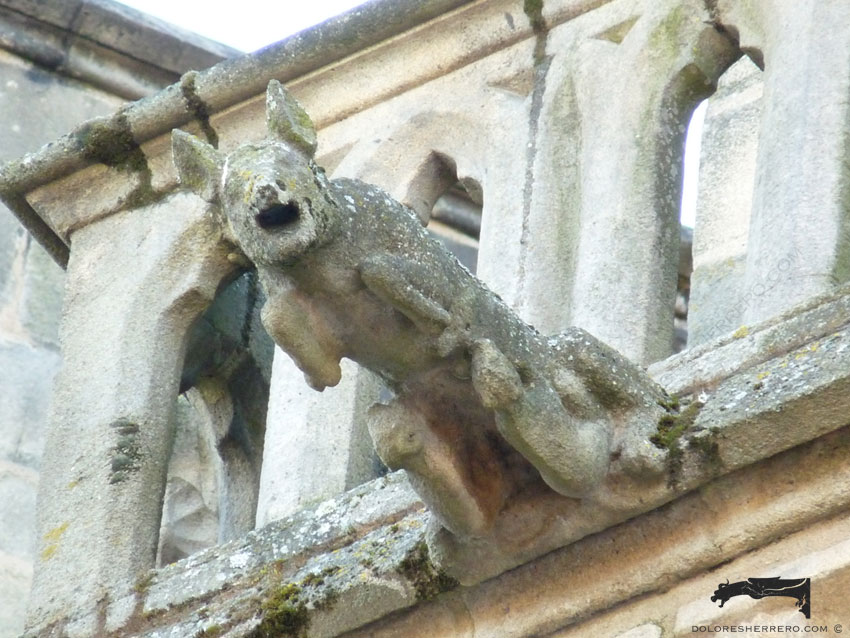
- Limoges Cathedral (France)
-
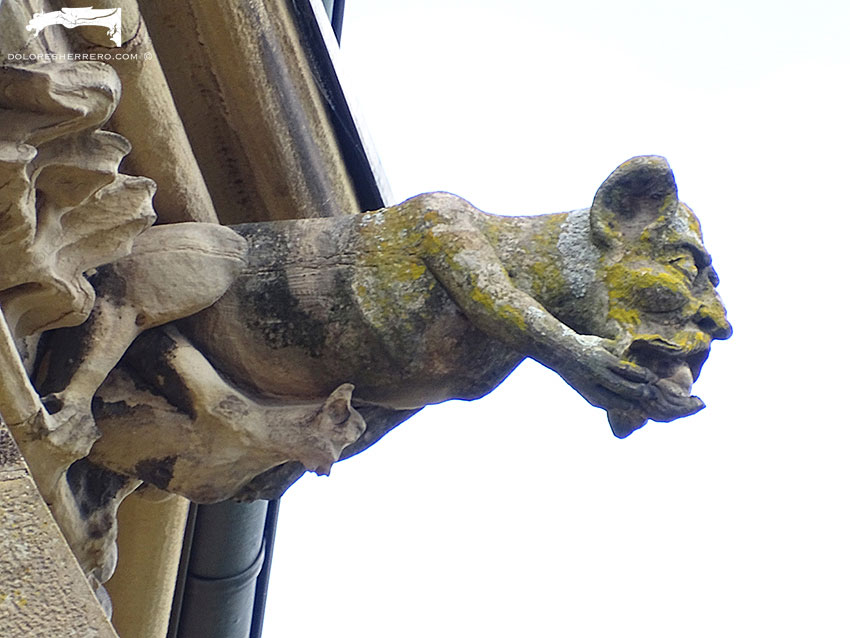
- Church of Our Lady in Trier (Germany)
-
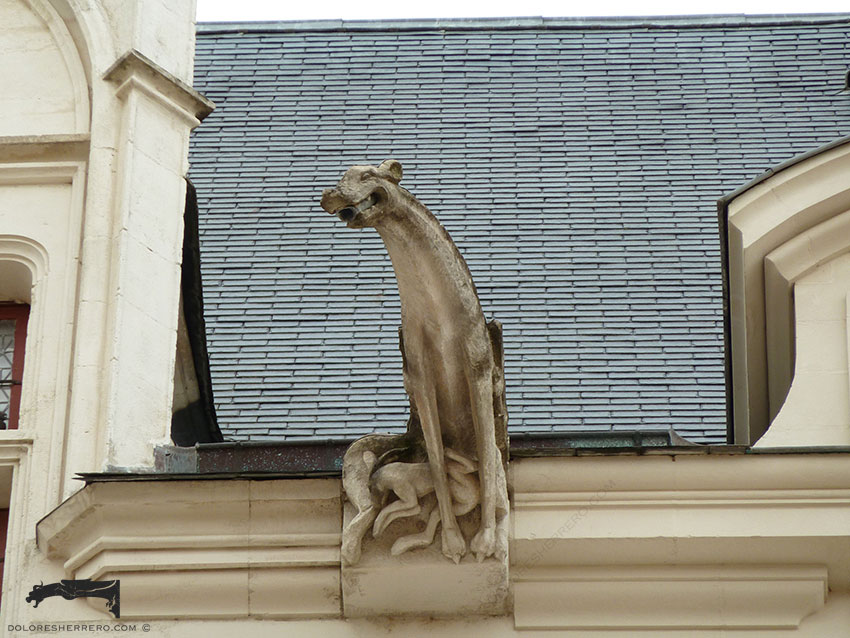
- Castle of the Dukes of Brittany in Nantes (France)
-
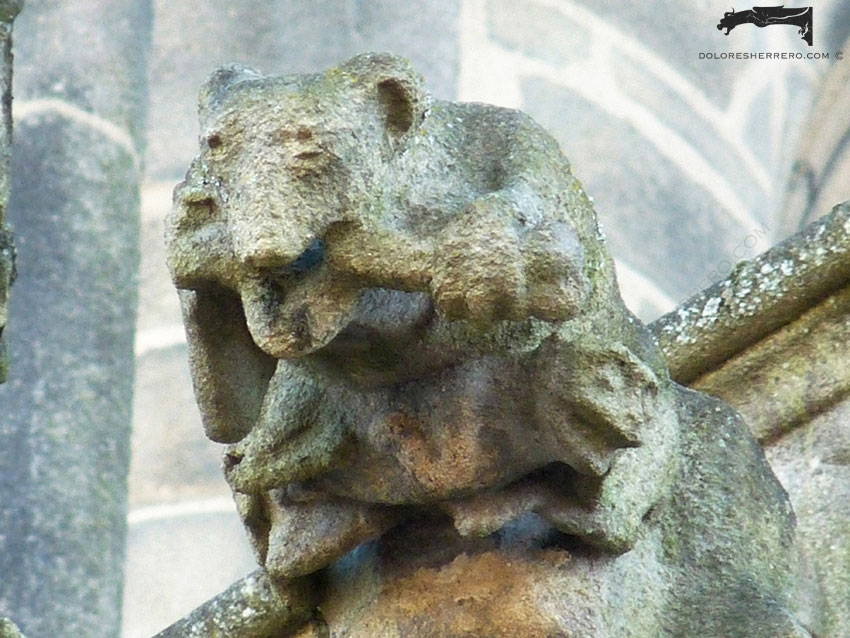
- Limoges Cathedral (France)
However, when the principal figure has a more overtly demonic character, these small companions acquire a distinctly diabolical meaning and, in some cases, may even be interpreted as the offspring of demons. In general, they carry negative and malevolent connotations, both through their gestures and attitudes and through the position they occupy, as they are typically placed on the lower, baser parts of the gargoyle's body. In his study of the gastocephali, Burbank Bridaham argues that the head positioned on the abdomen may express the idea that the centre of thought has descended to the lower regions of the body, thereby attributing a negative connotation to these figures. Their placement on the lower part of the body and its symbolic implications may likewise be associated with the meaning of these malevolent little creatures.
-
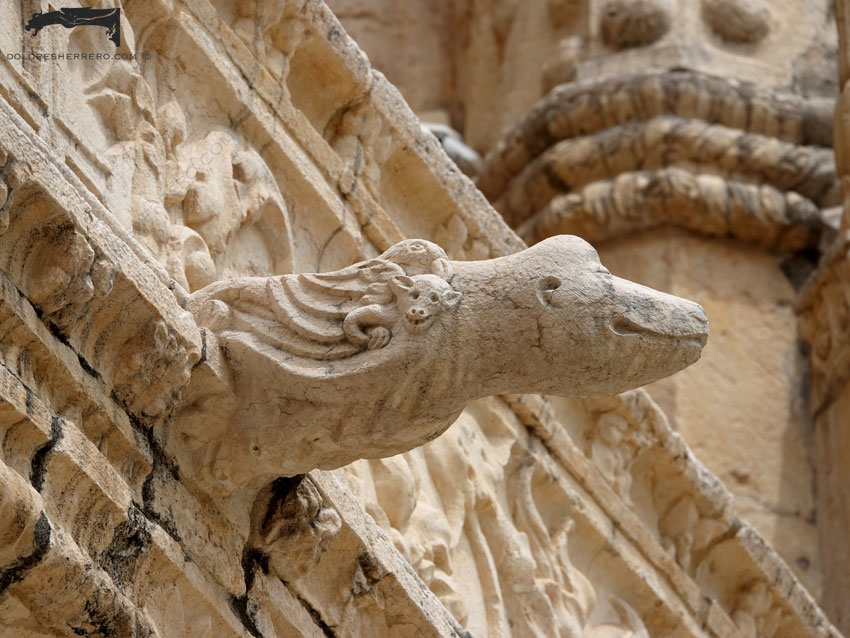
- Grotesque. Jerónimos Monastery in Lisbon (Portugal)
-
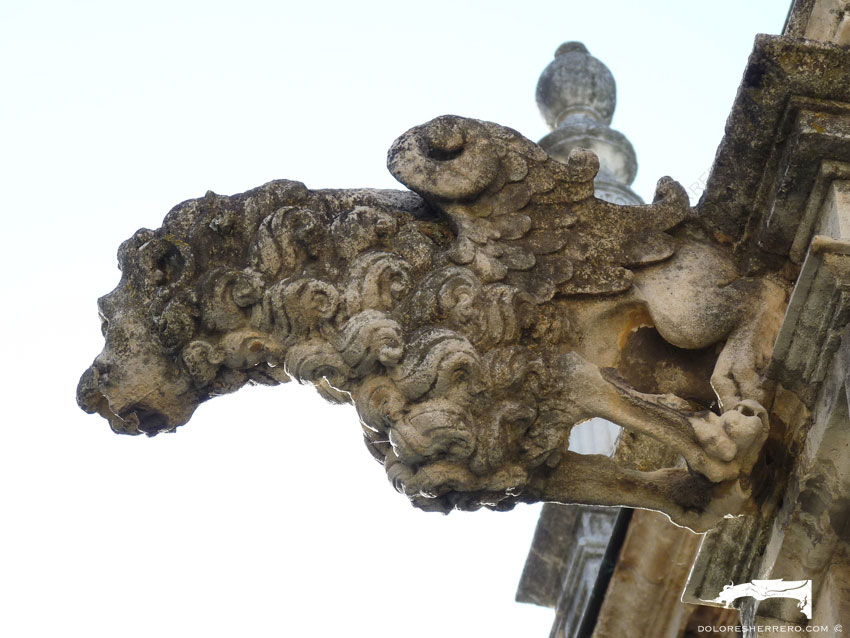
- León Cathedral (Spain)
-
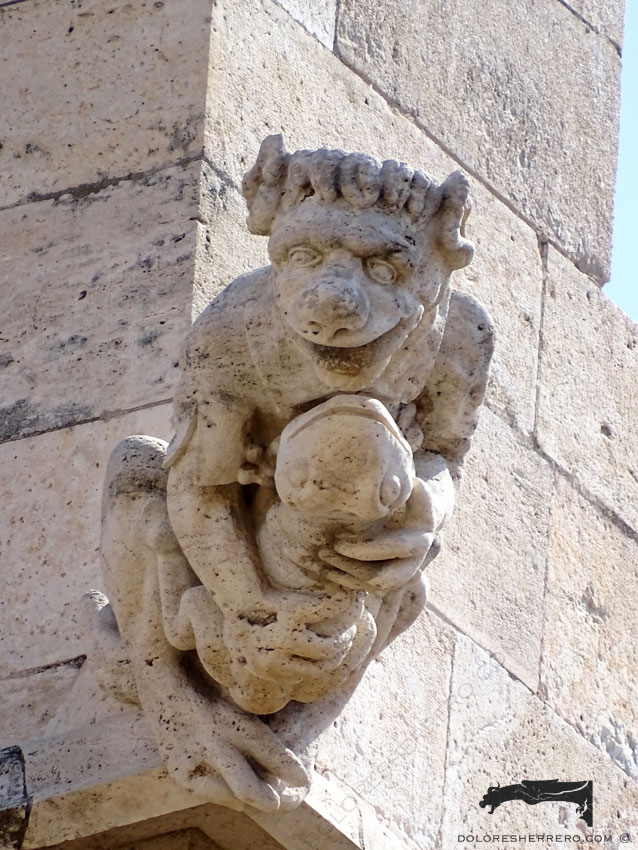
- Valencia Lonja (Spain)
-
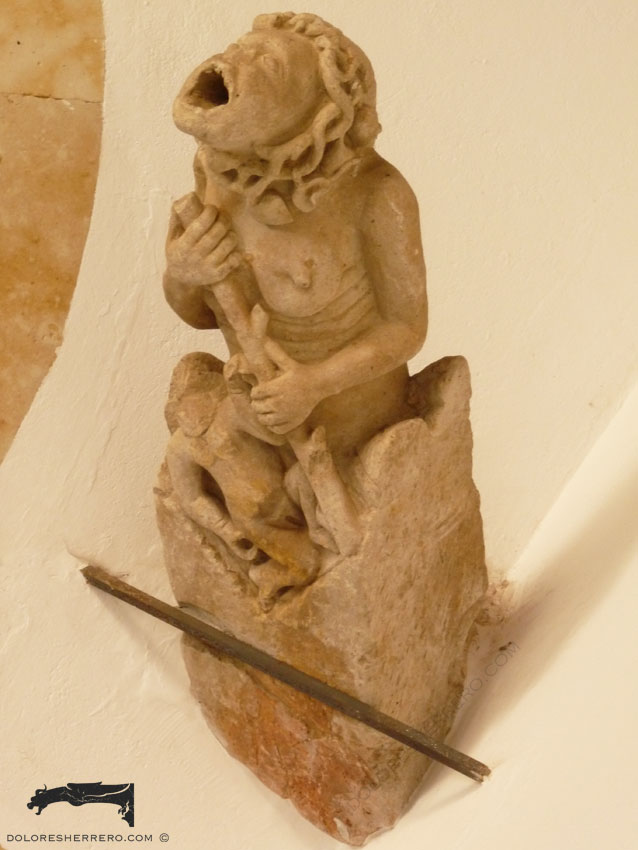
- Provincial Museum of Salamanca (Spain)
-
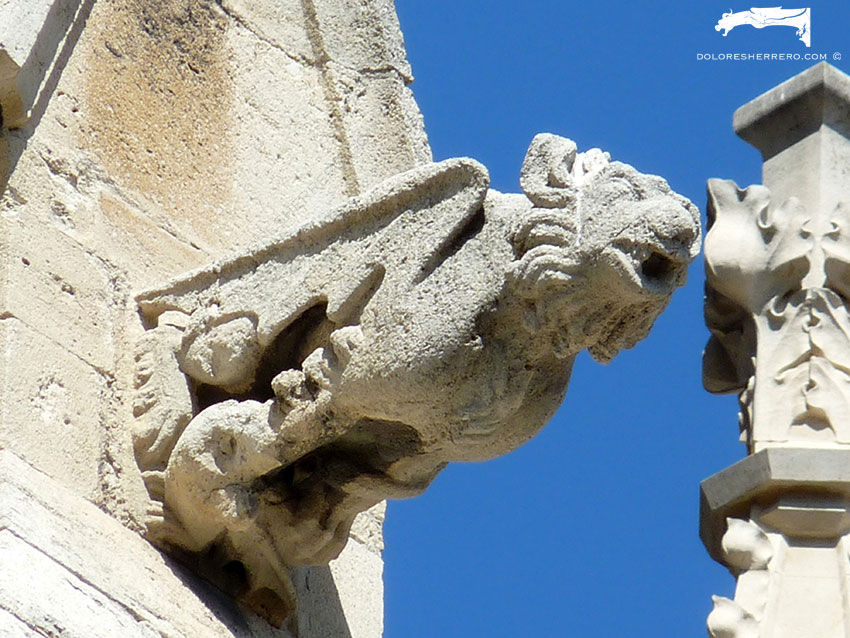
- Narbonne Cathedral (France)
-
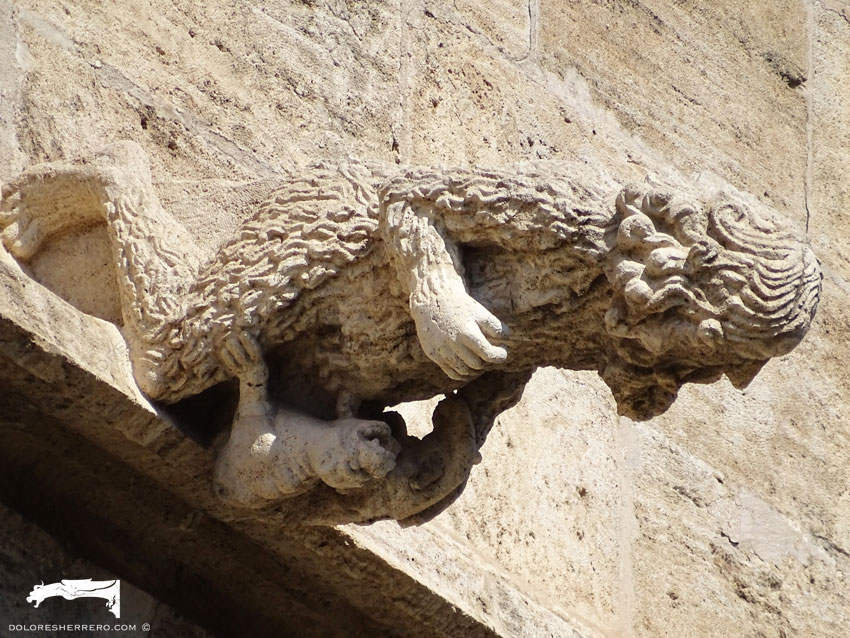
- Valencia Lonja (Spain)
-
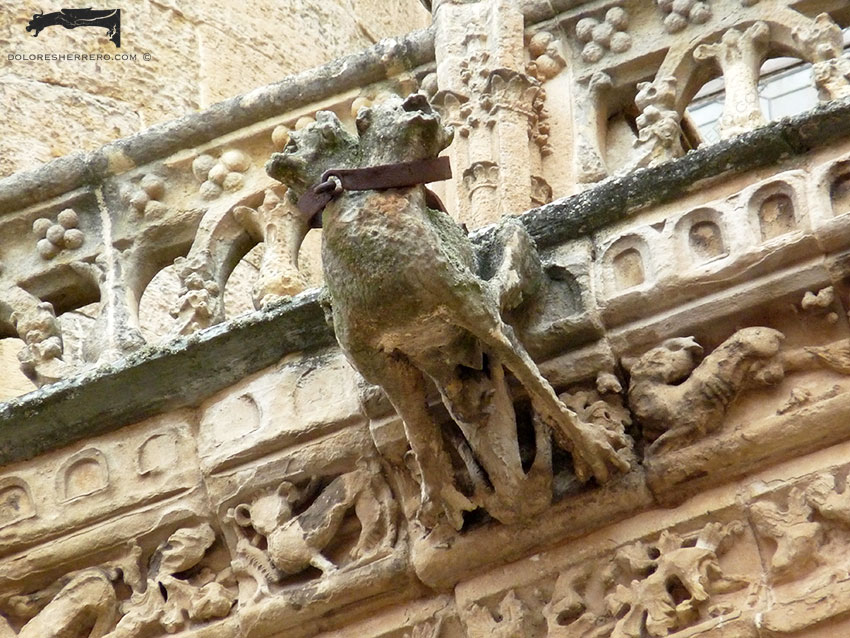
- New Cathedral of Salamanca (Spain)
-
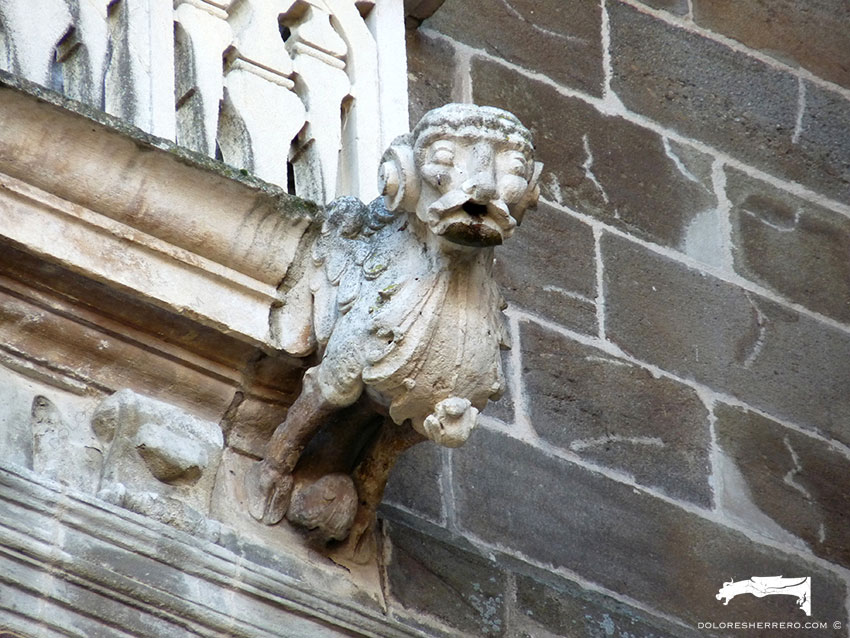
- Astorga Cathedral (Spain)
-
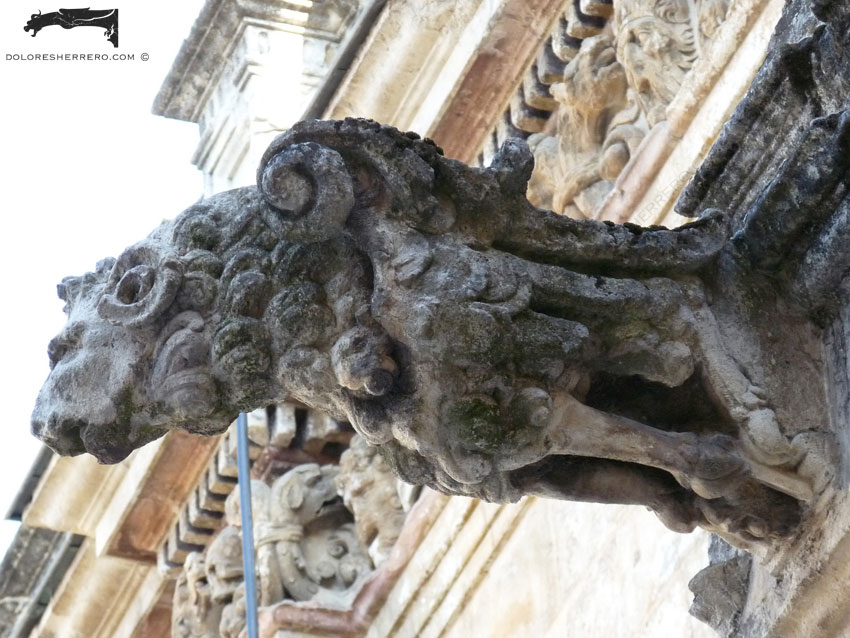
- León Cathedral (Spain)
-
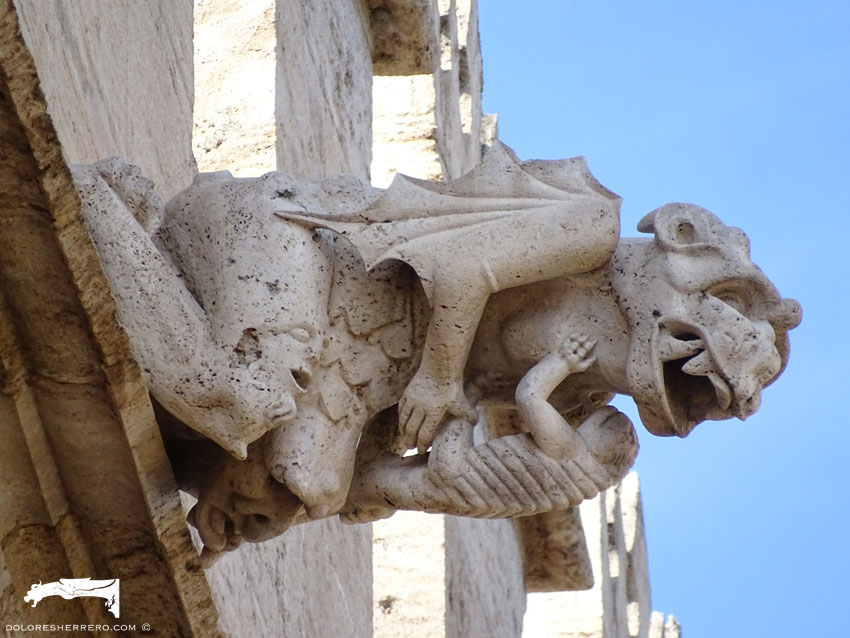
- Valencia Lonja (Spain)
In other instances, gargoyles with religious iconography depict figures associated with good triumphing over small demons that symbolise evil, representing the struggle between the two forces, or, although less frequently, the reverse situation.
-
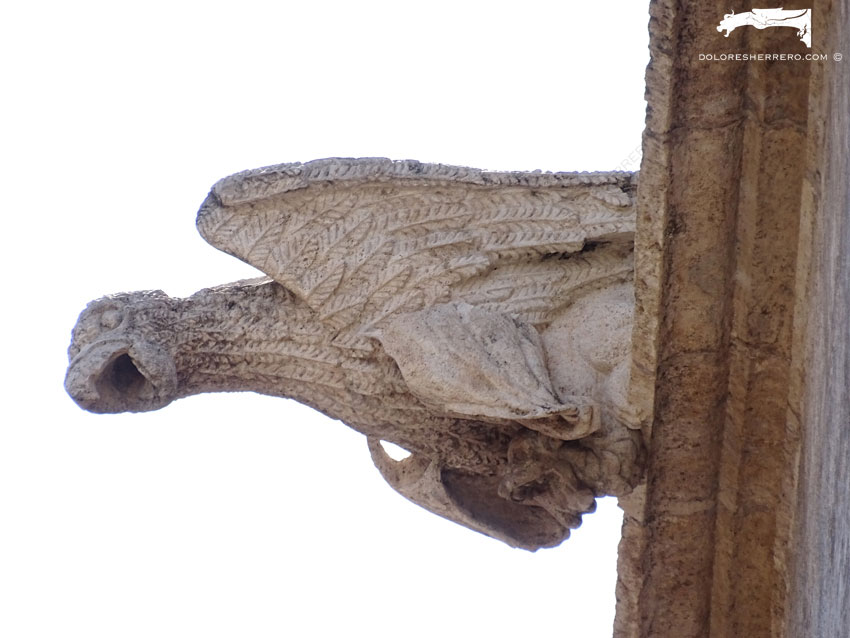
- Valencia Lonja (Spain)
-
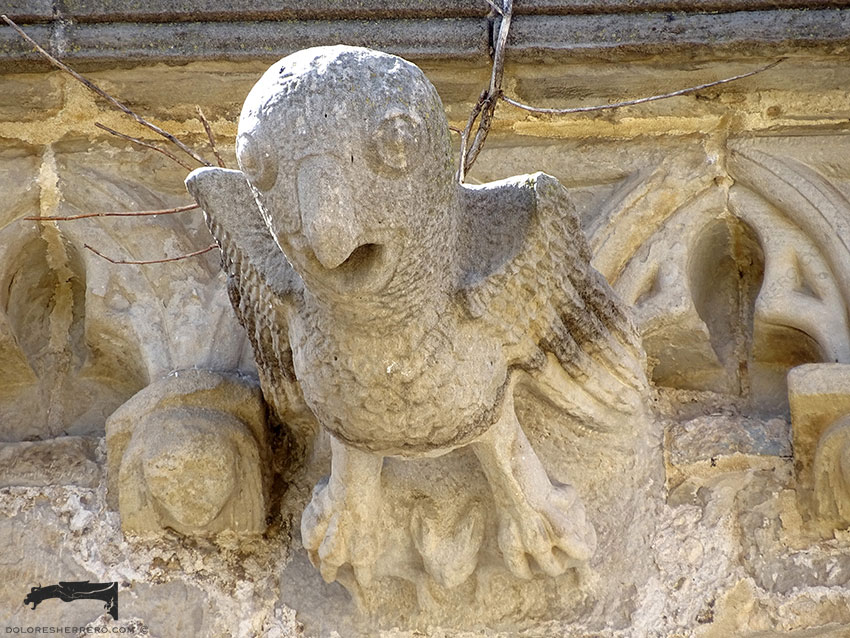
- Church of Santa María la Mayor in Valderrobres (Teruel, Spain)
-
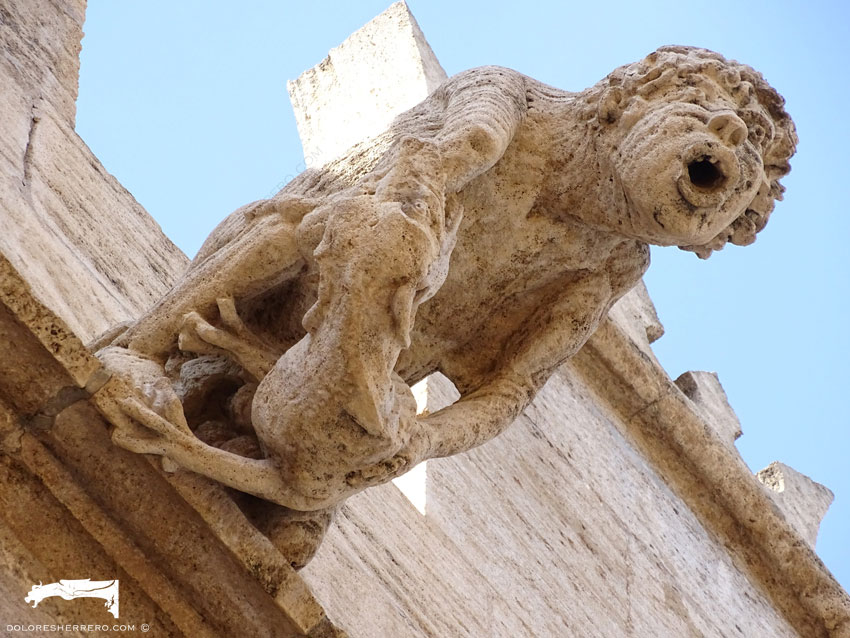
- Valencia Lonja (Spain)
-
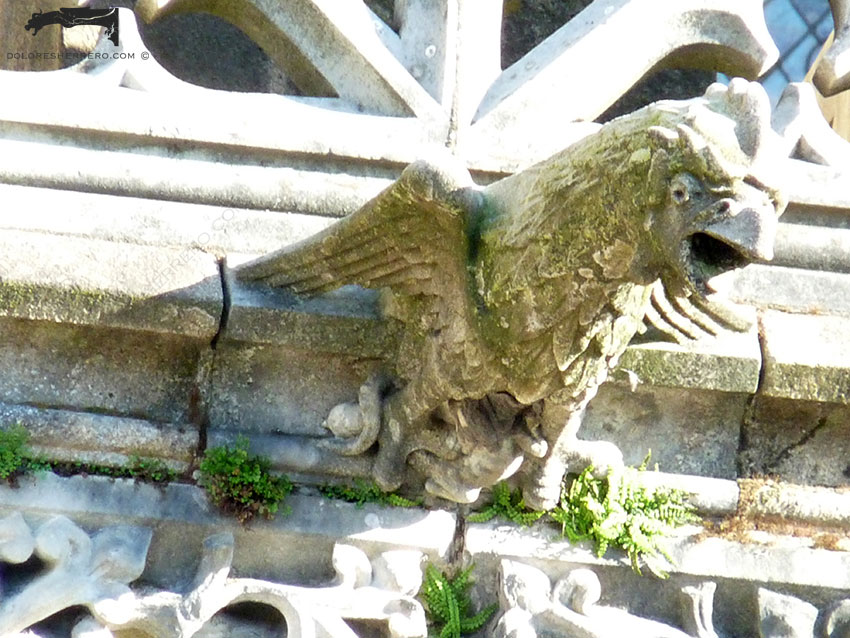
- Limoges Cathedral (France)
-
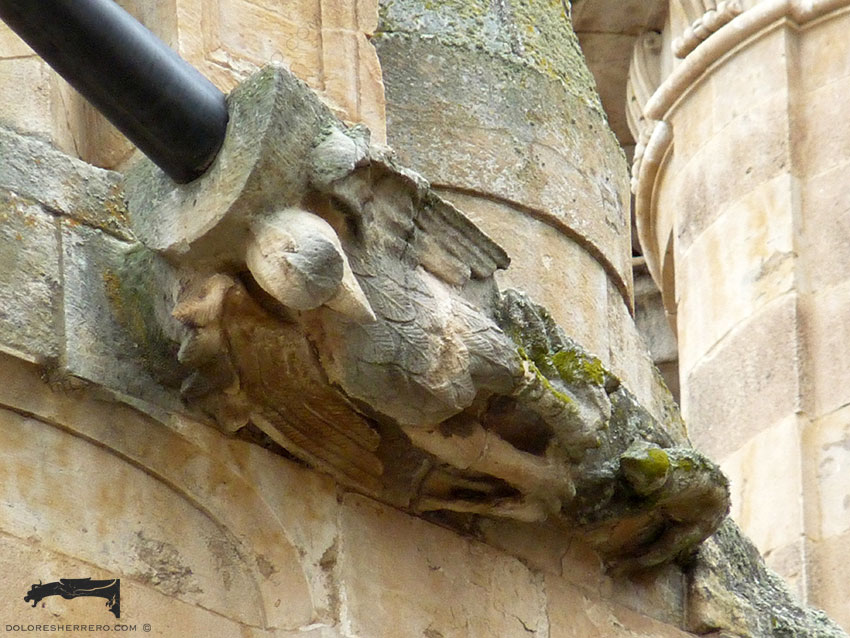
- New Cathedral of Salamanca (Spain)
-
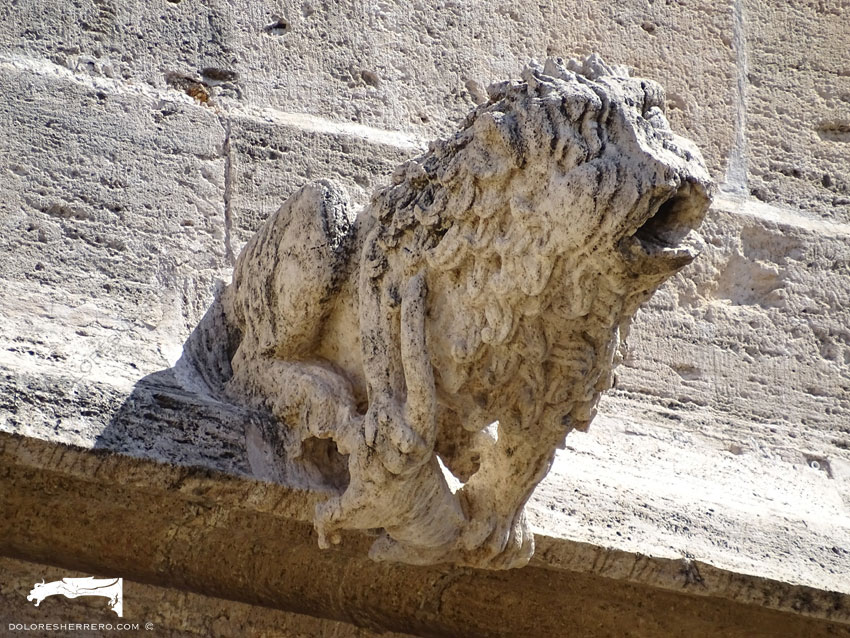
- Valencia Lonja (Spain)
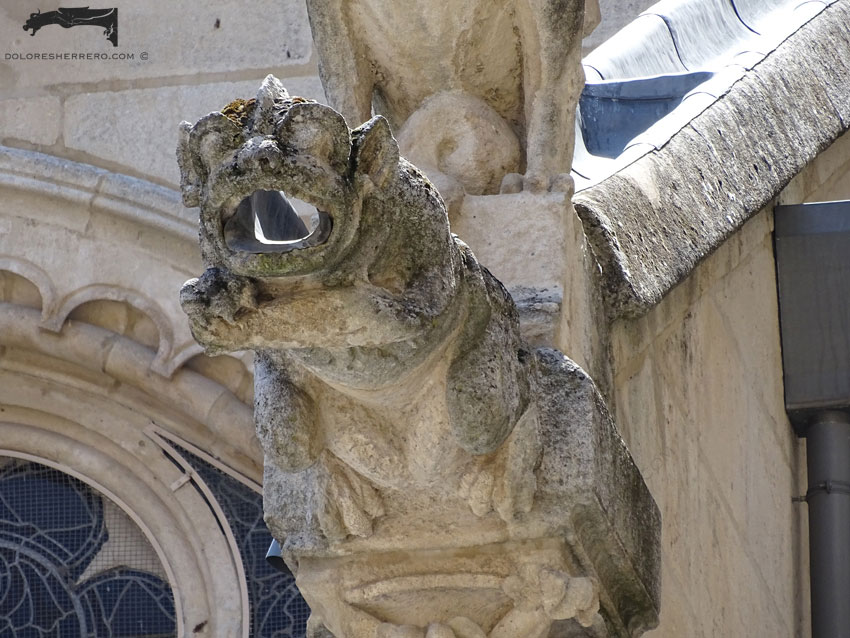
The Gargoyles of the Cloister of Narbonne Cathedral
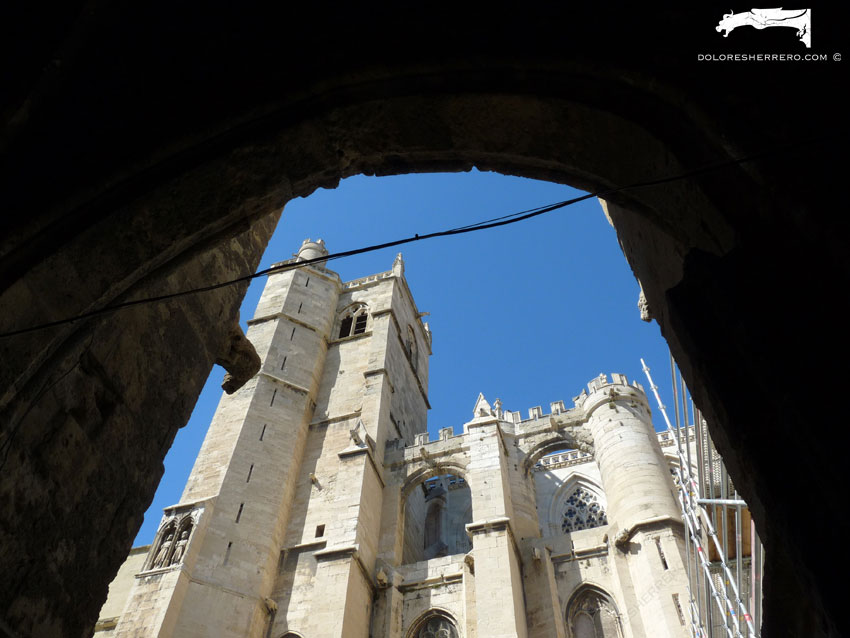
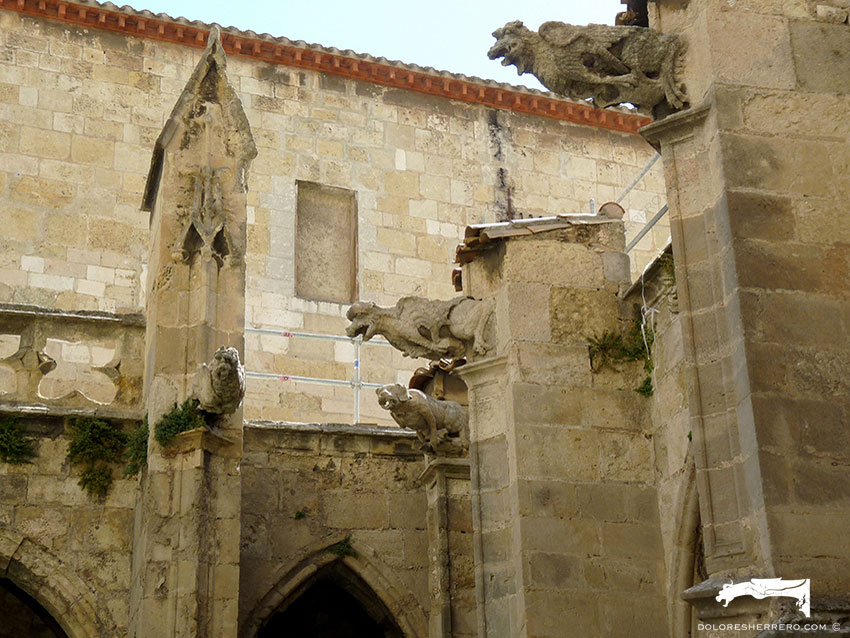
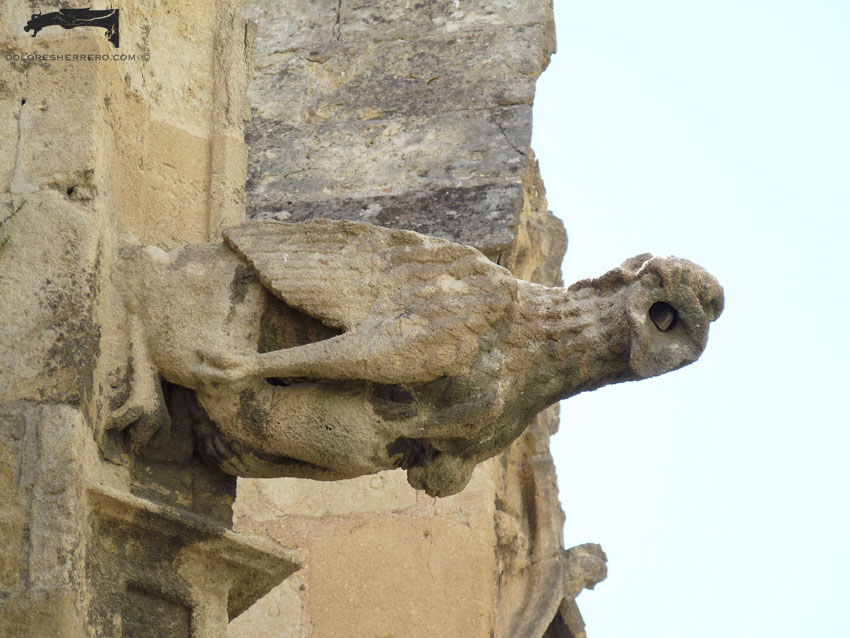
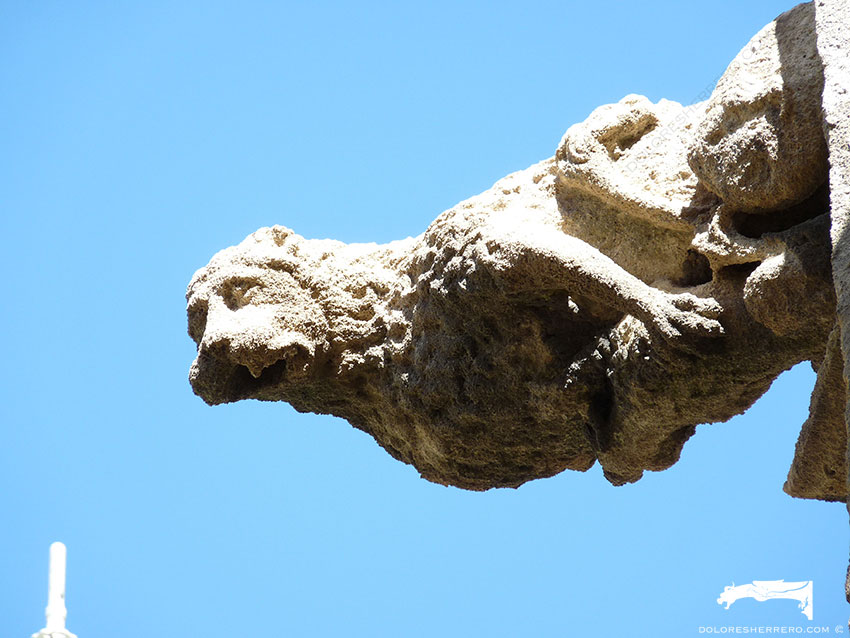
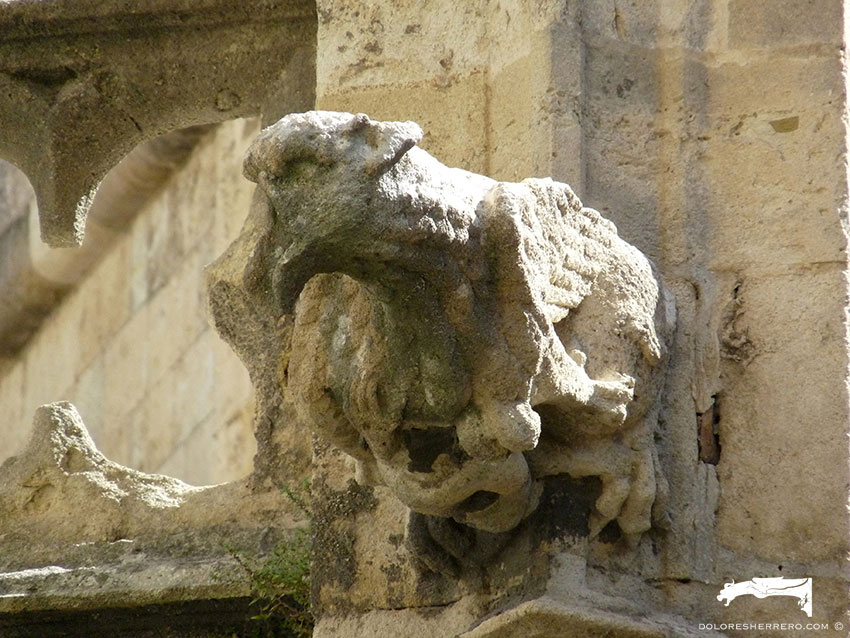
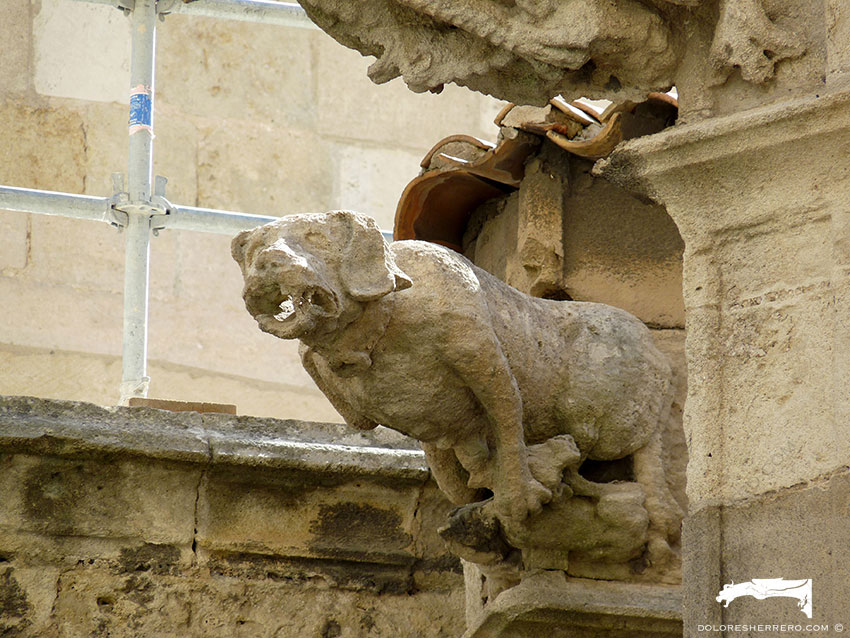
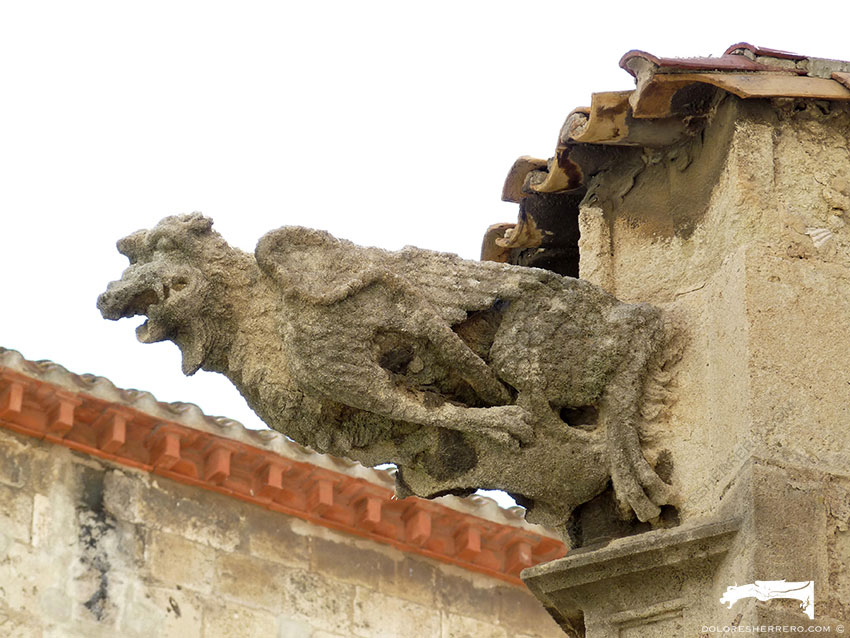
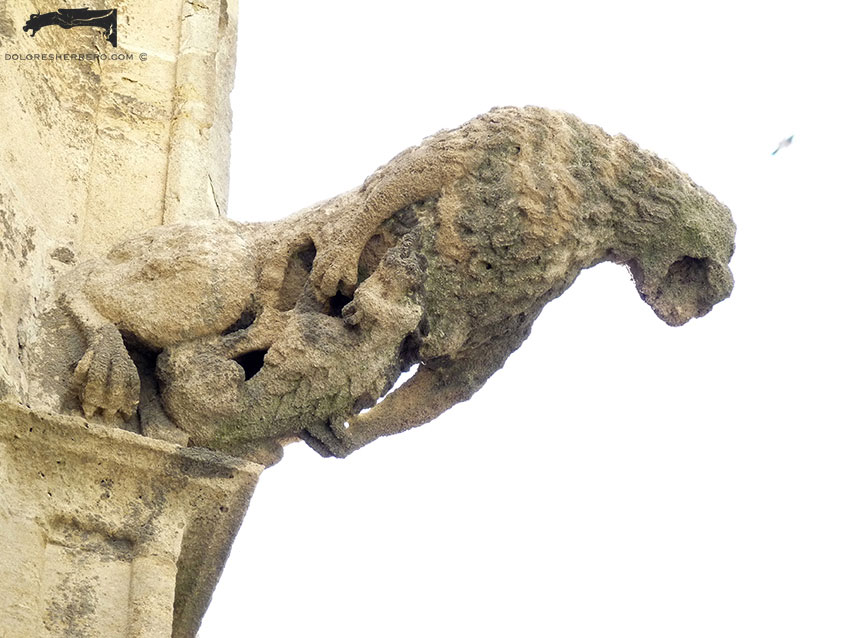
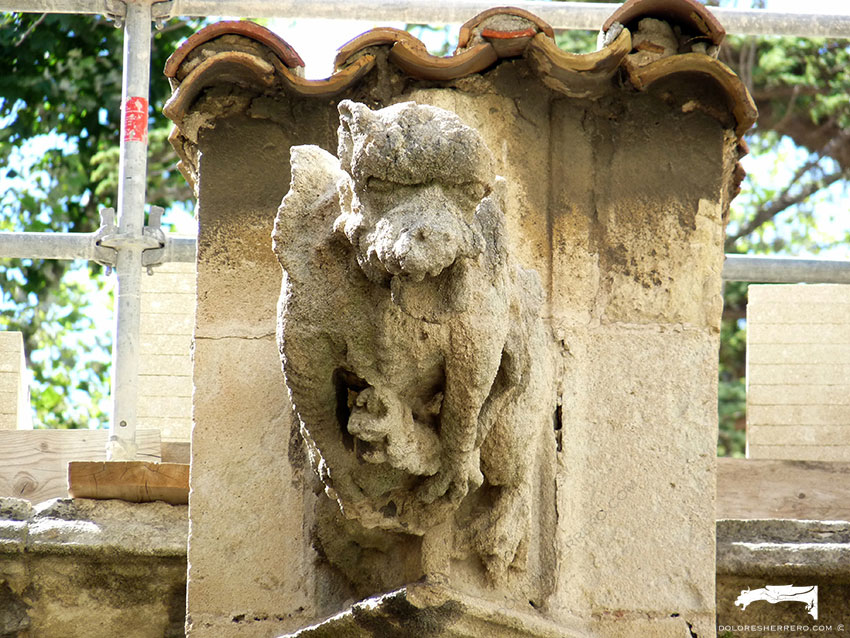
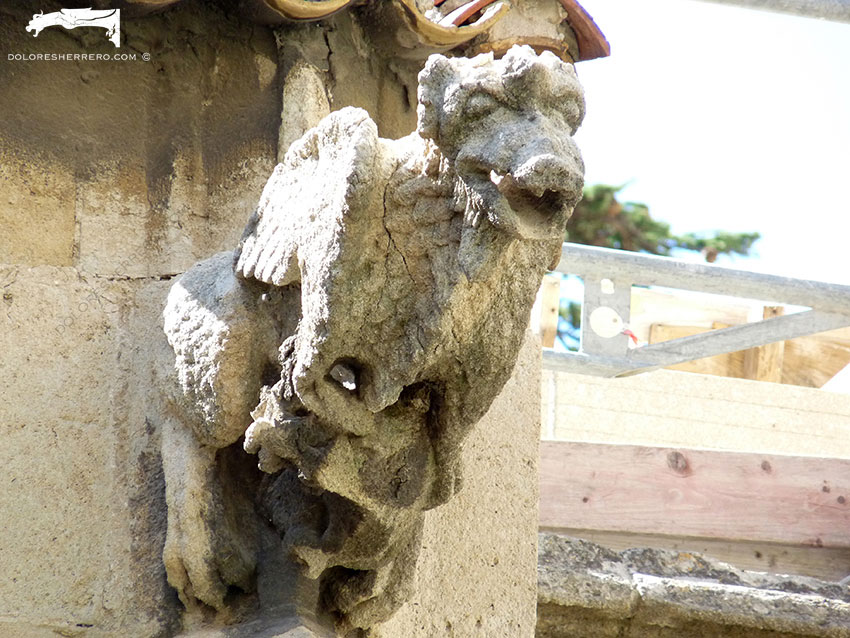
As mentioned at the beginning of this article, we would like to highlight an exceptional group of gargoyles that we discovered during a visit to Narbonne (France), specifically those decorating the cloister of the Gothic Cathedral of Saint-Just and Saint-Pasteur, all of them remarkable examples of medieval architectural sculpture.
Bibliography
BURBANK BRIDAHAM, L., The Gargoyle Book. 572 examples from Gothic Architecture, New York, Dover Publications, Inc., 2006.
Doctor of Art History and researcher specializing in the study of gargoyles.
I am Dolores Herrero Ferrio, and my thesis, “An Approach to the Study of Gargoyles of Gothic Cathedrals in Castilla and León”, is dedicated to the study of these fascinating figures.
If you like gargoyles and art history, you will also enjoy my book, “The Gargoyle and Its Iconography,” a book I have written with great care for those interested in the world of gargoyles.
I have created my own Encyclopedia of Gargoyles, a Gargopedia to share with you, where you will discover all the secrets and wonders of these enigmatic sculptures.
I hope you enjoy this Gargopedia as much as I have enjoyed creating it, and remember that each gargoyle has a story to tell, and here you will discover them all.